





 Sunday, 04-10-26








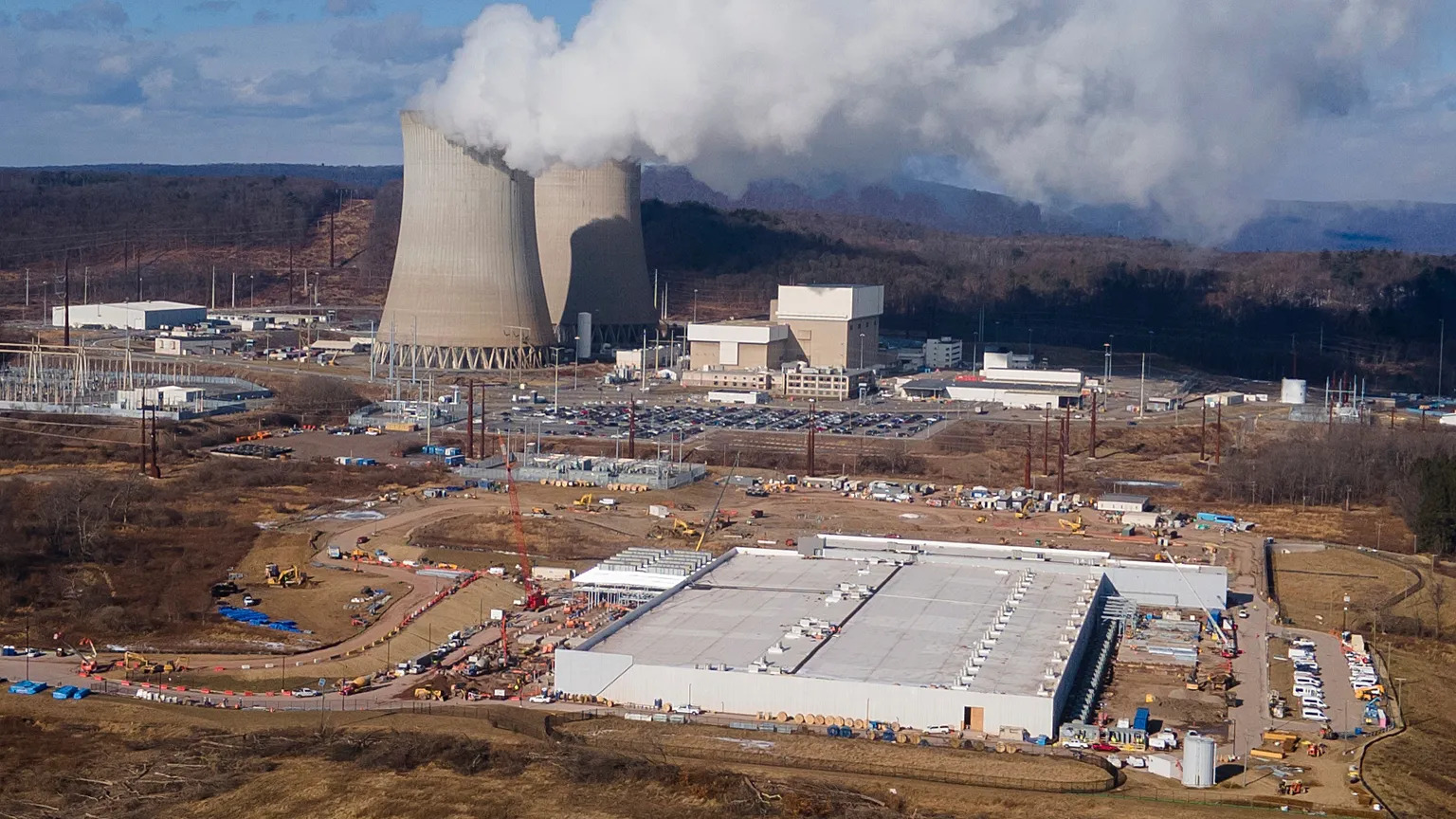
Amazon’s planned expansion of data center capacity in rural Texas has sparked a heated discussion about Amazon data center pollution and corporate climate responsibility. Recent reports indicate the company will build an on-site natural gas power plant to supply a new data center campus in Pecos County, Texas. The plant, powered by dozens of large gas turbines, is permitted to emit roughly 33 million tons of carbon dioxide per year. This volume of greenhouse gases would, if fully realized, make it the single largest source of climate pollution in the United States, far exceeding current record-holders.
The plan has reignited concerns over the environmental impact of hyperscale computing. Data centers already account for a significant share of global electricity use—estimated at about 1.5% of total consumption in 2024—and companies like Amazon are rapidly scaling up AI and cloud services. Critics warn that allowing Amazon data center pollution on this scale undermines the company’s own sustainability pledges. Amazon has publicly committed to reaching net-zero carbon emissions across its operations by 2040. Yet its carbon footprint has been rising: the company reported a 16% increase in emissions last year, largely driven by a boom in energy-intensive data centers and AI infrastructure.
Texas Data Center Project and Emissions
The Texas project involves building an enormous on-site natural gas power plant to serve the new data center campus. Permits reveal the plant will have 35 turbines generating up to 7.65 gigawatts of power. It is licensed to emit about 33 million metric tons of CO₂ annually. To put this in perspective, the current largest U.S. power plant (a coal plant in Alabama) emits roughly 16 million tons per year, meaning Amazon’s plant could more than double that rate if run at full capacity.
- Permitted Emissions: ~33 million tons CO₂ per year.
- Plant Capacity: ~7.65 GW (35 gas turbines).
- Current US Leader: ~16 million tons CO₂ per year (largest coal plant).
This “behind-the-meter” approach (generating power onsite rather than drawing from the grid) reflects an industry trend. Large data center operators are increasingly building dedicated generation facilities to meet soaring electricity demands and to avoid long grid interconnection delays. Amazon claims this move will keep electricity costs down for local customers, and the company plans to transition to grid power as soon as new transmission lines are available. An Amazon spokesperson stated that the on-site plant “won’t raise electricity costs for Texas families” and emphasized plans for future solar and battery installations at the site.
Environmental and Climate Commitments
The scale of the Texas plant poses a stark challenge to Amazon’s climate goals. Amazon is a founding member of The Climate Pledge, promising to reach net-zero carbon by 2040. The Pledge Fund even invests in sustainable tech innovations. However, recent investments in large fossil fuel plants for data centers indicate a tension between the company’s growth and its green commitments.
Energy experts note that powering AI-driven data centers with natural gas greatly inflates emissions. Amazon has acknowledged that its growing AI infrastructure has pushed emissions up, but the company insists its commitment has not changed. In a recent statement, Amazon said the world looks different now than when it co-founded the climate pledge, but vowed to uphold its goals despite the evolving challenges. The company also highlights renewable energy matching – for example, claiming 100% of its electricity consumption was matched by renewables in recent years – though such offsets may not fully mitigate the pollution from this new power plant.
Data Centers and Energy Consumption
Data centers globally are already significant electricity consumers. According to the International Energy Agency (IEA), data centers consumed about 415 TWh in 2024 – roughly 1.5% of all electricity worldwide. This share is growing rapidly (IEA projects it could reach 3% by 2030 in a high-growth scenario). The key driver is the surge in high-performance computing for AI. Data centers for AI training and inference can require many times more power than traditional servers. As one report notes, the rise of AI has accelerated server deployment and thus electricity demand in hyperscale facilities.
Within this context, Amazon’s new Texas plant is part of a broader industry shift. Many tech giants face local pushback over energy use and costs. For example, some communities oppose data centers due to higher local utility rates and water usage. The Texas site experienced scrutiny when the state debated keeping or revoking utility tax breaks for such projects. The Amazon plant aims to sidestep some issues by producing power onsite, but environmental advocates warn it effectively locks in decades of high carbon emissions.
Public Reaction and Policy Implications
News of the potential Amazon data center pollution has drawn criticism from environmentalists and policymakers. Headlines describe Amazon’s Texas plant as a potential “biggest climate polluter in the U.S.”. Activists argue that allowing such a project undermines climate progress at a time when the AI industry’s energy hunger is soaring. The controversy highlights a growing dilemma: how to balance technological innovation with environmental stewardship.
Local residents and environmental groups in Texas express concern about air quality and climate impact. Although Amazon stresses no immediate rate increases for consumers, critics note that a massive new power plant will still contribute to national carbon emissions. The fact that the plant’s permits exceed any existing facility’s allowed emissions has alarmed experts. One analysis points out that even if the plant under-utilizes its capacity, its mere authorization raises difficult questions about regulatory priorities and corporate accountability.
The Future: Balancing Growth and Green Energy
Moving forward, Amazon and other companies will face pressure to reconcile data center expansion with sustainability. Some possible shifts include investing heavily in truly carbon-free energy options. For instance, other tech firms are exploring nuclear, solar farms, and battery storage to power large data centers. Amazon’s mention of on-site solar and batteries at the Texas site suggests such alternatives are being considered. Regulatory bodies may also tighten requirements for environmental review of big tech energy projects. Public scrutiny could lead to stricter limits on carbon output or incentives for renewables.
From a broader perspective, the Amazon case underscores the intense energy demands of modern computing. Data center pollution is not limited to Texas – every new facility that relies on fossil fuels adds to the carbon tally. The IEA and climate scientists warn that data center emissions could continue climbing as AI and cloud services grow. If companies like Amazon are serious about climate leadership, they will need to invest in cleaner infrastructure and energy efficiency. Consumers and investors will be watching whether Amazon’s future projects use cleaner power sources or continue relying on fossil fuels.
In summary, the Amazon Texas data center project has placed Amazon’s environmental commitments under the microscope. The permitted emissions of 33 million tons of CO₂ per year mark it as potentially America’s largest single source of industrial pollution. That stands in stark contrast to Amazon’s publicly stated goal of carbon neutrality by 2040. As the company moves forward, the outcomes in Texas may influence broader tech industry practices. Stakeholders will be watching how Amazon addresses these pollution concerns and whether it can innovate its way to both cutting-edge computing and a smaller carbon footprint.
Read More