





 Thursday, 01-10-26








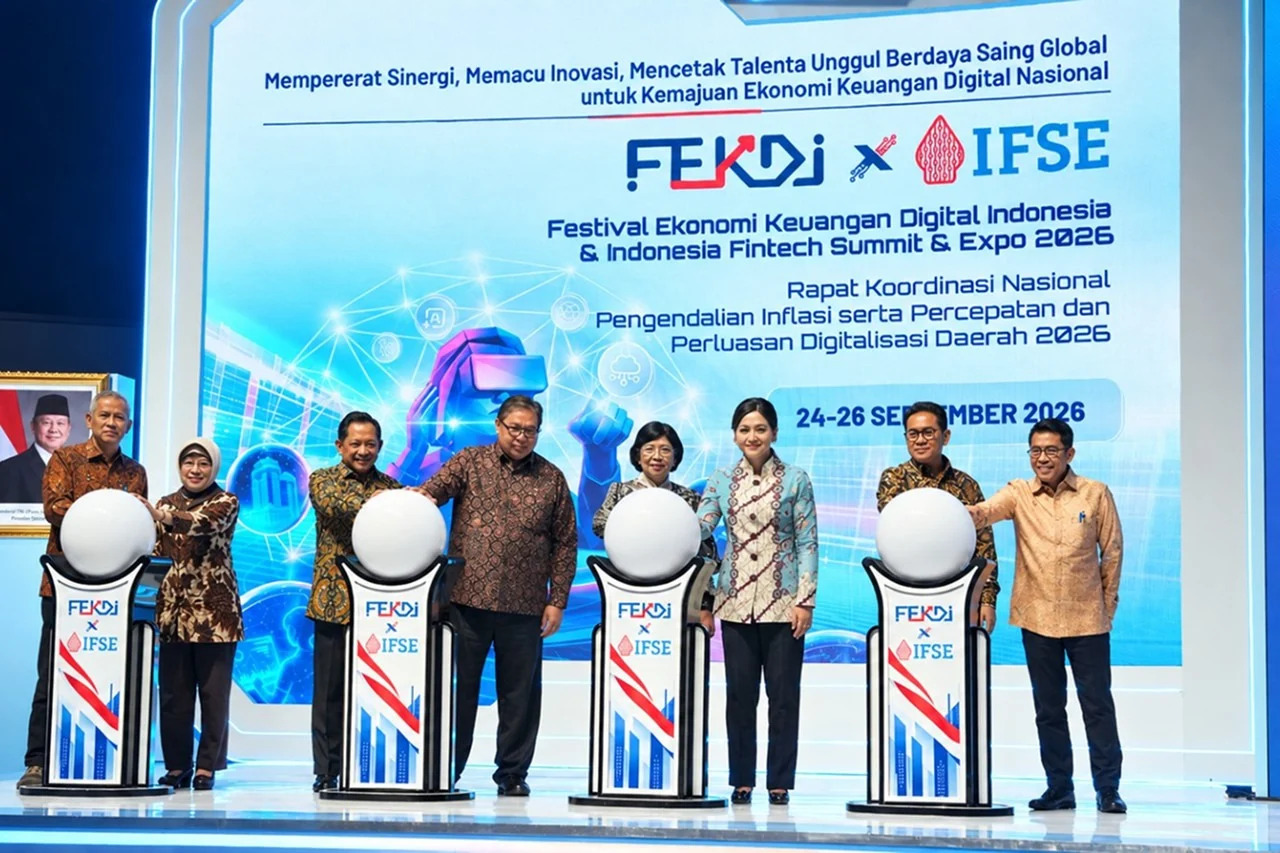
The landscape of digital finance in Southeast Asia is experiencing a massive and unprecedented transformation. This rapid evolution is driven significantly by the latest strategic initiatives from Bank Indonesia and various government sectors. During the recently concluded Festival Ekonomi Keuangan Digital Indonesia combined with the Indonesia Fintech Summit and Expo in 2026, a very strong and unified message resonated among all financial stakeholders. The central bank emphasized that local dominance is no longer sufficient for the rapidly growing national economy. Instead, the focus has entirely shifted toward a much broader international horizon, specifically highlighting the ongoing global QRIS expansion as a primary economic goal for the nation. Regulators and state officials urged all industry participants to embrace the Red and White Synergy, a collaborative national spirit aimed at propelling the domestic digital economy onto the competitive international stage. This ambitious vision seeks to connect local merchants, financial technology companies, and regional governments to create a seamless payment ecosystem that transcends geographical borders.
Understanding the Red and White Synergy in Digital Finance
The concept of the Red and White Synergy goes far beyond a simple patriotic slogan. It represents a deeply integrated and highly structured framework that requires absolute collaboration among various institutional pillars across the country. At the major financial summit in Jakarta, top tier officials from the central bank, the Financial Services Authority, and multiple government ministries gathered to solidify this united front. The synergy mandates that every new digital innovation introduced to the market must have a practical application that directly benefits the daily lives of the population. There is a strong consensus among policymakers that creating technological advancements simply for the sake of following global trends is an inefficient use of national resources.
The real measure of success lies in whether these newly developed digital tools can enhance national productivity, improve commercial efficiency, and uplift the overall welfare of the public. By fostering this highly unified ecosystem, the government ensures that both state owned enterprises and private financial technology firms are working in perfect harmony to support the grand national economic blueprint. This close public and private collaboration is the foundational stepping stone required to successfully execute the global QRIS expansion while simultaneously ensuring that the domestic financial infrastructure remains robust, secure, and highly competitive on a global scale.
The Strategic Importance of the Global QRIS Expansion
For several years, the standardized national quick response code system has completely revolutionized how millions of citizens conduct their daily financial transactions. From small street vendors to massive retail chains, the adoption of digital payments has become a deeply ingrained part of modern society. However, the ultimate objective of the central bank has always been to stretch this remarkable capability far beyond national borders. The global QRIS expansion represents a monumental leap forward in creating seamless cross border payment connectivity for everyone.
At the recent digital financial summit, regulatory authorities proudly announced significant progress in expanding this digital payment network to include new partner regions such as Hong Kong and Timor Leste, adding to the list of previously connected partner countries. This specific development is incredibly strategic for multiple vital reasons. Firstly, it provides unparalleled convenience for citizens traveling abroad for business or leisure, allowing them to make everyday purchases effortlessly using their trusted local banking applications or digital wallets. Secondly, it drastically simplifies the transaction process for millions of foreign tourists visiting the archipelago, making the country a much more attractive, modernized, and welcoming destination for international travelers. By entirely eliminating the friction of physical currency exchange and drastically reducing hidden transaction fees, the global QRIS expansion directly stimulates tourism revenue and boosts cross border commercial trade.
Highlights From the Digital Economy and Finance Festival
The sheer scale and magnitude of the 2026 digital finance festival accurately reflect the massive enthusiasm surrounding the national digital economy. Held at a prominent convention center in Jakarta, the multi day festival successfully attracted more than thirty thousand active participants. These attendees included a mix of people attending in person and those joining through various interactive virtual platforms. The expansive venue was packed with over one hundred and forty specialized innovation booths, featuring the absolute latest technological breakthroughs from more than forty different financial institutions and technology companies.
These comprehensive showcases provided a tangible and exciting glimpse into the near future of digital banking, artificial intelligence integration in financial services, and advanced cybersecurity defense measures. A highly prominent highlight of the exhibition was the live demonstration of cross border payment capabilities. This specific showcase visually communicated the practical and immediate benefits of the global QRIS expansion to the general public and media representatives. Visitors were able to experience firsthand exactly how quickly, securely, and efficiently international financial transactions could be processed using their smartphones. Furthermore, the festival served as a crucial networking hub, successfully connecting fifty leading digital economy experts with young digital talents, rising startup founders, and high level government regulators.
Boosting Local Merchants and the Tourism Sector
One of the primary beneficiaries of an advanced and interconnected digital payment ecosystem is the local micro, small, and medium enterprise sector. The central bank recently reported that the total number of merchants actively utilizing the standardized digital payment system has successfully surpassed forty seven million users, showcasing a consistent and highly impressive annual growth rate. As this payment network actively expands on an international level, these dedicated local businesses are perfectly positioned to reap substantial financial rewards.
When foreign tourists arrive in the country and discover that they can easily pay for goods, transportation services, and culinary experiences using their native payment applications connected directly to the local standard, their overall spending behavior becomes much more fluid and generous. This digital interoperability completely removes a massive logistical barrier for small traditional vendors who previously struggled with counterfeit money risks, complex foreign cash exchanges, or highly expensive credit card terminal rental fees. Furthermore, the introduction of special recognition programs for highly active merchants serves to highlight and reward businesses that consistently maintain high transaction volumes and excellent customer service standards. This gamified and rewarding approach not only encourages greater technological adoption among traditional vendors but also significantly elevates the overall service quality of the retail and tourism sectors.
Aligning With the Indonesian Payment System Blueprint
The aggressive push for broader digitalization and international connectivity does not happen in a vacuum. It is carefully orchestrated under the grand vision of the Indonesian Payment System Blueprint for the year 2030. This comprehensive master plan is built upon five foundational pillars focused on infrastructure, industry development, continuous innovation, international connectivity, and the future implementation of a digital domestic currency.
The current international payment integrations serve as a direct manifestation of the international connectivity pillar. By actively collaborating with neighboring central banks and international financial authorities, the country is systematically building a highly resilient financial bridge that connects local digital wallets to a much wider global merchant network. Additionally, the festival highlighted several strategic initiatives designed to nurture domestic digital talent, such as specialized empowerment and training programs. These educational programs are intentionally designed to ensure that the rapid technological growth is matched by a highly skilled domestic workforce capable of maintaining, upgrading, and securing these complex financial systems for decades to come.
Prioritizing Consumer Protection and Digital Literacy
While the rapid acceleration of digital finance brings countless economic opportunities, it undeniably introduces a new set of complex risks that must be carefully and proactively managed by all stakeholders. The regulatory authorities are acutely aware that massive technological deployment must be consistently matched with equal efforts in public education and security enhancement. The existing gap in digital financial literacy across different provinces remains a notable challenge, meaning that the immense benefits of financial digitalization are not yet evenly distributed among all citizens.
To combat this structural inequality, the central bank is currently implementing a highly targeted spatial approach to digital literacy. This strategy involves carefully tailoring educational campaigns and community outreach programs to perfectly suit the specific cultural characteristics, infrastructure readiness, and economic needs of various distinct regions. Furthermore, comprehensive consumer protection and strict data privacy security are placed at the very forefront of the national development agenda. Regulators repeatedly stressed during the summit that transactional speed and convenience must never compromise the absolute safety of consumer funds and personal private information. As the domestic financial network connects with more international payment gateways, the underlying digital infrastructure must be heavily fortified against sophisticated cross border cyber threats and organized financial fraud. Building and maintaining unwavering public trust is the most critical and foundational element of this entire digital transformation journey.
Read More