





 Thursday, 01-10-26








The economic landscape of Southeast Asia continues to evolve at a remarkable pace, and the archipelago nation stands at the very forefront of this regional financial transformation. When evaluating the economic movers and shakers, tracking the richest people in Indonesia provides profound insights into the shifting priorities of the broader regional market. The nation boasts a dynamic blend of legacy wealth and modern entrepreneurial success, reflecting a resilient and expanding domestic economy. In October 2026, the financial metrics reveal fascinating trends, showcasing how billionaires are diversifying their massive portfolios. From retail and banking conglomerates to digital infrastructure pioneers, these leaders are redefining what it means to build lasting wealth. Their strategic decisions ripple through the stock exchange, influence government policies, and shape consumer behavior across thousands of islands. By analyzing their journeys, investors and financial enthusiasts can identify key sectors driving growth and recognize the potential for future investments. The continuous accumulation of wealth in this region highlights a robust system capable of weathering global financial storms while fostering immense private enterprise.
The Dominance Of Traditional Industries
For decades, the foundation of tremendous wealth in the country has been built upon natural resources, heavy manufacturing, and banking. It is impossible to discuss the richest people in Indonesia without acknowledging the colossal impact of these traditional sectors. Coal mining, palm oil plantations, and timber have historically generated billions of dollars, providing the initial capital for many prominent families to expand their empires. Furthermore, the banking and finance sector remains an absolute cornerstone of the national economy. The ownership of private banks allows conglomerates to secure their assets and fund aggressive expansions into emerging markets. Consumer goods and retail also command a significant share of the pie. Providing everyday necessities to a population of over two hundred and seventy million people guarantees a steady stream of revenue. While some critics argue that reliance on extraction industries is unsustainable, the top tycoons have shown incredible adaptability. They are actively pivoting towards downstream processing and sustainable practices to secure their operations and align with global environmental standards. This strategic pivot ensures that legacy wealth will continue to dominate the economic charts for the foreseeable future.
The Rise Of Technology And Data Centers
While legacy industries maintain their strongholds, a completely new breed of billionaires is quickly ascending the ranks. The digital revolution has finally matured, creating unprecedented opportunities in technology and data management. Internet penetration and smartphone adoption have skyrocketed, fostering a massive digital economy that requires robust infrastructure. Consequently, individuals investing heavily in data centers, cloud computing, and telecommunications are seeing their net worth multiply exponentially. This technological boom explains why we are seeing fresh faces among the wealthiest individuals. Tech entrepreneurs are now rubbing shoulders with established coal and banking magnates. These innovators understand that data is the new oil. By building the digital backbone that supports electronic commerce, digital banking, and artificial intelligence, they are establishing monopolies in highly lucrative fields. This shift is particularly exciting for young entrepreneurs, as it proves that massive fortunes can now be built on digital innovation rather than just physical land or natural resource extraction. The rise of digital wealth marks a pivotal turning point in the commercial history of the nation.
Detailed Profiles Of The Leading Billionaires
To truly understand the distribution of wealth, one must look closely at the individuals who hold the largest fortunes. As of late 2026, the list of the richest people in Indonesia features a mix of familiar patriarchs and rising tech visionaries. The diversity of their backgrounds and business strategies paints a comprehensive picture of the national economy. By examining the specific enterprises they control, we can gain a clearer understanding of the forces driving macroeconomic growth.
Robert Budi Hartono And Michael Hartono
The Hartono brothers remain the undisputed kings of the national wealth rankings, boasting a combined net worth of over forty three billion dollars. Their financial dominance is primarily anchored by their substantial stake in Bank Central Asia, one of the most profitable financial institutions in Southeast Asia. Originally, their family fortune was built upon the Djarum tobacco empire, but the brothers successfully diversified their portfolio decades ago. Today, their investments span across real estate, the popular electronics brand Polytron, and massive digital ventures. Notably, they have recently spearheaded investments into electric vehicle manufacturing through Polytron, signaling their intent to capture the green technology market. Furthermore, their holding company successfully launched a major initial public offering for their electronic commerce giant Blibli, cementing their status as dominant players in the digital retail space. Their ability to seamlessly transition from tobacco to banking and now to digital technology is a masterclass in wealth preservation and strategic expansion.
Prajogo Pangestu
Securing the second spot on the list, Prajogo Pangestu holds an estimated net worth of nearly forty billion dollars. His journey is a classic rags to riches story that continues to inspire many aspiring business leaders. Starting in the timber business during the late seventies, he built Barito Pacific into a formidable corporate giant. Over the years, Pangestu completely transformed his empire, pivoting away from timber and heavily into petrochemicals and energy. His strategic acquisitions and expansions in the petrochemical sector have proven incredibly lucrative. More recently, he has made aggressive moves into renewable energy and geothermal power, ensuring that his businesses remain relevant and profitable in an era increasingly focused on sustainability. His agility in navigating changing global markets has allowed him to multiply his net worth significantly over the past five years.
The Widjaja Family
The Widjaja family controls the Sinar Mas Group, a massive conglomerate with a diversified presence across multiple highly profitable sectors. With an estimated wealth approaching twenty eight billion dollars, the family relies on a sprawling network of businesses encompassing pulp and paper production, real estate development, financial services, and telecommunications. The sheer scale of Sinar Mas makes it an integral part of the daily lives of millions of citizens. Their ability to manage and grow such a complex web of international and domestic companies highlights their sophisticated corporate governance and strategic long term planning. Their real estate ventures have fundamentally altered the urban landscape of major cities, while their financial services provide essential capital to growing businesses across the archipelago.
Low Tuck Kwong
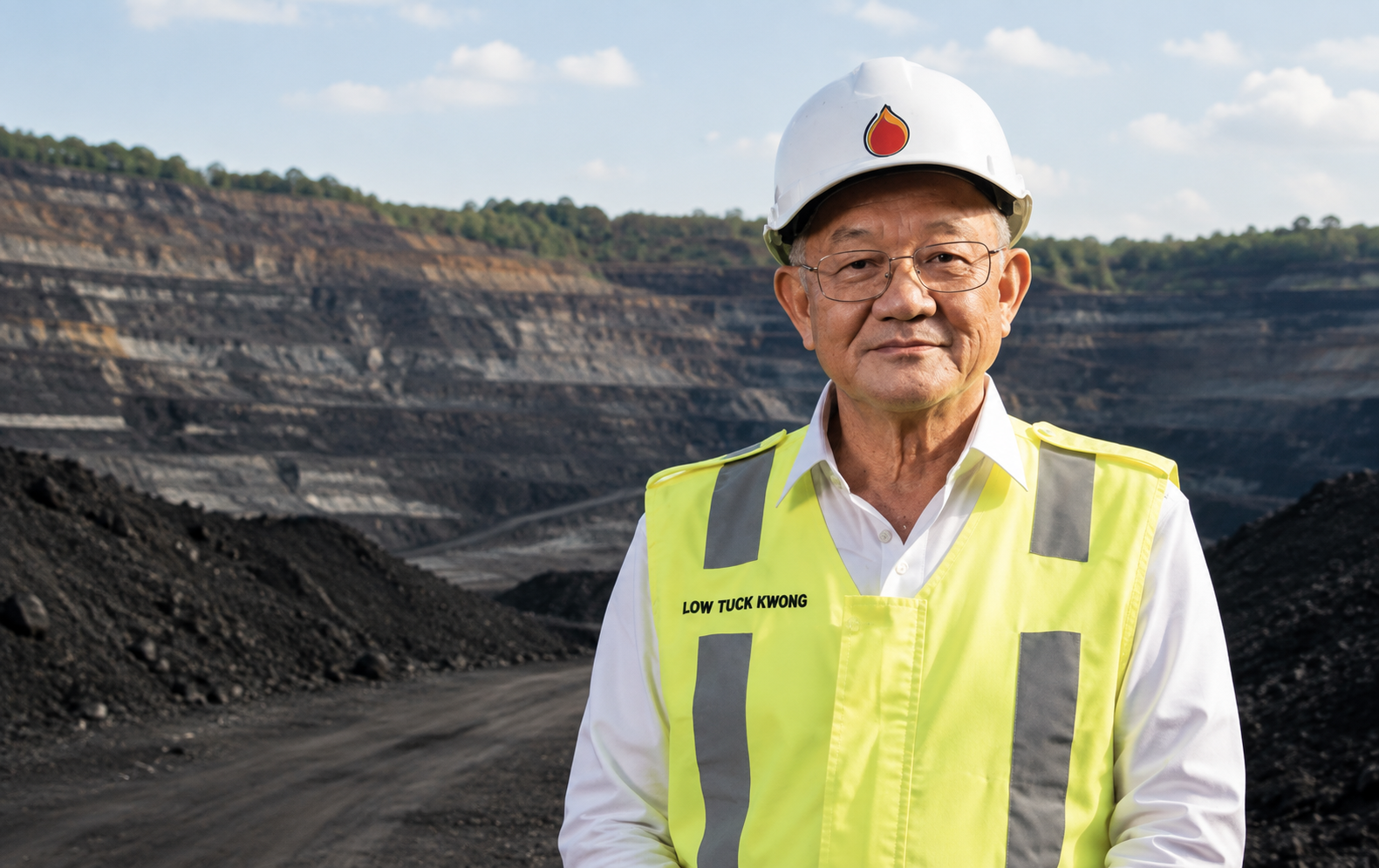
Often referred to as the coal king, Low Tuck Kwong commands a fortune of approximately twenty five billion dollars. He is the founder of Bayan Resources, a premier coal mining contractor that has benefited immensely from global energy demands. Despite the global push for renewable energy, coal remains a critical component of the regional energy mix, keeping his revenues exceptionally high. Furthermore, he has strategically invested in other energy sectors and international ventures, ensuring that his wealth is not solely dependent on fluctuating commodity prices. His philanthropic efforts, particularly in education and healthcare, have also made him a prominent figure in public life, balancing his immense industrial influence with substantial social contributions.
Anthoni Salim And Family
The Salim Group, led by Anthoni Salim, is an absolute powerhouse in the food and consumer goods sector. With a net worth exceeding thirteen billion dollars, the family is responsible for Indofood, one of the largest instant noodle manufacturers in the world. Their reach extends far beyond noodles, encompassing flour milling, agribusiness, and massive retail chains. By controlling the supply chain from raw agricultural products to retail distribution, the Salim family maintains unparalleled market dominance and a very stable revenue stream regardless of broader economic volatility. Their products have become cultural staples, demonstrating how deeply embedded their business is within the national identity. They have also successfully exported their brands internationally, turning local favorites into global commodities.
Otto Toto Sugiri And Marina Budiman
Representing the new digital guard, Otto Toto Sugiri and Marina Budiman have amassed billions through their visionary investments in data infrastructure. Both are key figures behind DCI Indonesia, the leading data center provider in the country. Sugiri, often dubbed the technology visionary of his nation, holds a fortune of over eleven billion dollars, while Budiman follows closely with over eight billion dollars. Their success perfectly illustrates the rapid digitization of the local economy. As more businesses migrate to the cloud and artificial intelligence applications demand greater computing power, the value of their data centers continues to climb at an astonishing rate. They are essentially the landlords of the digital space, collecting revenues as the nation fully embraces the internet era.
How The Wealth Is Distributed Across Sectors
An analysis of the richest people in Indonesia reveals a fascinating breakdown of industry concentration. Banking and finance remain the most reliable engines of extreme wealth, providing the capital backbone for other ventures. Energy and mining follow closely, driven by the insatiable global demand for commodities and the recent surge in battery metal requirements. However, the technology and data center sector is the fastest growing category among the elite class. This diversification is incredibly healthy for the macroeconomic stability of the nation. It indicates a transition from a purely extractive economy to a knowledge based and service oriented financial system. Manufacturing and consumer goods also maintain a steady presence, reflecting the immense purchasing power of a growing middle class population that demands higher quality products and services. The emergence of healthcare and pharmaceuticals as highly profitable sectors also indicates a shift in consumer priorities and spending habits.
The Future Outlook For Indonesian Billionaires
Looking ahead, the landscape of extreme wealth is poised for further evolution. We can expect the richest people in Indonesia to accelerate their investments in green technology, electric vehicle ecosystems, and artificial intelligence. The government has aggressively promoted the downstream processing of minerals like nickel, which is vital for electric vehicle batteries. Consequently, tycoons who can successfully navigate this sector will likely see their fortunes multiply even further. Furthermore, as the digital economy matures, we will likely see more technology founders launching initial public offerings, creating a completely new wave of younger billionaires. The transition of wealth from the older generation of patriarchs to their internationally educated heirs will also bring fresh perspectives on corporate governance, social responsibility, and global expansion. These successors are expected to implement modern management techniques and prioritize sustainable growth over short term profits.
Conclusion On The Wealth Creators Of The Nation
The stories of these ultra wealthy individuals provide a compelling narrative about the economic trajectory of the entire region. From the traditional roots of tobacco and timber to the futuristic realms of data centers and electric vehicles, these billionaires are constantly adapting to the global marketplace. Understanding the investments and strategies of the richest people in Indonesia is essential for anyone looking to comprehend the future of Southeast Asian commerce. As they continue to innovate, diversify, and expand their empires, these financial titans will undoubtedly play a crucial role in shaping the economic destiny of their nation for decades to come. Their journeys reflect the incredible potential of emerging markets and serve as a testament to the power of strategic foresight, adaptability, and relentless ambition in the modern business world.
Read More