


 Saturday, 21-11-26


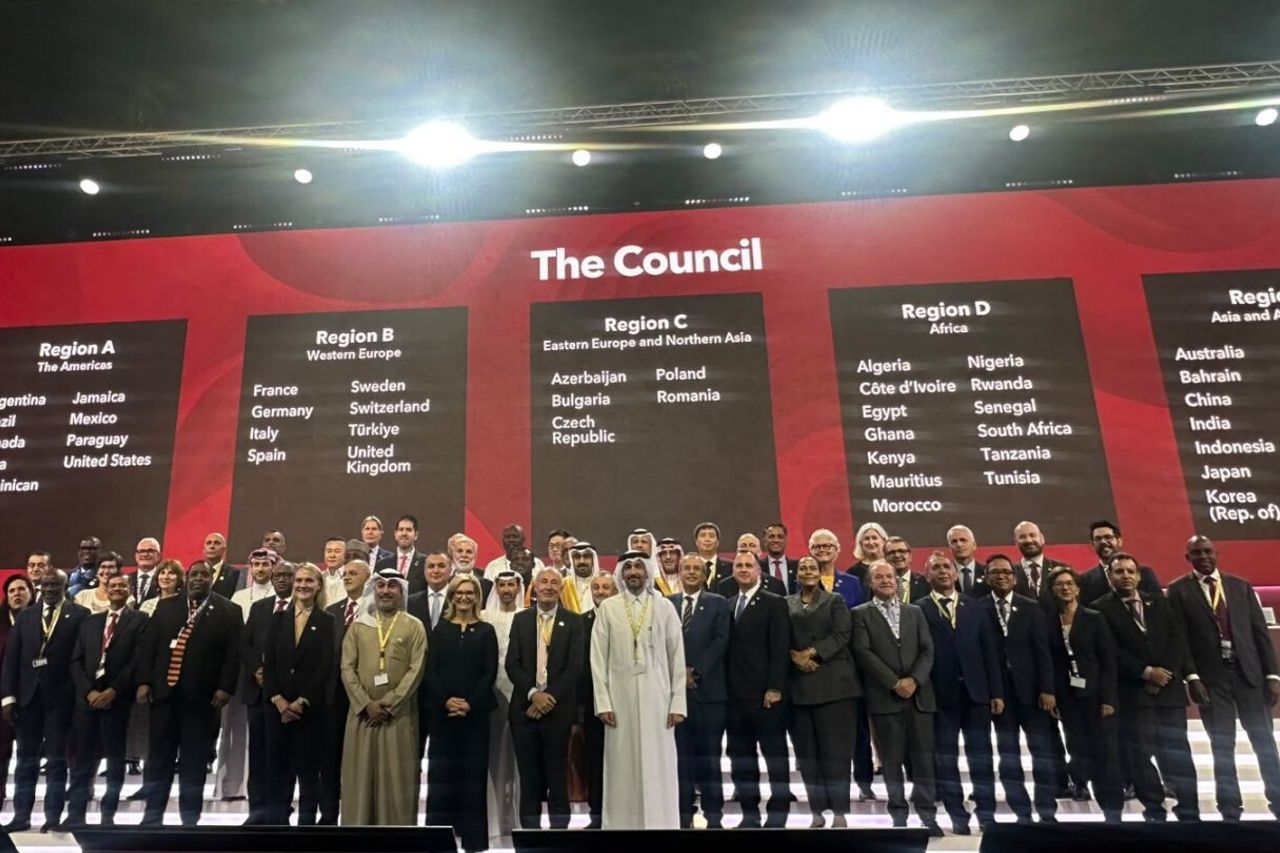
The rapid advancement of digital technology requires robust global governance to ensure equitable access and standardized regulations. At the heart of this international coordination is the International Telecommunication Union, a specialized agency of the United Nations established in the nineteenth century. Recently, the global community convened in Doha, Qatar, for the Plenipotentiary Conference 2026, running from early to late November. During this critical event, the Indonesian delegation achieved a significant diplomatic win. By securing a prominent seat for the upcoming four year term, the newly cemented Indonesia ITU Council membership marks a practical milestone in the ongoing efforts to democratize global digital transformation. With a clear mandate from the international community, the country is poised to lead crucial discussions on radio frequency spectrum allocation, satellite orbit management, artificial intelligence governance, and comprehensive cybersecurity frameworks.
Understanding The Plenipotentiary Conference And Global Voting
The Plenipotentiary Conference serves as the highest policy making body of the International Telecommunication Union. Held every four years, it operates as the premier platform where member states decide on the future trajectory of the organization, determining its overarching strategies and financial plans. The recent 2026 conference brought together representatives from nearly two hundred member states. In the highly competitive regional elections, Indonesia successfully garnered an impressive tally of one hundred and forty eight votes. This strong backing placed the archipelagic nation in the sixth position within the Asia and Australasia region. The region was allocated a total of thirteen seats, and Indonesia now shares this prestigious responsibility alongside global technological powerhouses such as China, Japan, and South Korea. This achievement is certainly not an isolated success. In fact, it marks the tenth time the nation has been elected to the council since its very first successful campaign decades ago. This long standing history genuinely reflects the enduring trust that the global telecommunications community places in Indonesian diplomatic and technological leadership.
Strategic Significance Of The Indonesia ITU Council Victory
Securing a seat at this diplomatic table goes far beyond mere political prestige. The Indonesia ITU Council victory is a highly strategic move designed to protect and advance national interests on a massive global scale. Government officials highlight that international technology standards directly influence the trajectory of national digital infrastructure and industrial development. By holding an influential position on the council, the country can ensure that global policies remain highly relevant to its unique domestic needs and geographical constraints. Furthermore, the national delegation has emphasized the absolute importance of cross border cooperation. The council serves as an essential platform for member states to exchange technical expertise, build international consensus, and promote inclusive technology management. For a developing nation, having a direct say in how the international body shapes the future of connectivity means that the voices of emerging economies will not be marginalized in the face of rapid technological dominance by more advanced countries.
Advancing Equitable Radio Frequency Spectrum Management
One of the most pressing technical issues on the global telecommunications agenda is the equitable distribution and management of the radio frequency spectrum. The spectrum acts as the invisible infrastructure that powers everything from mobile connectivity to television broadcasting and critical emergency communication systems. As a newly reelected member of the Indonesia ITU Council, the nation has openly committed to advocating for transparent and highly inclusive spectrum management policies. Domestically, the government is placing massive focus on upcoming frequency band auctions to accelerate digital infrastructure. These specific bandwidths are considered the absolute lifeblood for accelerating next generation cellular technology adoption and expanding broadband connectivity across vast geographic distances. By participating actively in global standard setting mechanisms, local policymakers can effectively align international regulations with their domestic rollout strategies. This perfect alignment ensures that the hardware and software utilized in the local telecommunications ecosystem remain compatible, affordable, and fully integrated with the latest global technological advancements.
Prioritizing Satellite Orbits For Archipelagic Connectivity
For a massive archipelago comprising thousands of individual islands, terrestrial networks alone are physically and economically insufficient to bridge the digital divide. Modern satellite technology is not merely a supplementary option; it is an absolute necessity for connecting remote, frontier, and outermost regions. A primary agenda for the Indonesia ITU Council delegation is to secure favorable policies regarding the active management and fair allocation of satellite orbits. Space is currently becoming increasingly congested as more nations and private corporations rapidly launch thousands of low earth orbit satellites. It is imperative that developing and archipelagic nations firmly retain their rightful access to strategic orbital slots and associated satellite frequency bands. Without a strong voice in the global arena, smaller nations run the terrible risk of being crowded out by well funded space programs from highly developed countries. By fiercely championing this particular issue, the government aims to guarantee that its citizens can enjoy reliable and fast internet access driven by cutting edge satellite infrastructure.
Championing Artificial Intelligence And Cybersecurity Standards
Beyond traditional telecommunications infrastructure, the next four years will be heavily defined by the explosive growth of artificial intelligence and the escalating threats within the global cybersecurity domain. The recent conference dedicated substantial time to thoroughly addressing these emerging paradigms. As an influential voice in the region, the Indonesia ITU Council representatives are heavily involved in drafting proactive and highly ethical frameworks for artificial intelligence deployment. Domestically, the government is currently developing a comprehensive national roadmap for artificial intelligence that passionately emphasizes both creative innovation and strict corporate responsibility. Additionally, the nation has been aggressively pushing for enhanced child protection in digital environments. By bringing these crucial domestic priorities directly to the international stage, policymakers hope to shape a strong global consensus on digital safety. Cybersecurity also remains a paramount concern today. The council is tasked with formulating strategies to combat sophisticated cyber threats, actively protect critical digital infrastructure, and heavily foster international cooperation in mitigating large scale vulnerabilities.
Economic Implications And Technological Capacity Building
The profound economic benefits resulting from an active presence in global telecommunications governance simply cannot be overstated. Holding a prominent seat effortlessly facilitates massive opportunities for international collaboration, targeted capacity building, and essential knowledge transfer. As global tech leaders constantly converge to discuss the future, local delegates gain direct access to the latest scientific research, emerging industry trends, and highly valuable foreign investment networks. This consistent exposure is vital for the continued development of the national digital talent pool. Developing highly skilled human resources in the fields of telecommunications, artificial intelligence, and network engineering strongly requires exposure to global best practices. Through this international position, local tech professionals and dedicated policymakers can participate in specialized training programs and massive joint research initiatives. Furthermore, a highly visible international presence naturally boosts investor confidence. Multinational technology corporations are far more likely to invest heavily in a country that actively shapes global regulatory frameworks, naturally leading to increased foreign direct investment and the rapid expansion of the domestic digital economy.
Bridging The Global Digital Divide Effectively
A frequently recurring theme in the broader diplomatic strategy is the fierce and unwavering advocacy for developing nations worldwide. The deep digital divide between advanced economies and emerging markets unfortunately remains a stark and depressing reality. While many wealthy nations race ahead with ubiquitous modern networks and advanced computing research, numerous developing nations still deeply struggle with providing basic broadband access to their rural and isolated populations. The Indonesia ITU Council membership is widely viewed as a critical and highly necessary bridge between these two very different worlds. By constantly highlighting the unique and difficult challenges faced by emerging economies, the delegation ensures that the central organization allocates sufficient resources, technical assistance, and financial funding to programs specifically designed to completely eradicate digital inequality. This includes loudly advocating for more affordable technology standards, forcefully pushing for fair intellectual property licensing in telecommunications equipment, and strongly supporting global funds aimed directly at expanding rural connectivity globally.
The Future Of Global Digital Governance
Looking ahead to the upcoming term, the immense challenges facing the international telecommunications landscape are incredibly complex. Rapid technological convergence literally means that telecommunications, advanced computing, and digital media are now entirely intertwined. The global regulatory environment must therefore adapt with unprecedented speed to adequately keep pace with these magnificent innovations. The recent reelection of key organizational leaders signals a strong continuation of the firm commitment to extensive modernization and inclusive economic growth. For its own part, the nation is fully prepared and highly motivated to take on these rapidly evolving challenges head on. The incredibly intensive diplomatic efforts led by various government ministries have laid a very solid and impressive foundation for future international success. By fostering a deeply collaborative environment, continuously encouraging transparent decision making processes, and always prioritizing human centric technology development, the leadership team can successfully navigate the rather complex landscape of the modern digital age.
Conclusion
In final consideration, the highly successful campaign at the recent Plenipotentiary Conference is a massive and historic triumph for modern digital diplomacy. The highly coveted Indonesia ITU Council seat provides an absolutely unparalleled platform to actively influence the future of global connectivity, standard setting, and technological innovation. By passionately advocating for equitable radio spectrum management, smartly securing vital satellite orbits, and forcefully pushing for ethical artificial intelligence frameworks, the nation is successfully safeguarding its own digital future while simultaneously championing the fundamental rights of developing countries worldwide. As the modern world rapidly moves closer to an entirely interconnected reality, the highly active participation of archipelagic nations is absolutely essential. The upcoming term will undoubtedly demand rigorous negotiation, truly visionary policymaking, and a strong commitment to the core principles of equality and mutual cooperation. Through its highly strategic global leadership, the country is extremely well positioned to strictly ensure that the ongoing global digital revolution genuinely benefits all of humanity.
Read More