





 Thursday, 01-10-26








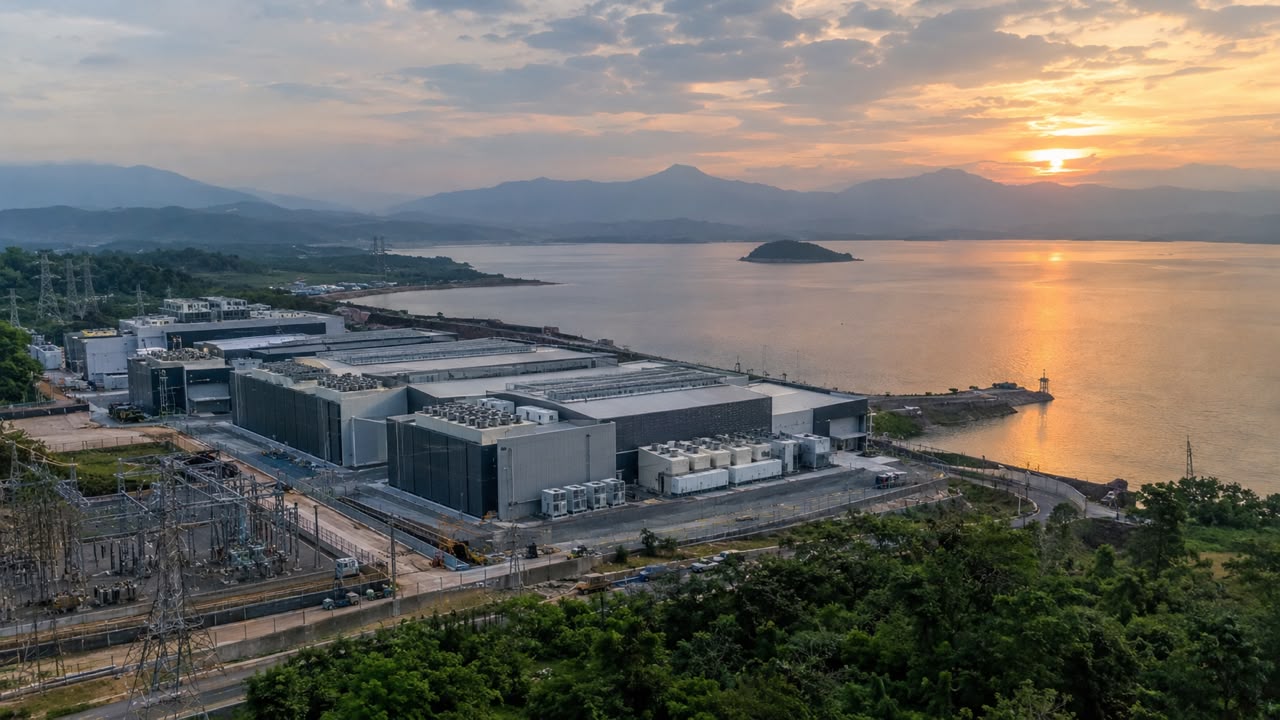
The rapid rise of artificial intelligence has created unprecedented demand for advanced computing infrastructure. Across the globe, high-density server campuses are emerging to support complex machine learning workloads and real-time processing capabilities. While these facilities drive regional technological modernization and economic development, their substantial physical resource requirements have sparked intense public debate. Among the most pressing concerns associated with large-scale artificial intelligence hubs is their resource footprint, particularly regarding municipal utilities and environmental sustainability. Recent developments surrounding high-density tech facilities in West Java, such as the major facility near the Jatiluhur Reservoir, have brought these challenges into sharp focus for policymakers and local communities alike.
Understanding the Scale of Industrial Water Demands
High-density artificial intelligence computing chips generate immense amounts of thermal energy during intensive operations. To maintain optimal operating temperatures and prevent hardware failure, facility operators rely heavily on liquid cooling systems and evaporative cooling towers. When fully operational, large-scale facilities can draw vast quantities of liquid every second, totaling tens of thousands of cubic meters daily.
This high volume of AI data center water consumption represents a major operational variable within industrial infrastructure management. Cooling systems require continuous fluid flow to absorb heat from server racks, process it through heat exchangers, and dissipate it into the atmosphere. When multiplied across multi-megawatt campuses containing thousands of specialized processor units, the overall throughput becomes comparable to the utility intake of entire residential towns or expansive agricultural districts.

Environmental Regulatory Scrutiny and Permit Audits
As public awareness of environmental resource allocation grows, government bodies and environmental regulatory agencies are increasing their oversight of tech infrastructure projects. A central point of tension involves ensuring that industrial utility contracts do not compromise regional ecological balances or municipal access. In response to public concern, provincial authorities have increasingly demanded full transparency regarding Environmental Impact Assessments, known locally as AMDAL, along with Building Approval permits before heavy construction or operational expansion can proceed.
Halting or pausing construction pending comprehensive environmental clearance allows regulators to verify that industrial intake models do not deplete primary drinking water reserves or disrupt existing agricultural irrigation schedules. Regulatory audits also examine whether wastewater output meets strict environmental safety thresholds before returning to natural basins.
Balancing Commercial Growth and Community Resource Allocation
The economic benefits of hosting cutting-edge computing hubs are substantial. Large technology campuses attract billions in foreign direct investment, build out local high-voltage power networks, and create specialized technical employment opportunities. Furthermore, when industrial operators purchase water through local municipal utility corporations rather than taking direct raw extractions from rivers or reservoirs, the commercial transactions generate revenue for local governments.
Proponents argue that profit margins earned from commercial corporate rates can be reinvested directly into public utility infrastructure. In theory, these funds enable municipal providers to repair leaky pipeline networks, expand clean water access to underserved rural homes, and upgrade treatment facilities. However, achieving this balance requires transparent governance to guarantee that corporate consumption does not siphon away basic resources from local residents during seasonal dry spells or periods of agricultural drought.
Mitigating Ecological Footprints Through Advanced Cooling Innovation
To address ongoing public scrutiny and ensure long-term operational viability, the technology industry is exploring alternative cooling technologies that drastically reduce reliance on fresh surface water. Traditional open-loop evaporative systems lose significant volumes of water to atmospheric evaporation. In contrast, modern green facility designs prioritize closed-loop liquid systems, dielectric direct-to-chip liquid cooling, and air-assisted heat exchangers.
Key strategies being adopted by sustainable facility operators include:
- Closed-loop recycled fluid systems: Recirculating cooling liquids continuously to minimize the need for freshwater top-ups.
- Reclaimed and non-potable water usage: Utilizing treated industrial wastewater or stormwater runoff instead of municipal drinking water supplies.
- Air-cooled condenser integration: Implementing hybrid cooling systems that switch to ambient air cooling during cooler external temperatures.
- Advanced thermal management algorithms: Utilizing AI-driven environmental controls to optimize cooling efficiency dynamically based on active computational loads.
By implementing these closed-loop and non-potable cooling strategies, infrastructure developers can significantly lower overall AI data center water consumption. Balancing technological advancement with environmental stewardship remains crucial as regional economies expand their digital capabilities while protecting vital natural resources for surrounding communities.
Read More