





 Thursday, 01-10-26








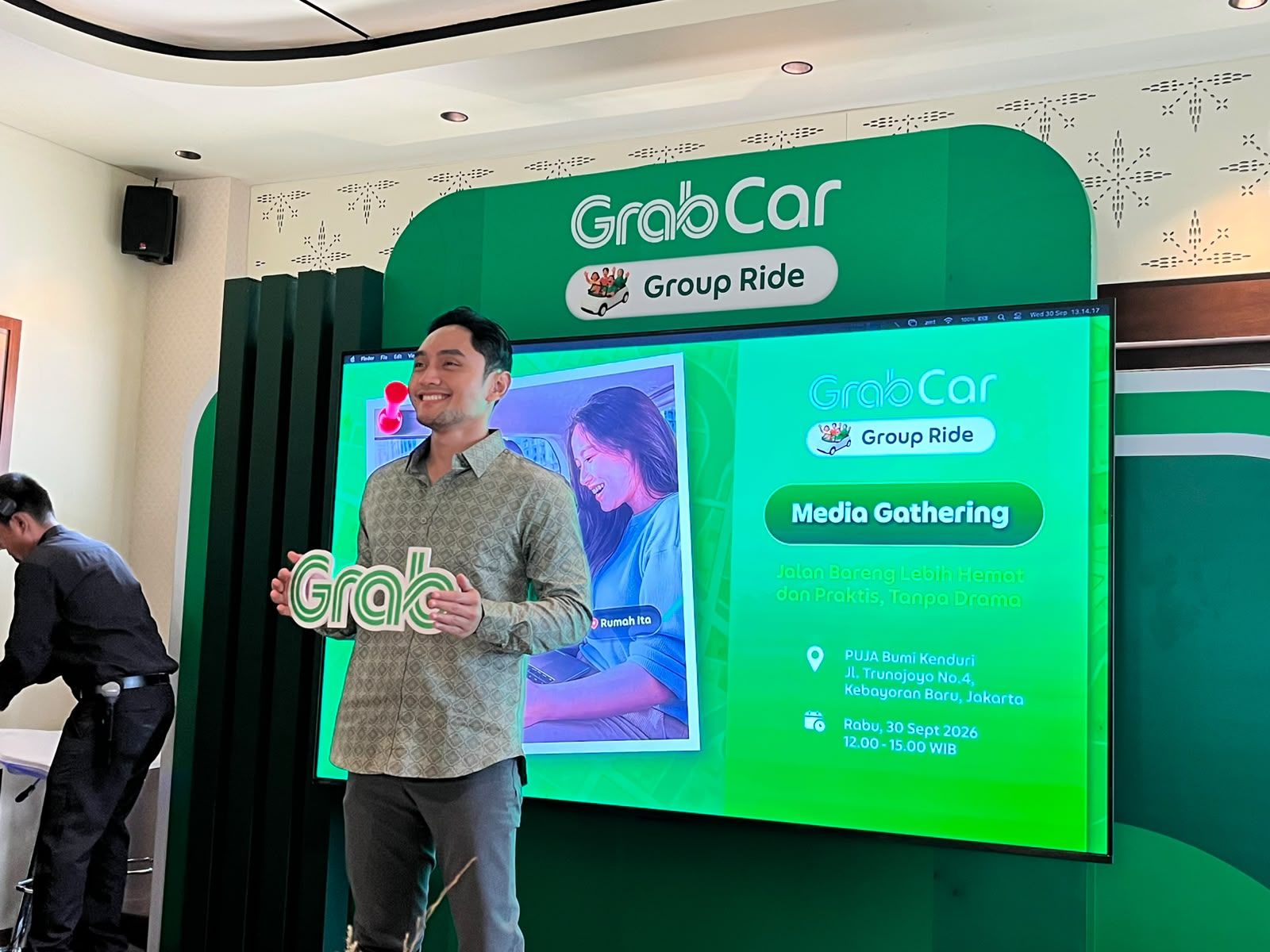
Urban commuting has always been a complex challenge in rapidly growing metropolitan areas. Millions of people navigate dense traffic daily, seeking the most efficient and comfortable ways to reach their destinations. Recently, the ride hailing industry witnessed a massive shift in how people travel together. At the center of this transformation is Grab Group Ride, a relatively new feature that has taken the Southeast Asian market, particularly Indonesia, by storm. Launched in April 2026, this service has experienced a staggering surge in popularity, growing thirty times its initial volume in just five months. This incredible growth highlights a fundamental change in consumer behavior, emphasizing cost efficiency, convenience, and the social aspects of traveling with friends or colleagues.
Understanding the Mechanics of the Service
To fully appreciate the success of Grab Group Ride, one must understand how it operates on a technical and user experience level. Previously, coordinating a single ride for multiple people with different drop off points was a logistical headache. Users often had to order separate vehicles or manually direct drivers to take convoluted routes, which usually resulted in confusion and higher fares. The developers recognized this friction and designed a streamlined, fully integrated solution.
The feature allows a single user to book a car for up to four passengers while inputting a maximum of three different pickup or drop off locations. The application algorithm automatically calculates the most efficient route by factoring in real time traffic conditions, total distance, and estimated travel time. Furthermore, the system provides flexible payment options. Passengers can choose to split the fare evenly, divide it based on the distance each person travels, or have a single person cover the entire cost upfront. This level of flexibility removes the awkwardness of manual fare division and ensures a seamless experience from the moment the car is booked until the last passenger is safely dropped off.
From Strangers to Friends
The journey toward this highly successful feature was paved with valuable lessons from previous experiments in the ride hailing sector. A few years ago, the company introduced a service that allowed strangers traveling in the same direction to share a vehicle. While the concept was economically and environmentally sound, user adoption remained lukewarm. Data and user feedback revealed a crucial cultural insight. Passengers simply did not feel entirely comfortable sharing a confined space with people they did not know.
Taking this feedback to heart, the company pivoted its strategy. Instead of grouping strangers, they optimized the technology for people who already knew each other. The result was Grab Group Ride. By focusing on social circles, colleagues, and families, the platform tapped into the natural habit of communal travel. People were already going to lunch together or leaving the office at the same time. Providing them with a dedicated, hassle free way to commute together proved to be the exact solution the market was waiting for.
The Staggering Growth Explained
Perhaps the most surprising aspect of this phenomenal growth is how organically it occurred. According to company executives, the discovery of Grab Group Ride occurred organically without massive ad campaigns or aggressive promotional pushes upon its initial release. Instead, the company opted for a quiet rollout, allowing users to discover the feature naturally while browsing the application.
The strategy paid off brilliantly. As users experienced the convenience firsthand, word of mouth became the most powerful marketing tool available. Within five months, the usage rate skyrocketed by an astonishing thirty times. This indicates that the product perfectly matched a latent consumer need. Furthermore, internal data revealed a fascinating statistic. Approximately thirty two percent of the users utilizing this service were either completely new to the platform or were dormant users who had not ordered a ride in a long time. This proves that innovative, user centric features can serve as powerful catalysts for re engaging audiences and expanding the overall customer base.
Significant Cost Savings for Daily Commuters
In an era where the cost of living continues to rise, financial efficiency is a primary concern for daily commuters. The economic benefits of sharing a vehicle are undeniable, and they form a major pillar of the service appeal, making Grab Group Ride highly attractive not just for occasional weekend outings, but as a staple method for daily office commutes. When colleagues share a single car home instead of booking three separate vehicles, the overall expenditure drops dramatically for everyone involved.
According to internal reports, over seventy three percent of these shared journeys resulted in tangible financial savings for the users. On average, commuters saved about fifty four percent compared to what they would have spent if they had booked individual rides. In some optimal scenarios, where passengers share closely aligned routes without requiring massive detours, the savings can easily reach fifty percent or more per individual. These consistent cost reductions are highly valued by consumers looking to optimize their monthly transportation budgets.
Analyzing Demographics and Usage Patterns
A closer look at the geographical data provides clear insights into where and when Grab Group Ride is most popular. Unsurprisingly, Jakarta leads the pack by a massive margin. The bustling capital city accounts for over sixty one percent of the total usage. The high concentration of office buildings, heavy traffic congestion, and a strong culture of after work socializing make Jakarta the perfect environment for shared commuting. Bali follows in second place with nearly twenty percent, likely driven by groups of tourists and locals traveling to various recreational attractions. Bandung and Surabaya also contribute significantly to the growing numbers.
When it comes to timing, the data paints a vivid picture of modern commuter lifestyles. Almost seventy percent of all shared rides occur on weekdays, cementing its status as a utility for the working class. More specifically, fifty four percent of these trips happen right after office hours. However, these post work journeys do not always lead straight home. Many groups use the service to travel together to shopping malls, restaurants, or cafes before finally heading to their respective residences. This highlights the role of the platform in facilitating social connectivity alongside basic transportation.
Impact on Urban Traffic and the Environment
Beyond the immediate benefits to individual users, the massive adoption of this feature carries significant positive implications for the broader urban environment. Major cities in Southeast Asia are notorious for crippling traffic congestion and high levels of vehicular pollution. Every time a group of three or four people chooses to share a single vehicle instead of ordering separate cars, the total number of active vehicles on the road is directly reduced.
This reduction in vehicle density helps to alleviate traffic bottlenecks, especially during peak rush hours. Furthermore, fewer cars translate directly to a decrease in carbon emissions. While it may seem like a small drop in the ocean, the cumulative effect of a thirty fold increase in shared rides over five months represents a meaningful step toward more sustainable urban mobility. Environmental experts have long argued that maximizing vehicle occupancy is one of the most effective short term strategies to combat urban air pollution. Unlike massive infrastructure projects that take decades to complete, optimizing existing vehicle usage provides immediate ecological relief. The algorithms powering these shared journeys ensure that drivers do not have to detour excessively, keeping fuel consumption optimized and unnecessary emissions to an absolute minimum.
The Future of Shared Mobility
The overwhelming success of Grab Group Ride serves as a powerful testament to the importance of understanding consumer behavior and adapting to their genuine needs. By shifting the focus from ride sharing with strangers to facilitating journeys among friends and colleagues, the company unlocked a massive avenue for massive expansion. The combination of cost savings, unparalleled convenience, and environmental benefits ensures that this method of travel will only continue to gain traction in the coming years.
As urban centers continue to expand and traffic challenges become more complex, innovative solutions like this will be crucial. The impressive milestone achieved in just five months is likely only the beginning. Furthermore, as artificial intelligence and machine learning algorithms become more sophisticated, the routing efficiency of these shared journeys will only improve. We can expect future iterations of the application to predict optimal pickup times and suggest ideal meeting points to further minimize travel time. Ride hailing platforms are no longer just connecting a driver with a passenger; they are orchestrating complex, multi stop logistical networks in real time. The remarkable success story of this particular feature provides a clear blueprint for the entire technology industry. Listen to your users, respect their social preferences, and build tools that genuinely improve their daily lives while keeping overall costs manageable.
Read More