





 Monday, 14-09-26








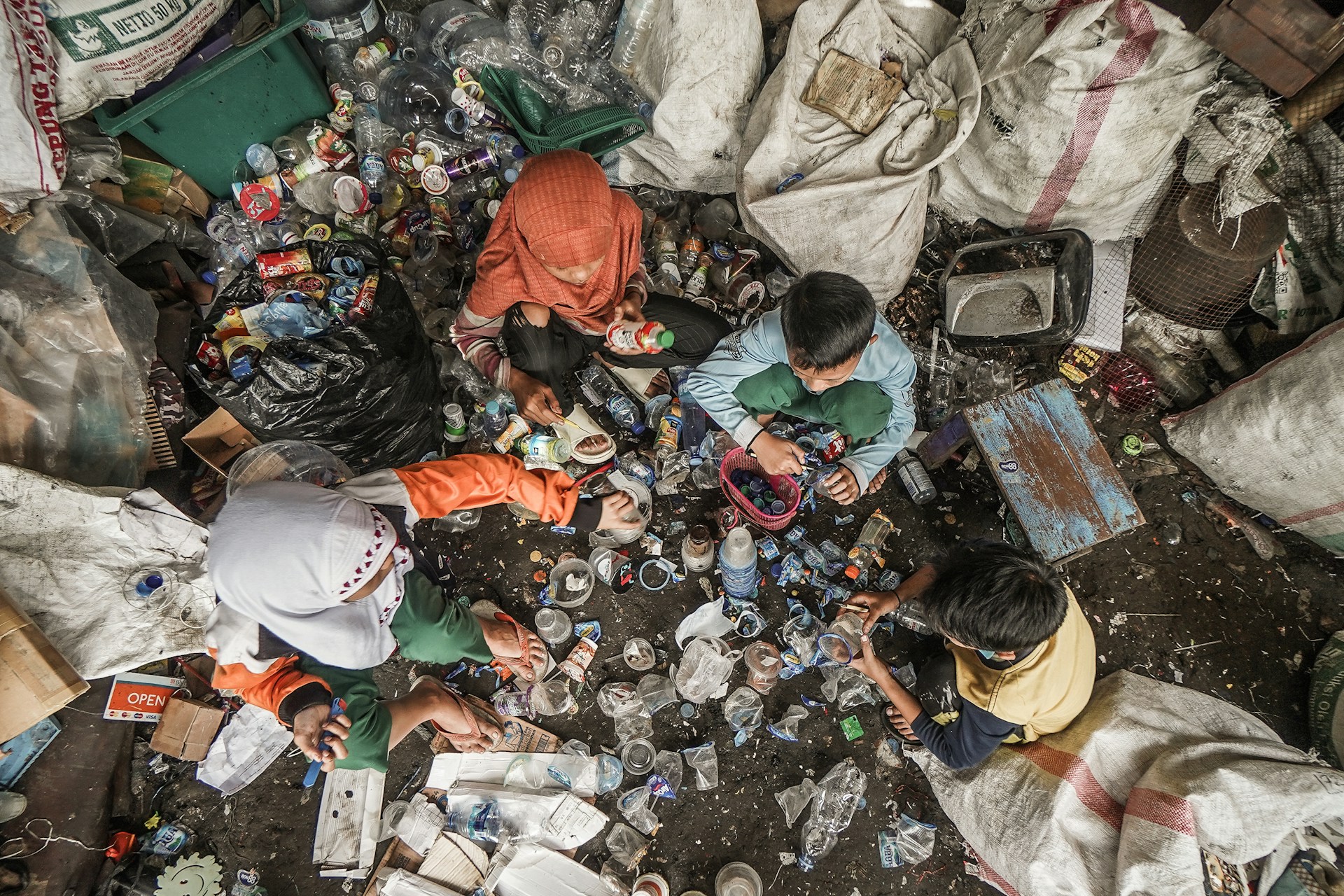
Indonesia is facing a growing waste management crisis as its landfill system moves toward maximum capacity, with projections that most of the country’s 550 landfills will be full by 2030 unless significant measures are taken.
The country generates 56.6 million tonnes of waste annually, while waste management systems continue to struggle to keep pace with rapid urbanisation and consumption growth.
Experts cited in the report describe the situation as a structural crisis involving governance limitations and rising population pressures rather than a simple cleanliness issue.
Indonesia’s population has increased to around 285 million, compared to 258 million a decade earlier, adding further pressure to existing waste infrastructure.
Bali Waste Management Rules Trigger Confusion Amid Overloaded Landfills
In Bali, new waste regulations introduced on Apr 1 require residents to separate organic and inorganic waste, aiming to reduce pressure on the island’s already strained landfill system. (01/04)
Organic waste has been restricted from Bali’s largest landfill, Suwung, which serves the densely populated and tourism-driven southern region, forcing households and businesses to adopt composting or recycling methods.
However, many residents reported confusion in adjusting to the new system, with limited clarity on collection processes and disposal alternatives.
“I am confused. But after I learned how to separate the waste, it is not even collected,” said domestic worker Kuswati in Jimbaran.
The Suwung landfill has already reached capacity, and organic waste accounts for about 65 per cent of Bali’s total waste, increasing risks of methane emissions, odour, and fire hazards when improperly managed.
Jakarta Waste Crisis Highlighted by Bantargebang Landfill Collapse
A landfill collapse at Bantargebang on Mar 8 resulted in seven deaths, including truck drivers, scavengers, and food stall workers, after heavy rain triggered a waste avalanche. (08/03)
The incident exposed the risks of overreliance on a single large landfill system, as Bantargebang receives around 7,400 to 8,000 tonnes of waste daily from Jakarta.
Following the collapse, authorities launched an investigation and reinforced plans to improve waste sorting systems and reduce mixed waste disposal.
Jakarta has since made waste sorting mandatory for residents and is preparing a refuse-derived fuel facility in North Jakarta as part of its medium-term waste strategy.
The Ciliwung River remains heavily polluted with household waste and plastic debris, contributing to recurring floods and environmental contamination.
Government Expands Waste-to-Energy Strategy to Reduce Landfill Pressure
The Indonesian government is accelerating waste-to-energy development, including five planned projects in Denpasar, Bekasi, Bogor, Bandung, and Yogyakarta, with groundbreaking targeted for June 2026 and operations expected by 2028.
Officials state that the broader programme aims to process more than 1,000 tonnes of waste per site daily and reduce landfill waste by around 33,000 tonnes per day by 2029.
Indonesia currently operates limited waste-to-energy facilities in Surabaya and Solo, though experts note that performance is constrained by insufficient waste sorting at the source.
The Solo facility, commissioned in 2023, reportedly operates at only 15 to 20 per cent capacity due to inadequate segregation of household waste.
Experts Warn Structural Reform Needed Beyond Incineration Projects
Experts cited in the article warn that waste-to-energy systems alone cannot solve Indonesia’s waste crisis due to the country’s high organic waste content and inconsistent sorting practices.
They note that incineration works best with dry, well-sorted waste, while Indonesia’s waste stream is often wet and mixed, reducing efficiency.
“It is useful as it reduces waste volume. And on the other hand, it can provide (a source of) energy,” said environmental expert Mahawan Karuniasa from the University of Indonesia.
Environmental groups argue that greater emphasis should be placed on waste sorting systems, composting, recycling infrastructure, and producer responsibility for packaging waste.
They also stress that waste management should be treated as an integrated economic and industrial policy issue, not solely an environmental concern.
PHOTO: UNSPLASH
This article was created with AI assistance.
We make every effort to ensure the accuracy of our content, some information may be incorrect or outdated. Please let us know of any corrections at [email protected].
Read More