





 Saturday, 24-10-26








Why The AI Data Center Story Matters Now
Indonesia’s latest data center wave is no longer just about cloud storage, enterprise hosting, or digital transformation in the abstract. It is increasingly about artificial intelligence, compute power, and the infrastructure needed to support both. According to the Jakarta Globe, Indonesia is lining up as much as $20 billion in data center investments, led by an Nvidia-backed AI hub in Batam. That makes the AI data center theme more than a technology story. It is now a strategic investment story as well.
The primary keyword for this article is AI data center. It fits the source story because the report centers on Firmus, Nvidia, and Batam as part of Indonesia’s broader effort to attract capital into advanced digital infrastructure. The phrase also aligns with current reporting on Batam projects, projected capacity growth, and Nvidia’s expanding role in regional AI infrastructure.
What Jakarta Globe Reported
The Jakarta Globe story says Indonesia is preparing for a major push in data center investment, with Firmus and Nvidia at the center of the momentum. The headline alone captures the direction of travel: Indonesia is not only welcoming more digital infrastructure, but actively positioning itself as a future AI infrastructure hub. That is a meaningful shift, because it suggests the country is moving from generic digital capacity toward specialized AI data center development.
Recent reporting from other outlets gives the numbers more texture. Business Times and The Straits Times reported that Firmus, together with Singapore-based DayOne, plans to develop a 360 megawatt Nvidia DSX AI Factory campus in Batam under an eight-year partnership with Nvidia. Datacenter Dynamics added that the Batam deployment could involve as many as 170,000 GPUs, with rollout expected through 2027 and 2028. Those figures show the scale is not incremental. It is industrial.
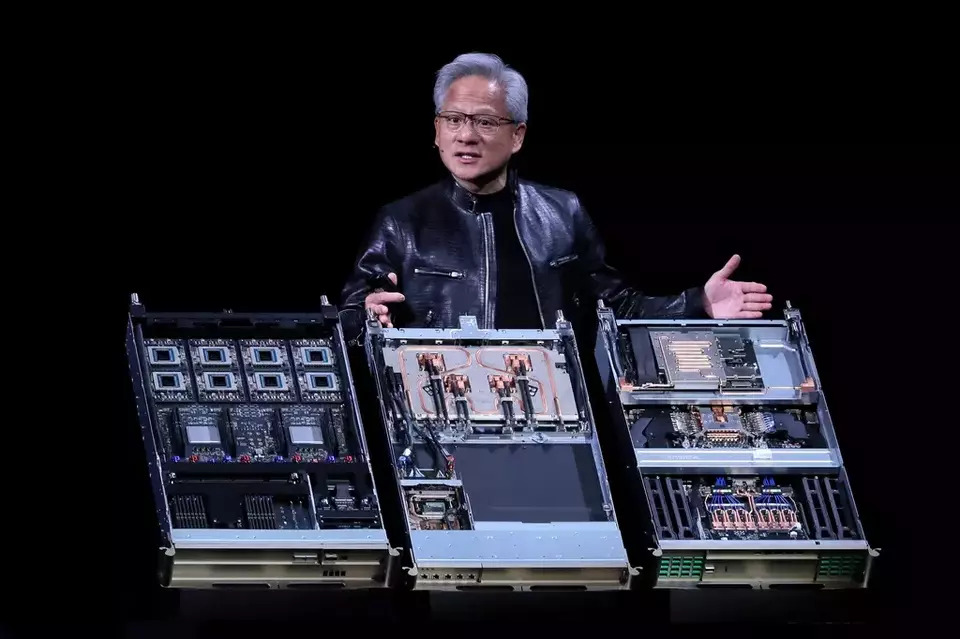
That scale matters because AI data center projects are much more demanding than conventional data center builds. They require dense power delivery, advanced cooling, robust networking, and long-term coordination with chip supply chains. Firmus itself describes its platform as built for energy efficiency, high compute density, and liquid cooling, which is exactly the type of engineering profile that modern AI infrastructure needs.
Why Batam Keeps Appearing In The Conversation
Batam is not a random location choice. It is one of Indonesia’s most strategically placed industrial areas, close to Singapore and embedded in a long-established free trade and industrial ecosystem. Multiple government and regional sources describe Batam as a major industrial hub with strong logistics advantages and proximity to international shipping lanes. That geographic position makes Batam especially attractive for an AI data center campus that needs access to regional customers, cross-border connectivity, and industrial-scale support services.
There is also a broader investment logic behind Batam. Reuters reported in June 2025 that DBS and UOB provided a $411 million loan to a DayOne and Indonesia Investment Authority data center project in Batam, describing it as the largest rupiah-denominated financing for a data center to date. The project was expected to deliver 72 megawatts across three data centers. That earlier deal matters because it shows Batam was already becoming a serious digital infrastructure zone before the current AI data center push accelerated.
The new Firmus and Nvidia plan builds on that foundation. Instead of treating Batam as merely a telecom or colocation market, investors are increasingly viewing it as a compute campus location. That is a big distinction. A compute campus is designed to host the most power-hungry and performance-sensitive workloads in the market, which is exactly where AI demand is heading.
Why Nvidia’s Role Changes The Market Signal
Nvidia is not just another name attached to the project. It is the chipmaker most closely associated with the current global AI buildout, and its involvement gives the Indonesian project a much stronger market signal. Reuters reported in late June 2026 that Nvidia and Australian firm Firmus struck a strategic partnership to provide emerging AI companies with more affordable access to computing resources. Reuters also reported in 2025 that Nvidia had already been discussed in relation to Indonesia’s AI infrastructure ambitions and broader foreign investment strategy.
This matters because AI infrastructure investors are not just buying land or power. They are buying credibility, ecosystem access, and future proofing. When a global chip leader is tied to a project, it improves the likelihood that the campus can remain relevant as GPU generations change. Firmus explicitly says its designs anticipate GPU roadmap evolution, which suggests the Batam project is being built with long term AI demand in mind rather than short term colocation demand.
There is also a financing implication. When Nvidia is associated with a project, customers and lenders tend to pay closer attention. Datacenter Dynamics reported that Firmus expects $25 billion to $30 billion in committed offtake agreements over the first six years of the deal, while Barron’s noted that Nvidia could benefit from both hardware sales and cloud service revenue. That combination makes the AI data center more than an infrastructure build. It becomes a commercial platform.
How Indonesia Fits Into The Regional AI Race
Indonesia is trying to strengthen its place in the regional AI economy. Reuters reported in July 2025 that the country was working on its first national AI strategy to attract more foreign investment and support AI infrastructure development. More recently, Reuters said Indonesia is also preparing a broader sovereign AI framework and plans to embed AI into key government programmes. Those policy moves indicate that the government sees AI capacity as a national competitiveness issue, not just a private sector trend.
That policy backdrop helps explain why the AI data center push is gaining attention now. Countries across Southeast Asia are competing for data centers, cloud platforms, and GPU infrastructure because those assets increasingly shape who gets to build, train, and deploy AI systems locally. For Indonesia, the stakes are especially high because of its market size, growing digital economy, and need to keep more value inside the country.
In practical terms, an AI data center campus can support a wider ecosystem. It can attract cloud providers, AI startups, enterprise users, systems integrators, and managed service firms. It can also encourage local talent development in electrical engineering, network operations, cloud architecture, and AI operations. That is the multiplier effect policymakers are chasing when they support a project of this scale.
The Economic Opportunity Behind The Buildout
The most important economic question is not whether Indonesia can host a data center. It clearly can. The more important question is whether it can convert infrastructure into a durable digital industry. An AI data center campus with Nvidia at the center could help do that by anchoring high value workloads, higher skilled jobs, and regional cloud demand in Indonesia rather than diverting them elsewhere.
This is also why the scale of the Firmus and DayOne project matters. Reuters has already shown that Indonesia’s projected data center capacity is growing rapidly, with the Batam campus alone representing a meaningful share of the national pipeline. If the country continues to attract similar projects, the local market could shift from capacity scarcity to capacity competition, which usually benefits users, developers, and investors alike.
Still, the opportunity comes with execution pressure. Large AI data center projects need reliable power, land, cooling, fiber connectivity, and long term customer demand. They also need a policy environment that remains stable enough for capital to commit at scale. Batam offers many of those ingredients, but delivery will determine whether the promise becomes a lasting platform.
What To Watch Next
The next phase of the story will likely revolve around deployment timing, customer commitments, power strategy, and how quickly the Batam site moves from announcement to operation. Datacenter Dynamics said the GPU rollout is expected through 2027 and 2028, which means the market is looking at a multi year execution window rather than a quick launch. That timing gives Indonesia a chance to align policy, permitting, and workforce development with the project’s buildout.
For now, the message is clear. Indonesia is not just chasing generic digital infrastructure anymore. It is trying to become a serious AI data center destination, with Batam as the front line, Firmus as the developer, and Nvidia as the technical signal that the market is watching closely. If execution matches ambition, this could be one of the most important infrastructure stories in Southeast Asia’s digital economy.
Read More