





 Sunday, 13-09-26








A Strong Week For Indonesian Equities
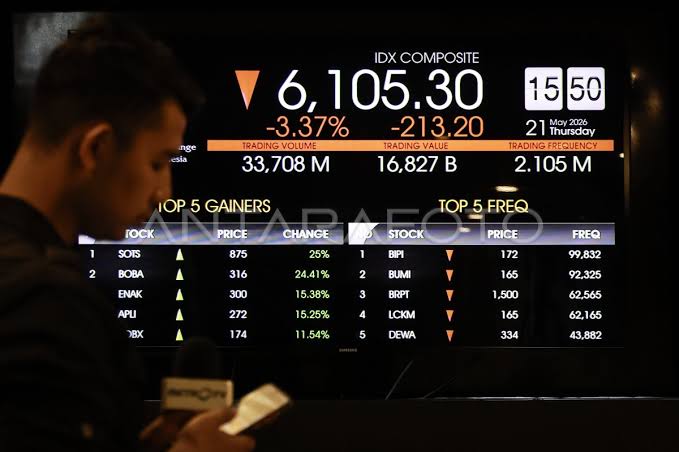
The Jakarta Composite Index delivered its strongest weekly gain in months, rising 4.24 percent over the week as investors responded positively to healthy external debt data and a steadier policy backdrop. The move came despite lingering global uncertainty, showing that domestic confidence can still matter a great deal when investors are weighing risk in Indonesia. The Jakarta Globe reported that the rally was driven by improved sentiment around debt sustainability, while market data showed the JCI also ended the final session of the week higher.
For market participants, this was not just another green week. It was a reminder that the Jakarta Composite Index is highly sensitive to confidence signals from both policymakers and credit-rating agencies. When external debt is seen as manageable and fiscal policy appears disciplined, investors are more willing to take a constructive view on Indonesian assets. That is exactly the environment that seemed to develop after the latest debt release and the reaffirmation of Indonesia’s sovereign rating.
Why The Debt Data Mattered So Much
Bank Indonesia said Indonesia’s external debt stood at USD 444.4 billion in May 2026, with annual growth at 2.1 percent, a slight acceleration from April. The central bank also said the external debt-to-GDP ratio remained at 29.9 percent and described the structure of the debt as sound, with long-term obligations dominating the total. In the same release, BI said the government continued to manage external debt prudently and flexibly, while keeping financing focused on productive sectors.
Those details mattered because markets rarely react to debt figures in isolation. They react to whether the numbers look stable, whether the debt is financing productive spending, and whether policy institutions appear in control. BI noted that government external debt in May reached USD 217.3 billion and that inflows to international government securities reflected investor confidence in Indonesia’s economic outlook. That is the kind of language equity investors like to hear after a stretch of market anxiety.
Private external debt also continued to shrink slightly, which helped reinforce the impression that Indonesia’s debt profile remains manageable rather than strained. BI said private external debt fell to USD 195.9 billion and that the overall structure remained healthy, with long-term debt accounting for 83.9 percent of total external debt. For investors watching the Jakarta Composite Index, that combination of manageable leverage and longer maturities helped reduce fear around near-term financing pressure.
S&P’s Reaffirmation Helped Reset Sentiment
The credit backdrop improved further when S&P Global Ratings reaffirmed Indonesia’s BBB/A-2 rating with a stable outlook on July 13, 2026. Reuters reported that S&P viewed recent fiscal strains as temporary and said they could be offset by stronger commodity prices and spending adjustments. The agency also pointed to Indonesia’s relatively light government and external debt burdens, along with expectations that revenue could recover as resource-sector receipts improve.
That message matters for the Jakarta Composite Index because credit ratings influence the cost of capital, foreign portfolio flows, and the way international investors frame country risk. S&P also said the government’s 3 percent annual deficit ceiling remains an important policy anchor. In practical terms, that tells the market that fiscal discipline is still part of the official policy framework, even if concerns about spending and governance have not completely disappeared.
The government and Bank Indonesia welcomed the S&P decision as a sign of investor confidence. Reuters reported that BI officials even said the rupiah had room to strengthen if confidence kept improving. That is important because a more stable currency often supports equity sentiment, especially in markets like Indonesia where foreign investors remain sensitive to both macro policy and external financing conditions.
From Earlier Anxiety To A Better Risk Mood
The recent rally also looks more meaningful when placed against the market’s earlier discomfort. Reuters reported in February and June that Moody’s and Fitch had both cut or lowered Indonesia’s outlook to negative, citing governance concerns, reduced policy predictability, and investor unease over fiscal direction. Reuters also noted that the MSCI warning earlier this year shook the market and intensified scrutiny of trading transparency and market structure.
That earlier strain helps explain why a relatively positive debt readout could trigger such a noticeable equity response. When sentiment has been fragile, investors do not need a dramatic policy shift to change direction. Sometimes they only need confirmation that the worst fears were overstated. In this case, the combination of manageable external debt, a stable sovereign rating, and a better tone from policymakers was enough to pull the Jakarta Composite Index higher. This is an inference based on the sequence of reports and market reaction.
What The Weekly Gain Says About Market Behavior
The Jakarta Composite Index climbed 4.24 percent for the week, which is a strong move by any regional standard and especially notable after a period of caution. Reuters has previously described Indonesian equities as having been under pressure from governance concerns and global volatility, so a week like this signals that investors are still willing to reprice risk quickly when the news flow improves. The rally did not happen in a vacuum. It came after a period in which the market had been on edge and highly attentive to debt and policy headlines.
The JCI also closed higher on the final session of the week, with local market reports showing a gain of 1.10 percent on July 17 and a close around 6,108.21. That may look modest compared with the weekly percentage gain, but it matters because it shows the rally was sustained rather than being a one-day bounce. Investors were still buying into the market after the debt headline had already been absorbed.
Why This Matters For Investors
For domestic investors, the message is that the Jakarta Composite Index still responds strongly to credibility signals. When debt data are stable and rating agencies avoid negative surprises, equities tend to breathe easier. That can improve appetite for banks, consumer names, industrial plays, and other cyclical sectors that usually benefit when the market feels less defensive. The actual sector winners may vary, but the mechanism is the same: lower perceived risk tends to support broader equity participation. This paragraph reflects a market inference from the cited sources.
For foreign investors, the key issue is whether Indonesia can maintain a manageable external financing profile while keeping fiscal policy credible. BI’s debt data and S&P’s stable outlook both help on that front. If those conditions hold, the Jakarta Composite Index is more likely to attract selective inflows, especially when global investors are searching for emerging-market exposure that is not excessively stretched on valuation or macro risk. That interpretation follows from the reports on debt, ratings, and investor sentiment.
What To Watch Next
The next few weeks will matter because sentiment can reverse quickly if the data stop cooperating. Investors will likely watch the next external debt update from Bank Indonesia, the tone of fiscal communication from the government, and any fresh commentary from rating agencies. They will also keep an eye on the rupiah, since currency weakness can quickly spill into equity risk premiums and bond yields. Reuters has already shown that Indonesia’s markets have been sensitive to these cross-currents.
The broader takeaway is that the Jakarta Composite Index is not moving only on corporate earnings or day-to-day trading noise. It is reacting to a larger confidence cycle, one shaped by external debt, policy discipline, and how convincingly authorities reassure the market. This week’s gain suggests that investors were willing to believe the improving version of that story. Whether the momentum lasts will depend on whether the next data points keep supporting it.
Read More