





 Friday, 23-10-26








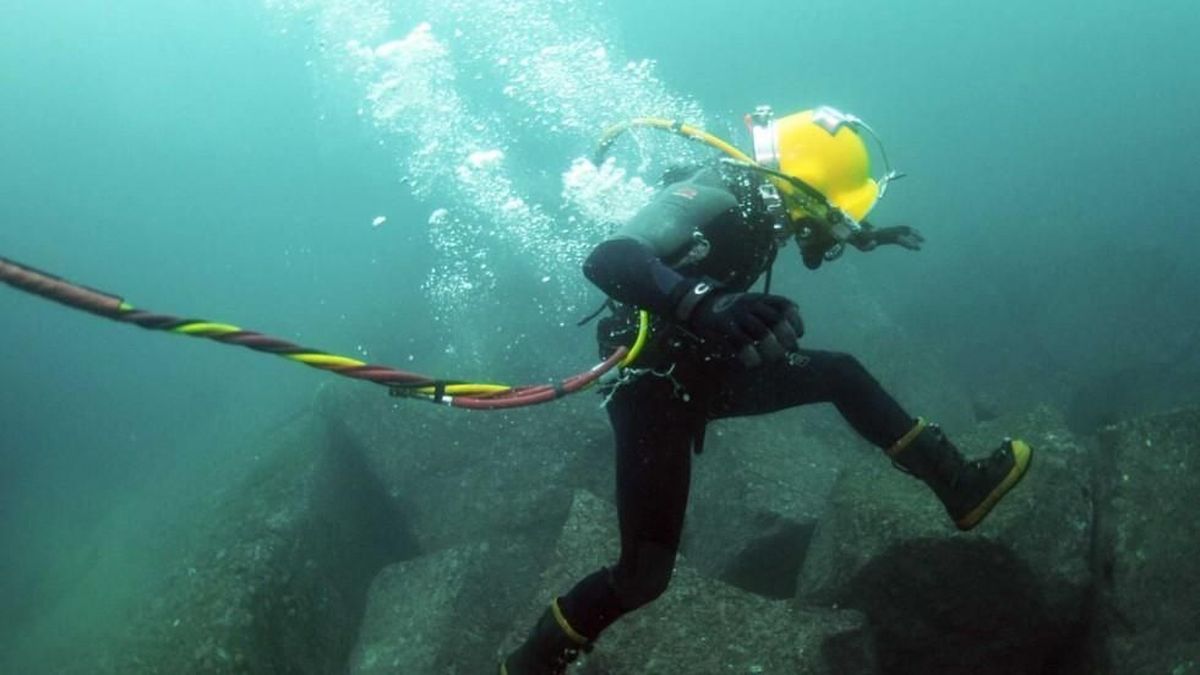
The recent volcanic activity recorded at Mount Anak Krakatau in the Sunda Strait raised immediate concerns across Indonesia's digital communications sector. As one of the region's most active volcanic landmasses, any significant subsea eruption or underwater tremor possesses the potential to impact physical marine telecommunications infrastructure. However, the Indonesian Subsea Cable Communication System Association, known locally as Askalsi, officially confirmed that national internet traffic and submarine optical networks remain entirely secure. Following rigorous telemetry checks and real-time monitoring of underwater corridors, telecommunication operators reported normal signal performance across crucial bandwidth pathways. Following recent volcanic activity in the Sunda Strait, concerns naturally arose regarding the safety of the Anak Krakatau subsea cable corridors that power major national digital connections.
Understanding the Volcanic Threat to Underwater Fiber Networks
Submarine fiber optic cables represent the unseen foundation of global connectivity, transmitting more than 95 percent of international data traffic and linking regional networks across island territories. In an archipelago nation like Indonesia, underwater cabling is indispensable for bridging geographical divides, transferring massive volumes of data between population centers, and maintaining enterprise operations. However, placing physical infrastructure on the ocean bed exposes high-capacity optical fiber to persistent environmental hazards, particularly within geologically active zones along the Pacific Ring of Fire.
Volcanic eruptions introduce several hazards to subsea connectivity networks. Beyond the physical impact of eruptive explosions, volcanic events frequently trigger underwater sediment displacement known as turbidity currents. These high-speed mud and rock currents rush down submarine slopes, exerting extreme kinetic forces capable of severing heavy steel-armored cables resting on or buried within the seabed. Additionally, seismic activity can alter seafloor topography, exposing previously buried lines to open water currents or mechanical abrasion. Thermal bursts near underwater vents also threaten the protective polymer layers insulating delicate glass strands. Because seabed movement caused by volcanic collapses can slice fiber strands, every Anak Krakatau subsea cable segment is monitored using modern optical time-domain reflectometers to detect micro-strains before catastrophic failure occurs.
Askalsi Assessment and Operational Status in the Sunda Strait
Immediately following reports of heightened eruptive activity at Mount Anak Krakatau, technical teams operating under Askalsi initiated comprehensive network diagnostics. Their primary objective was evaluating the operational integrity of physical infrastructure crossing the Sunda Strait, the strategic waterway dividing the islands of Java and Sumatra. This narrow maritime corridor hosts multiple subsea cable routes carrying immense daily internet traffic, supporting financial systems, cloud platforms, public services, and mobile networks.
Askalsi confirmed that all monitoring equipment and physical landing points surrounding the Anak Krakatau subsea cable routes showed normal status indicators. Telemetry data collected from various subsea sensing stations indicated that light signals continued to travel at peak efficiency without unexpected signal loss or attenuation. Cable landing facilities on both shores, including key operational sites in Banten and Lampung, reported stable electrical and optical parameters. Network engineers observed zero structural displacement or physical anomalies along primary seafloor pathways. Consequently, internet service providers across the country maintained uninterrupted service delivery without needing to activate emergency bandwidth throttling or complex manual rerouting procedures.
How Subsea Cable Infrastructure Withstands Natural Disasters
Modern subsea fiber cables are engineered to endure extreme underwater environments through multi-layered mechanical construction. At the core of every subsea cable are hair-thin glass strands designed for high-speed laser transmission. Surrounding these delicate optical elements are multiple protective barriers, including copper power conductors, high-tensile steel wire strands, water-blocking petroleum compounds, and a durable outer layer of high-density polyethylene.
In shallow coastal regions or geologically sensitive areas, marine deployment teams apply specialized engineering safeguards:
- Heavy Armored Sheathing: Cables laid near dynamic coastlines or volcanic channels utilize double layers of heavy steel wire armor to resist abrasion, physical pressure, and unexpected impact.
- Seabed Burial Procedures: Specialized cable ships utilize underwater plows and high-pressure water jets to bury lines several meters beneath the seabed, isolating them from turbidity currents, surface movement, and marine traffic.
- Strategic Slack Routing: During deployment, engineers build controlled geometric slack into the cable design along unstable slopes, allowing the physical line to accommodate minor ground displacement without snapping.
- Automated Optical Diagnostics: Continuous surveillance systems pass test pulses along optical channels, instantly highlighting microscopic mechanical pressure or shifting temperature profiles.
Maintaining the stability of each Anak Krakatau subsea cable line is vital due to the immense volume of data traveling between Java and Sumatra. Through these combined physical and digital safeguards, underwater communication lines absorb localized geological shifts without experiencing downtime.
Strategic Importance of the Sunda Strait Telecommunications Corridor
The Sunda Strait serves as one of the most vital telecommunication and trade corridors in Southeast Asia. Connecting the Java Sea to the Indian Ocean, this channel forms a natural gateway linking Western Indonesia with Eastern regions and major international connectivity hubs located in Singapore. High-capacity subsea lines crossing this narrow body of water represent the main digital bridge between Jakarta, the central economic hub, and Sumatra, an island essential to national industrial and agricultural production.
A catastrophic disruption within the Sunda Strait corridor could create significant national digital bottlenecks. Rerouting traffic around major physical breaks requires redirecting data onto alternative pathways, which can increase transmission latency and place heavy loads on secondary terrestrial networks. Fortunately, Indonesia's overall network topology incorporates strong geographic redundancy. Network traffic can automatically re-route through northern maritime channels or overland terrestrial fiber routes across Sumatra and Java if a physical fault develops in the strait.
The overall stability demonstrated during this recent volcanic event highlights the value of proactive physical maintenance and coordinated monitoring guidelines managed by industry groups like Askalsi. By maintaining constant surveillance over sensitive sea passages, telecommunications providers ensure that critical digital infrastructure remains operational despite unpredictable natural phenomena.
Future Resilience Strategies for Underwater Communication Lines
As regional data consumption continues to expand driven by cloud computing, digital commerce, and expanded mobile access, safeguarding subsea networks against natural hazards remains a top industry priority. Infrastructure operators and engineering consortiums are continuously evaluating advanced installation techniques and real-time sensing technologies to enhance system resilience across active volcanic zones.
Looking ahead, telecom consortiums plan to implement deeper trenching procedures for any future Anak Krakatau subsea cable installation. Furthermore, regional planners are studying the integration of SMART cable systems (Science Monitoring And Reliable Telecommunications). SMART cables integrate environmental sensors directly into subsea repeaters, allowing communication lines to double as real-time seismic and oceanographic monitoring networks. By gathering acoustic, pressure, and thermal data directly from the ocean floor, operators can detect volcanic shifts earlier and safeguard critical digital infrastructure before physical damage occurs.
Through real-time telemetry and continuous surveillance, the Anak Krakatau subsea cable network remains safe, keeping Indonesia connected. Industry collaboration, advanced marine engineering, and active surveillance continue to keep the nation's digital communications secure against the power of nature.
Read More