


 Wednesday, 21-10-26


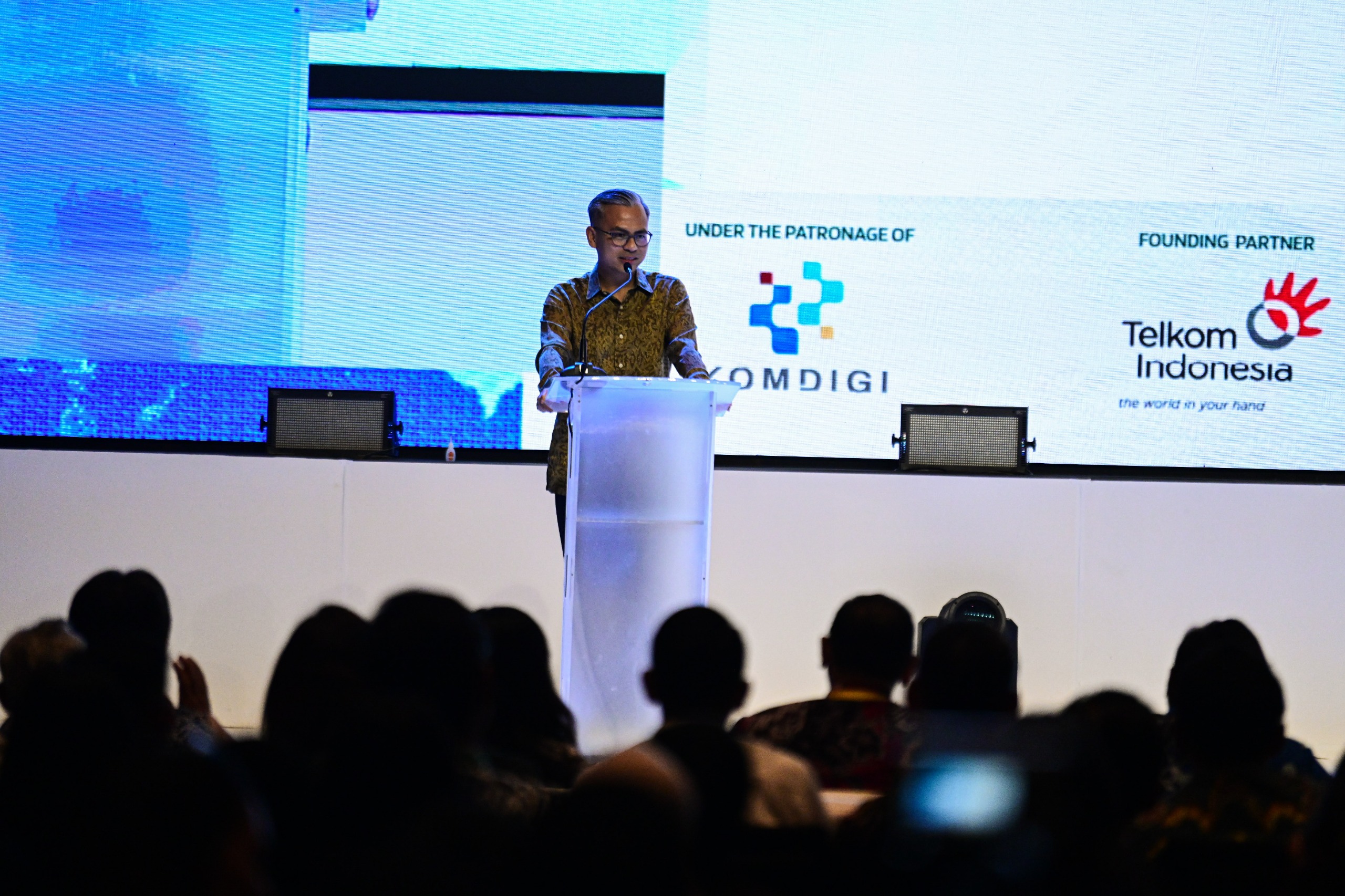
Indonesia and Malaysia have discussed strengthening regulations and protection mechanisms to improve child online safety, with a focus on digital platform responsibilities and age verification. The discussion took place during the second day of Bali Tech Week 2026 in Denpasar, Bali, on Tuesday (20/10).
Indonesia’s Minister of Communication and Digital Affairs Meutya Hafid met with Malaysia’s Minister of Communications Fahmi Fadzil to discuss regulatory approaches that would help people use digital technology more safely, particularly children.
Indonesia and Malaysia Discuss Child Online Safety
Meutya said expanding digital connectivity must be accompanied by the government’s responsibility to protect the public, especially children, when using the internet.
She explained that governments must not only expand digital access but also ensure that access is safe, responsible, and appropriate for the needs of different generations.
The Ministry of Communication and Digital Affairs has three main pillars guiding its digital transformation programs: Connected, Growing, and Protected. Meutya said the three pillars aim to ensure that improved connectivity supports economic growth while protecting people in the digital environment.
"These three pillars are equally important. Therefore, we cannot choose to focus on just one of them," Meutya said.
She also highlighted the importance of cooperation between Indonesia and Malaysia in addressing child safety in the digital space. Both countries share geographic proximity and a common aspiration to build a safer digital environment for future generations.
"Children's safety in the digital world is a very important issue for both countries. Indonesia and Malaysia have close ties, not only because of our geographic proximity but also because of our shared aspirations to build a future for the next generation," she said.
Indonesia's PP TUNAS and Malaysia's Online Safety Act
Fahmi said Malaysia has a regulatory approach that aligns with Indonesia's efforts to strengthen child protection online. Malaysia has implemented the Online Safety Act (ONSA), which includes a Child Protection Code.
He said child protection is an important part of building a safe and sustainable digital economy. ASEAN's population of nearly 700 million people and combined gross domestic product of approximately US$1.6 trillion to US$1.8 trillion highlight the shared interest of countries in the region in ensuring people can benefit from the digital economy safely.
"To truly benefit from the digital economy, we need to make this economic ecosystem safer. These efforts must begin by ensuring that our children are better protected, particularly when they are in the digital space," Fahmi said.
Fahmi welcomed Indonesia's efforts under Government Regulation No. 17 of 2025 on the Governance of Electronic System Implementation for Child Protection, known as PP TUNAS. He also highlighted Indonesia's dialogue with major technology companies to ensure platforms take responsibility for user safety.
He said exchanging experiences and policies gives governments across ASEAN an opportunity to learn from one another.
"I think it is very good if many ASEAN countries take similar steps. Looking at the progress Indonesia has made, the various discussions we have held, and how we work together with major technology companies, I feel very pleased and optimistic. This is a very good effort by Indonesia," he said.
Malaysia Considers Age Verification for Child Online Safety
Malaysia is considering introducing age verification mechanisms to strengthen child protection in the digital space, Fahmi said.
The proposal follows an evaluation of age restrictions, which children may still find ways to circumvent.
"We are not only considering age restrictions, because Australia's experience shows that children can sometimes still find ways to circumvent these mechanisms. Therefore, we will move towards age verification," Fahmi said.
The Malaysian government is currently discussing the implementation of the proposed mechanism with technology companies.
Fahmi stressed that understanding the regulations is not enough. Digital platforms must comply with applicable rules and fulfill their responsibilities to protect children who use their services.
Indonesia-Malaysia Cooperation on ASEAN Digital Safety
The shared concerns of Indonesia and Malaysia provide an opportunity to strengthen cooperation on child protection across ASEAN.
The two countries discussed regulatory approaches, engagement with digital platforms, and protection mechanisms to help create a safer digital environment. Their exchange of experiences and policies also provides an opportunity for countries in the region to learn from one another.
Meutya emphasized that digital connectivity must support economic growth while ensuring public safety. Fahmi, meanwhile, highlighted the importance of protecting children as part of efforts to build a safe and sustainable digital economy.
PHOTO: MINISTRY OF COMMUNICATION AND DIGITAL AFFAIRS
This article was created with AI assistance.
We make every effort to ensure the accuracy of our content, some information may be incorrect or outdated. Please let us know of any corrections at [email protected].
Read More