





 Friday, 23-10-26








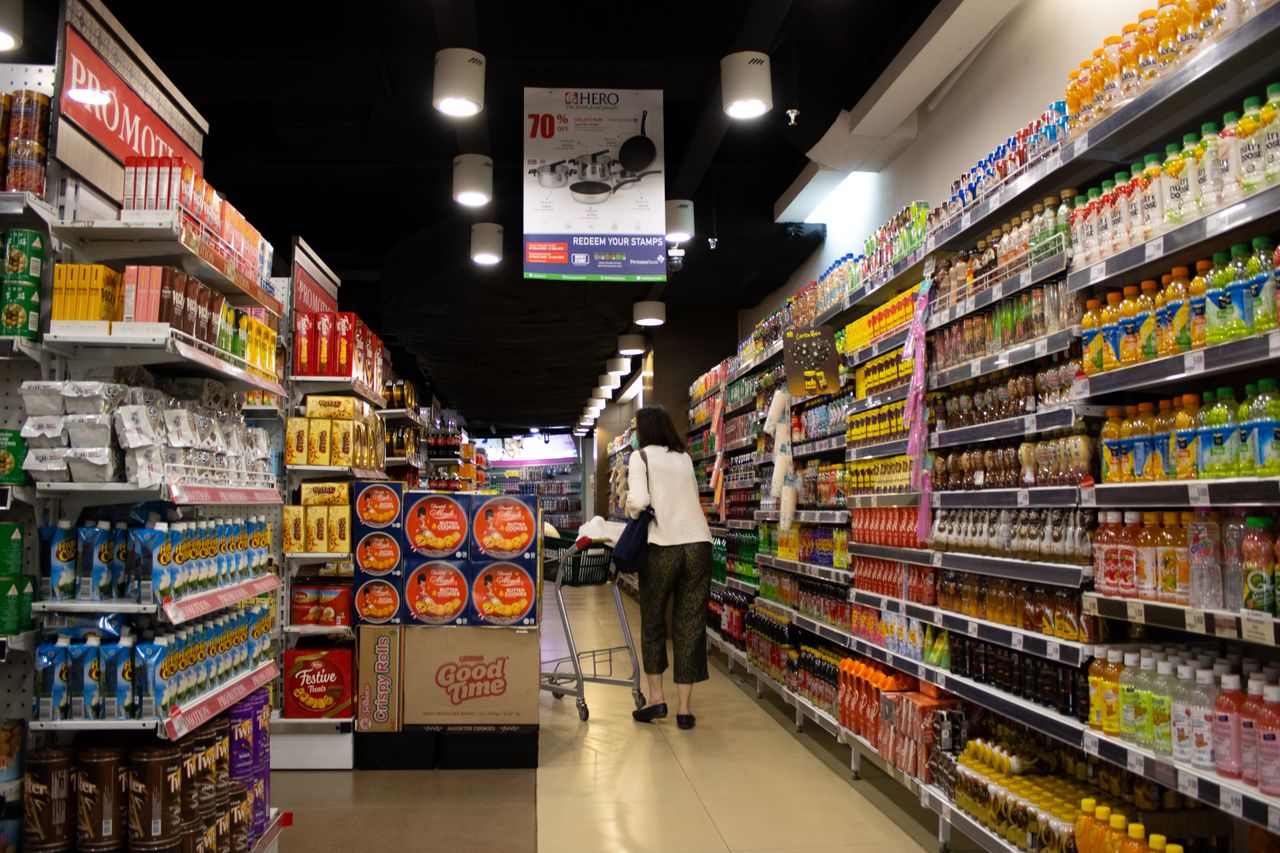
Indonesia’s Ministry of Industry (Kemenperin) is strengthening the transformation of the food and beverage industry through resource efficiency, technology use, resource optimization, and sustainable production processes (02/09).
Industry Minister Agus Gumiwang Kartasasmita said the food and beverage industry has a strategic position because it is widely connected to various economic sectors and meets people’s daily needs.
He said improving efficiency, productivity, and energy sustainability is important to ensure the food and beverage industry continues to grow and remain competitive amid changes in production costs and resource use, including water and energy.
“We continue to strengthen the food and beverage industry so that it becomes more productive, innovative, efficient, and competitive. Technology transformation is an important part of ensuring that the industry can increase productivity while using resources more efficiently and responsibly,” Agus said in a statement in Jakarta on Wednesday (02/09).
Food and Beverage Industry Posts 6.77 Percent Growth
The strengthening of the industry comes as the food and beverage sector continues to record positive growth.
In the first half of 2026, the food and beverage industry recorded gross domestic product growth of 6.77 percent and contributed 41.86 percent to the non-oil and gas manufacturing industry.
The industry has broad links across the upstream and downstream sectors, including farmers, livestock producers, fishermen, raw material suppliers, logistics operators, small and medium industries, and consumers.
This broad connection gives the food and beverage industry a wide impact on economic activity, including supporting the performance of related sectors and creating jobs.
Machinery Program Supports Food and Beverage Industry Modernization
Kemenperin is continuing to promote resource efficiency, including the use of water and energy in production processes, to strengthen the industry’s competitiveness.
The ministry said the use of resource-efficient technology can help increase productivity and support sustainable production processes.
To support industrial technology transformation, Kemenperin provides the Machinery and/or Equipment Restructuring Program for the agro-industrial sector, including the food and beverage industry.
The program provides assistance covering part of the purchase price of machinery and/or equipment for industrial companies seeking to modernize their production technology.
The facility covers up to 35 percent for domestically produced machinery with a Domestic Component Level (TKDN) certificate of at least 25 percent. It covers 25 percent for domestically produced machinery and 15 percent for machinery not produced domestically.
The program opened in late August 2026, with quotas allocated based on the order of applications that meet the requirements.
Resource Efficiency Supports Sustainable Production
Acting Director General of Agro Industry Putu Juli Ardika said resource efficiency is an important part of industrial transformation and needs to be carried out continuously.
“More efficient technology provides double benefits for industry. On the one hand, it can increase productivity and production process efficiency; on the other hand, it helps the responsible use of resources. Therefore, we continue to strengthen industrial access to programs and facilities that can accelerate technology modernization,” Putu said.
In addition to modernizing machinery and equipment, Kemenperin is strengthening more efficient production practices through optimizing water and energy use, conserving resources, and using more environmentally friendly technologies.
The measures are expected to become part of the industry’s transformation toward production processes that are increasingly productive and sustainable.
The government is also strengthening communication and coordination between the central government, regional governments, and businesses so that industrial policies can remain balanced with regional development needs, environmental sustainability, and business certainty and competitiveness.
PHOTO: PEXELS
This article was created with AI assistance.
We make every effort to ensure the accuracy of our content, some information may be incorrect or outdated. Please let us know of any corrections at [email protected].
Read More