





 Friday, 23-10-26








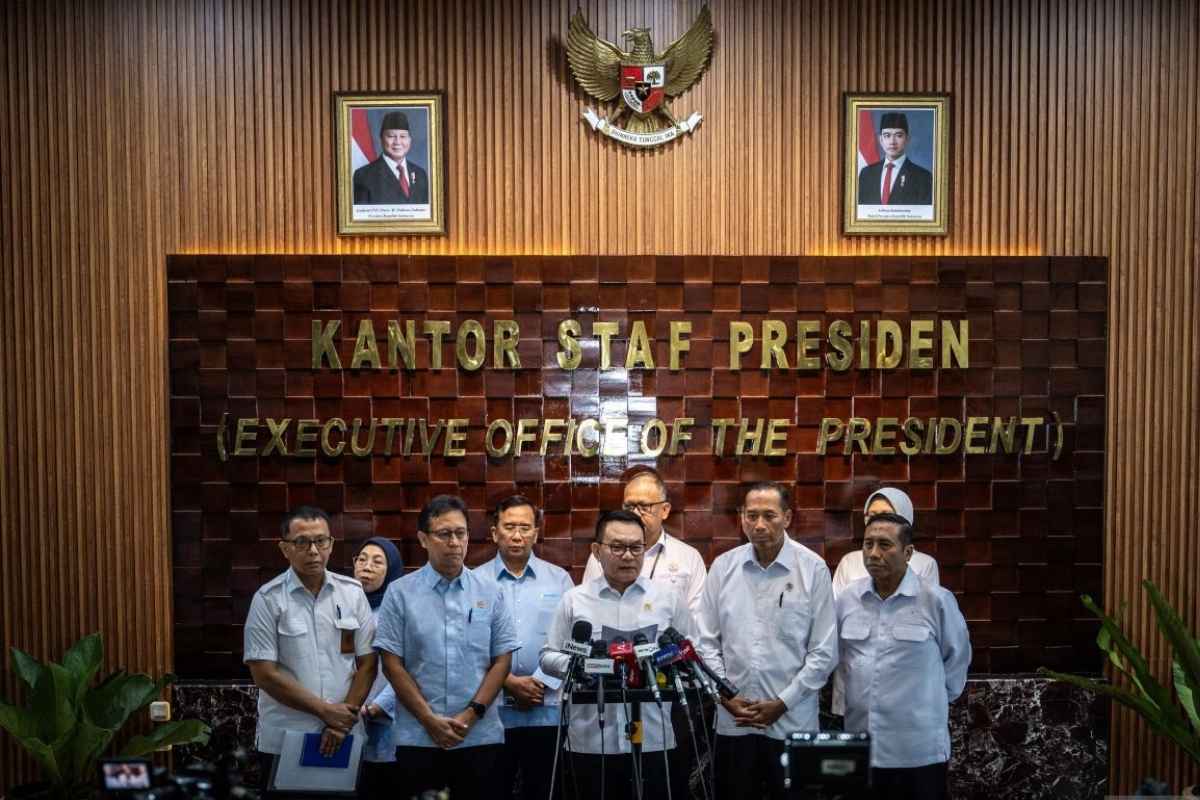
For decades, access to specialized medical treatment in Indonesia has remained heavily unbalanced, creating severe disparities between major urban hubs on Java and remote communities across the vast archipelago. The persistent Indonesia specialist doctor shortage has long hampered healthcare delivery, leaving millions of citizens without timely care for complex conditions such as cardiovascular diseases, oncology, pediatric complications, and neurological disorders. In a decisive move to bridge this chronic gap, the Indonesian government recently issued operational permits for 25 new hospital-based Specialist Medical Education Programs, officially known as Program Pendidikan Dokter Spesialis. This initiative represents a milestone in the national effort to modernize medical training and guarantee equitable healthcare distribution across all provinces.
The formal approval of these 25 programs followed high-level deliberations led by the Executive Office of the President, alongside the Ministry of Health, the Ministry of Higher Education, Science, and Technology, and the Coordinating Ministry for Human Development and Cultural Affairs. Operating directly within Main Teaching Hospitals, these new training pathways aim to accelerate the production of highly qualified specialist physicians. By tackling long-standing bureaucratic delays and financial barriers, the government is creating a sustainable framework designed to expand medical residency capacity while preserving rigorous national and international accreditation standards.
Understanding the Scale of the Indonesia Specialist Doctor Shortage
To comprehend the necessity of these structural reforms, one must examine the staggering deficit in Indonesia's medical workforce. Current government data highlights an overall deficit of 268,073 medical specialists across the nation. To meet minimum public health standards and populate regional medical centers, the healthcare system urgently requires an influx of at least 55,712 new specialist doctors. These professionals are desperately needed across 481 regencies and cities, particularly in frontier, outermost, and disadvantaged areas, commonly referred to as the 3T regions.
The consequences of this shortfall are profound. Patients living in remote island provinces or rural inland districts often travel hundreds of kilometers or wait several months to consult a single cardiologist, surgeon, or obstetrician. In critical health emergencies, such delays can lead to preventable fatalities. The chronic Indonesia specialist doctor shortage has also placed immense pressure on existing general practitioners and regional public hospitals, which frequently operate without the specialized personnel necessary to handle advanced medical procedures. By expanding specialist education capacity, the government aims to systematically alleviate this structural bottleneck and build a more resilient healthcare architecture.
The Dual-Pathway Education Model: Universities and Main Teaching Hospitals
Historically, specialist medical education in Indonesia relied almost exclusively on university-based medical faculties. While university programs have maintained high academic standards, their limited capacity proved insufficient to produce the volume of specialists required by a growing population of over 275 million people. Recognizing this limitation, health authorities introduced a dual-pathway model that combines traditional university-based education with hospital-based residency programs.
With the addition of the 25 hospital-based operational permits approved in late August 2026, the total number of approved specialist training programs across Indonesia has reached 185 for the year. This follows the approval of 160 university-based specialist programs earlier in February 2026. Hospital-based programs operate directly within Main Teaching Hospitals, known locally as Rumah Sakit Pendidikan Penyelenggara Utama. This approach aligns Indonesia with global standards utilized in countries such as the United States, the United Kingdom, and Japan, where public teaching hospitals serve as primary hubs for medical specialization. Both pathways maintain equivalent legal standing and strict accreditation frameworks, ensuring that graduates from either stream possess equal clinical competencies and professional qualifications.
Removing Bureaucratic Bottlenecks to Accelerate Medical Training
The implementation of hospital-based specialist training required overcoming years of institutional friction and regulatory gridlock. Previously, conflicting mandates between higher education authorities and health administration bodies restricted teaching hospitals from independently conferring specialist credentials. Recognizing that traditional bureaucratic frameworks were slowing down workforce development, the Executive Office of the President intervened to streamline inter-agency coordination.
Over an intensive two-month period, inter-ministerial task forces systematically resolved regulatory inconsistencies, aligned accreditation guidelines, and established clear legal foundations for hospital-based training. Presidential directives emphasized that addressing the national health crisis requires swift administrative action rather than protracted procedural debates. By establishing clear operational protocols, the government cleared the path for accredited Main Teaching Hospitals to welcome specialist trainees, thereby unlocking significant institutional capacity that had previously remained underutilized.
Affordability and Resource Sharing in Hospital-Based Training
Beyond structural capacity, financial accessibility has historically posed a significant barrier for aspiring specialist doctors. Traditional university residency programs often entailed hefty tuition fees, overhead costs, and financial strain on trainees who were simultaneously providing clinical labor without adequate remuneration. To address this financial hurdle, the government established a standardized, low-cost tuition structure for hospital-based specialist programs at Main Teaching Hospitals.
Under the new regulatory framework, tuition fees for trainees enrolled in surgical specialist programs are capped at Rp 2 million per semester, while trainees in non-surgical specializations pay Rp 1.5 million per semester. This drastic reduction in financial burden opens the door for talented medical graduates from diverse socioeconomic backgrounds. Furthermore, the program incorporates an innovative resource-sharing mechanism for medical educators. Senior clinical attending physicians can continue their daily patient care duties at their home hospitals while simultaneously serving as recognized non-permanent faculty members for specialist trainees. This operational synergy ensures that patient services remain uninterrupted while clinical instruction takes place directly at the bedside.
Strategic Distribution Across Remote and Outer Regions
Accelerating the graduation of new specialists is only half the battle; ensuring their equitable distribution across the archipelago is equally vital. For decades, specialist doctors concentrated heavily in major metropolitan centers, driven by superior infrastructure, higher income potential, and better lifestyle amenities. To correct this regional imbalance, the expanded specialist education framework incorporates targeted recruitment and mandatory post-graduation service agreements focused on underserved regions.
The 55,712 newly targeted specialists are slated for deployment across 481 regencies and cities, with priority given to regional public hospitals outside Java and in remote eastern Indonesia. By training specialists directly within regional teaching networks and offering structured career incentives, the government aims to retain healthcare talent in areas that have historically lacked essential services. Resolving the Indonesia specialist doctor shortage in rural districts directly enhances primary care referral systems, shortens patient transfer times, and improves health outcomes for vulnerable populations.
Long-Term Impact on National Healthcare Delivery
The expansion of hospital-based specialist education marks a transformative shift in Indonesia's public health trajectory. By tackling the root causes of medical workforce deficits, the government is laying a solid foundation for universal healthcare coverage that goes beyond basic primary care to encompass specialized, high-tech treatments. Over time, an expanded pool of cardiologists, oncologists, pediatricians, and general surgeons will significantly reduce patient wait times and elevate standard-of-care metrics across regional facilities.
Furthermore, this reform supports broader national economic objectives. A robust, healthy population drives economic productivity, while an efficient domestic healthcare system reduces the multi-billion-dollar outflow of Indonesian patients seeking medical treatment abroad each year. Through sustained policy commitment, inter-ministerial collaboration, and rigorous educational standards, Indonesia is positioning itself to effectively end the Indonesia specialist doctor shortage and deliver high-quality, accessible healthcare to every citizen across the nation.
Read More