





 Friday, 23-10-26








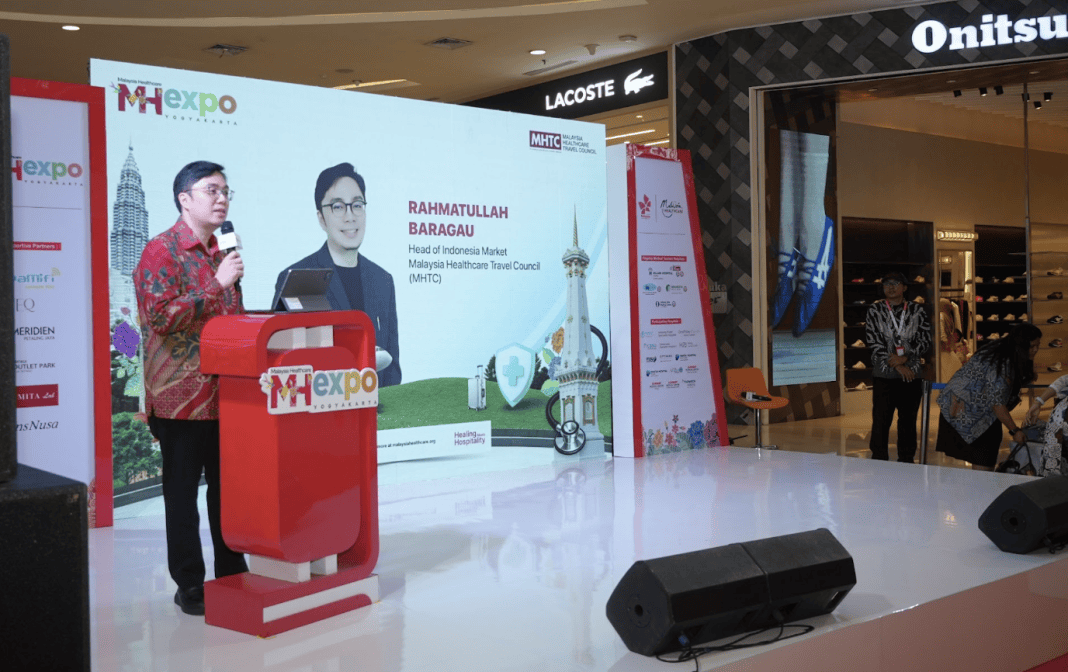
Cross-border healthcare collaboration across Southeast Asia has reached unprecedented heights as patient mobility increases and regional infrastructure continues to modernize. A central driver of this dynamic growth is the strategic initiative surrounding Malaysia medical tourism in Indonesia. With a shared cultural affinity, geographical proximity, and an expanding network of direct flights connecting secondary cities, the bilateral relationship between these two neighboring nations has redefined the regional medical travel landscape.
The Malaysia Healthcare Travel Council, an agency operating under the Ministry of Health Malaysia, has actively cultivated partnerships across the Indonesian archipelago. Recent promotional roadshows and consumer expos in major urban hubs such as Yogyakarta, Surabaya, Medan, and Jakarta demonstrate a concerted effort to decentralize access to specialized clinical care. By bridging regional healthcare gaps and introducing cutting-edge treatments to Indonesian patients, Malaysia continues to fortify its reputation as a globally trusted hub for medical travel.
Economic Drivers and Patient Volume Surge
The economic impact of cross-border medical travel between Indonesia and Malaysia reflects a rapidly maturing market. Over the past several years, patient arrivals from Indonesia have experienced double-digit annual percentage growth, establishing the nation as Malaysia's largest source market for health travelers. In 2025 alone, incoming medical travelers from Indonesia surpassed 960,000 arrivals, generating over 2.2 billion MYR in revenue for the Malaysian healthcare sector.
This continuous surge in patient traffic is fueled by a combination of high domestic demand for specialized tertiary treatment and competitive pricing structures. Indonesian patients seeking complex medical interventions often evaluate international options based on cost transparency, physician expertise, and treatment availability. Malaysian medical institutions offer transparent pricing regulated by government authorities, ensuring that international patients receive world-class diagnostic and surgical services without financial unpredictability.
Furthermore, economic growth outside of Jakarta has empowered residents in secondary cities to prioritize personal health and wellness. Regional centers like Yogyakarta have emerged as critical growth nodes, where high literacy rates, rising disposable income, and increasing awareness of preventative medicine drive families to seek specialized second opinions abroad.
Key Medical Disciplines Driving Demand
Indonesian patients seek care in Malaysia across a comprehensive spectrum of clinical sub-specialties. Malaysian private hospital groups have invested heavily in state-of-the-art medical technologies, attracting top-tier clinical talent from around the world to deliver comprehensive treatment plans.
Cardiology and cardiovascular surgery represent one of the primary drivers of medical travel. Leading cardiac institutes in Kuala Lumpur and Penang perform intricate procedures, ranging from minimally invasive valve replacements to complex coronary artery bypass surgeries, utilizing the latest robotics and diagnostic imaging platforms.
Oncology care is another major pillar of demand. Cancer treatment facilities in Malaysia feature advanced radiation therapy systems, targeted immunotherapies, and comprehensive genomic profiling. Patients benefit from multidisciplinary tumor boards where oncologists, radiologists, and surgeons collaborate to tailor personalized treatment protocols.
In addition to tertiary surgical care, elective and specialized reproductive treatments have seen substantial growth:
- In Vitro Fertilization and Reproductive Health: Specialized fertility centers attract couples seeking advanced reproductive technologies, pre-implantation genetic testing, and high success rates.
- Orthopedics and Joint Replacement: Advanced joint preservation, total knee or hip replacements, and spine surgeries utilize minimally invasive techniques that significantly reduce recovery times.
- Comprehensive Health Screenings: Preventive health packages combining genetic screening, advanced imaging, and full cardiac workups are increasingly popular among business travelers and families.
- Gastroenterology and Metabolic Surgery: Modern diagnostic endoscopy, liver disease management, and bariatric interventions address growing lifestyle-related health concerns.
Strategic Geographic Expansion into Secondary Cities
While traditional gateways like Penang and Kuala Lumpur continue to receive a high volume of health travelers, recent strategies focus on establishing deep connections within Indonesia's secondary regional markets. Cities such as Yogyakarta, Solo, Semarang, and Balikpapan represent millions of citizens seeking direct access to high-tier medical infrastructure.
Air connectivity plays a pivotal role in this expansion. The proliferation of direct flight routes connecting mid-sized Indonesian airports to Malaysian travel hubs eliminates the physical strain of multi-leg journeys for medically fragile individuals. Direct flights allow patients to travel comfortably, undergo procedures, and return home for recovery with minimal transit friction.
Educational outreach campaigns and medical expos organized in these secondary cities provide local communities with direct access to medical consultants. During these interactive events, patients receive initial guidance regarding treatment timelines, cost estimations, and recovery protocols, empowering them to make informed choices about their personal healthcare journeys.
Institutional Collaborations and Public Trust
Building sustainable momentum in Malaysia medical tourism in Indonesia depends heavily on trust, regulatory transparency, and institutional collaboration. Malaysian healthcare providers do not operate in isolation; instead, they build formal networks with Indonesian medical practitioners, local hospitals, and patient advocacy groups.
Telemedicine platforms and collaborative diagnostic consultations have enabled continuous care loops. Prior to traveling, patients can submit their clinical records and diagnostic imaging for review by Malaysian specialists. This preliminary evaluation ensures that when the patient arrives at the international clinic, their diagnostic pathway and surgical plan are already established, minimizing unnecessary stay durations and hotel expenses.
Post-treatment care management is equally critical. Returning patients often require follow-up consultations, medication adjustments, and rehabilitation. Formal referral networks ensure that local Indonesian physicians remain informed about their patient's treatment plan, fostering a collaborative medical ecosystem that prioritizes long-term patient safety and health outcomes.
Furthermore, language and cultural alignment significantly ease patient anxiety. The shared linguistic roots of Bahasa Malaysia and Bahasa Indonesia allow for seamless communication between clinical staff and patients. Combined with widespread halal-certified catering, dedicated prayer facilities, and culturally sensitive nursing care, Malaysian medical institutions deliver a supportive environment that aids physical and emotional recovery.
The Future Horizon for Regional Healthcare Integration
As global healthcare standards evolve, the relationship between Malaysia and Indonesia in the medical travel domain serves as a benchmark for regional integration. Initiatives under long-term national tourism and healthcare campaigns continue to streamline administrative processes for incoming patients. Dedicated healthcare travel lanes at major international airports, extended medical visas for complex treatment cases, and specialized patient concierges at arrival terminals reflect an institutional commitment to seamless hospitality.
Investments in artificial intelligence, remote monitoring, and personalized medicine are poised to further elevate the patient experience. As digital health portals become more integrated, patients from Indonesia will experience even smoother transitions from initial online consultation to hospital admission and subsequent home-based recovery monitoring.
Through targeted regional outreach, continuous investments in medical technology, and a deep commitment to compassionate patient care, the sustained growth of Malaysia medical tourism in Indonesia remains a cornerstone of Southeast Asia's evolving healthcare ecosystem.
Read More