





 Friday, 23-10-26






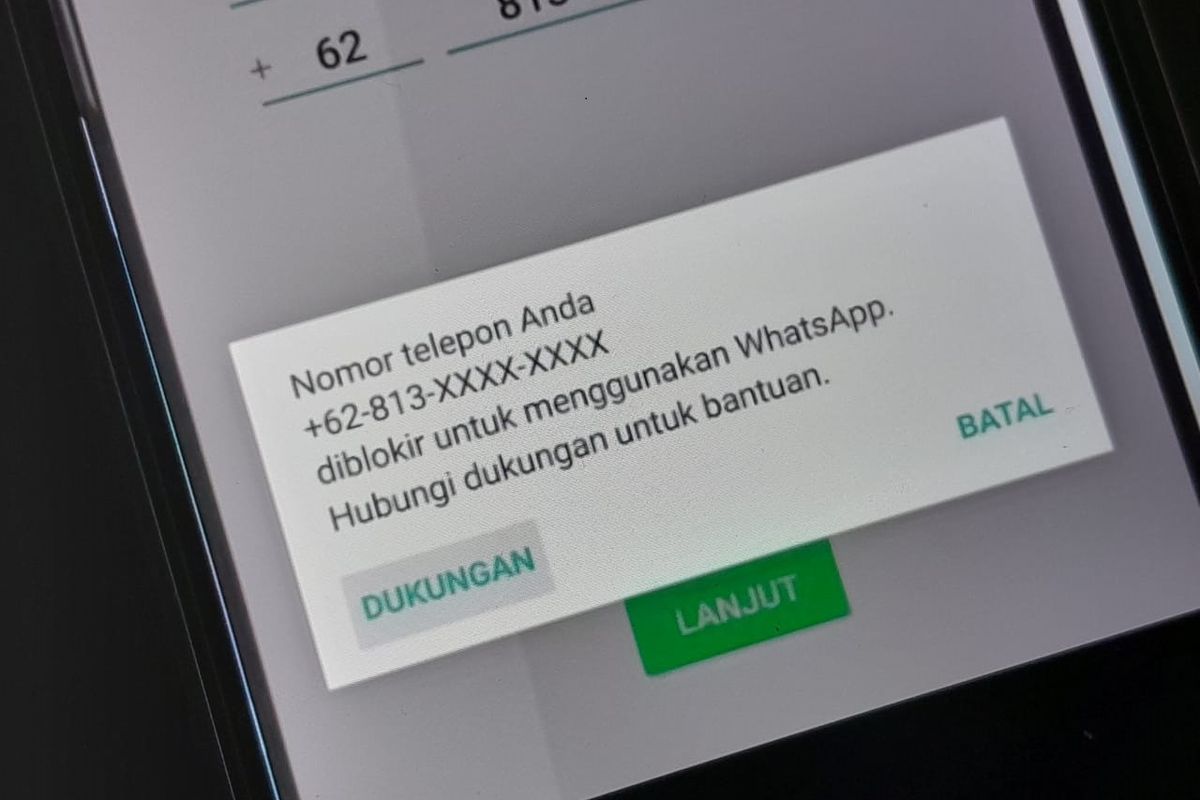
In late August 2026, millions of social media users and small business owners in Indonesia woke up to an alarming surprise: their WhatsApp accounts were suddenly deactivated without prior warning. Displaying cryptic notifications indicating that their phone numbers were under review or banned for violating community standards, the widespread disruption triggered massive public backlash across social platforms. Following escalating consumer complaints and an official intervention by the Indonesian government, Meta, the parent company of WhatsApp, publicly confirmed that the incident was not a targeted policy enforcement campaign. Instead, the tech giant acknowledged that a widespread Meta WhatsApp System Error had triggered automated account bans globally, inadvertently sweeping up thousands of legitimate users in Indonesia and around the world.
Background of the Unexpected Mass Account Lockout
The sudden wave of account suspensions began causing widespread confusion as individuals, freelancers, and enterprise users found themselves locked out of their primary communication channel. WhatsApp serves as the essential digital backbone for daily communication, peer-to-peer commerce, and enterprise customer service across Indonesia, making any service disruption immediately damaging to personal and commercial activities. Affected users reported seeing notifications stating that their activity violated community standards, even though they had only engaged in routine, everyday conversations with known contacts.
The situation escalated rapidly as social media channels such as X and Instagram were flooded with reports from panicked users seeking assistance. Business owners relying on WhatsApp Business lost direct contact with clients, leading to missed transactions, delayed customer service responses, and interrupted operational workflows. Because the suspensions occurred without explicit details regarding specific infractions, speculation grew that Meta had updated its automated security algorithm or launched an aggressive anti-spam sweeping initiative across Southeast Asia without adequate user testing.
Government Intervention and Official Clarification Request
Responding to the growing public outcry, Indonesia's Ministry of Communication and Digital Economy, known as Komdigi, took immediate regulatory action. The ministry initiated formal communications on August 14, 2026, sending an official letter requesting a detailed explanation from Meta regarding the unprecedented surge in account deactivations. When Meta failed to provide a timely written response by the end of the specified deadline, government authorities escalated their approach by formally summoning representatives from Meta Asia Pacific to attend an in-person meeting in Jakarta.
Director General for Digital Space Supervision at Komdigi, Alexander Sabar, met directly with Meta executives on Wednesday, August 26, 2026. During the high-level meeting, government officials demanded full transparency regarding the root cause of the bans, the exact number of Indonesian citizens impacted, and the mitigation steps being taken to restore account access. Komdigi emphasized that digital platforms operating within Indonesia must maintain high operational reliability and provide swift resolution mechanisms when public services are compromised by technical flaws. In addressing the government inquiry, officials highlighted that resolving the Meta WhatsApp System Error was critical for maintaining public trust in national digital infrastructure.
Technical Analysis of the System Failure
During the meeting with Komdigi officials, Esther Samboh, Head of Public Policy for Facebook and Messaging at Meta Asia Pacific, provided clarity on what had transpired behind the scenes. She confirmed that a technical glitch within Meta's automated security detection infrastructure had caused the mass account restrictions. The company relies heavily on automated artificial intelligence algorithms and machine learning filters to identify potential security threats, such as bulk spamming, phishing attempts, data scraping, and unauthorized automated messaging.
However, during a routine system update or algorithmic adjustment, a critical false-positive error occurred within the automated moderation filter. Consequently, the Meta WhatsApp System Error caused benign account activities to be wrongly categorized as malicious behavior. Esther Samboh emphasized that there was no targeted enforcement action directed specifically at Indonesian users. The algorithmic glitch was part of a larger, global issue that briefly affected account verification mechanisms in multiple international markets simultaneously.
Upon identifying the technical anomaly, Meta engineering teams deployed emergency hotfixes to stabilize the security detection algorithms. While Meta reported that a major portion of the affected user base had their access automatically restored through backend remediation, many users still faced temporary access locks requiring manual verification steps to regain complete functionality.
Step-by-Step Recovery Process for Blocked Users
For users whose accounts remain inaccessible due to the Meta WhatsApp System Error, Meta and Komdigi outlined specific appeal procedures designed to expedite account restoration. Rather than submitting multiple external help tickets or attempting to create new accounts, affected individuals are instructed to utilize the built-in appeal mechanism inside the official WhatsApp application.
To request an account review, users must perform the following steps carefully:
- Launch the official WhatsApp application on the registered mobile device.
- Select the option labeled Request a Review displayed on the account restriction screen.
- Enter a brief, clear explanation confirming that the account was used in full compliance with standard terms of service.
- Submit the review request directly through the secure application interface.
Meta assured Indonesian regulators that all review requests submitted through the official application interface are being evaluated on a priority basis, with most reviews completed in under 24 hours. Users are cautioned against utilizing third-party unbanning services or unofficial software modifications, as these unauthorized applications violate platform policies and can result in permanent account termination. In cases where the Meta WhatsApp System Error impacted legitimate business profiles, administrators are advised to monitor official Meta Business Support channels for restoration status updates.
Broader Impact on Micro Businesses and Digital Infrastructure
The recent Meta WhatsApp System Error highlights the vulnerability of modern digital economies to platform-level technical outages. In Indonesia, micro, small, and medium enterprises represent the core of the economy, with millions relying on instant messaging platforms to manage inventory, process customer orders, and manage payment confirmations. When an automated platform error cuts off access to these digital storefronts, financial losses accumulate rapidly for independent merchants.
Industry analysts suggest that this event will prompt Indonesian policymakers to enforce stricter service level agreements and regulatory oversight for global technology conglomerates operating in the country. Digital sovereignty initiatives are gaining traction, requiring international tech platforms to establish localized operational support and faster customer resolution services within domestic borders. Furthermore, business owners are increasingly encouraged to adopt multi-channel communication strategies rather than relying solely on a single messaging platform for critical enterprise operations.
Preventive Best Practices and Algorithmic Compliance
While the recent wave of bans was attributed to an internal software flaw, WhatsApp users can minimize their exposure to automated flagging by adhering strictly to platform usage guidelines. Meta security algorithms continually analyze interaction patterns to protect user privacy and combat abuse. To maintain account health and reduce the likelihood of accidental flagging during automated system updates, users should observe several essential practices.
First, avoid sending mass broadcast messages to users who have not saved your contact number, as high rates of recipient blocks or spam reports trigger immediate automated security reviews. Second, avoid utilizing unauthorized third-party modified versions of the application, as these modified clients bypass end-to-end encryption protocols and are automatically flagged by Meta security systems. Third, business accounts should utilize official WhatsApp Business APIs and implement formal customer opt-in processes to ensure compliance with global messaging guidelines.
Conclusion and Future Regulatory Governance
The swift intervention by Komdigi following the Meta WhatsApp System Error underscores the critical balance between automated platform security and user protection. While automated machine learning filters are essential for combating online fraud and abusive spam at global scale, the recent disruption demonstrates that technical safeguards must be accompanied by robust oversight and rapid error correction mechanisms.
As Meta continues to refine its automated moderation systems and restore remaining restricted accounts, the incident serves as a major case study for tech governance in Southeast Asia. Strengthening institutional dialogue between tech giants and local regulators will be essential to preventing future disruptions and protecting the digital livelihoods of millions of Indonesian users.
Read More