





 Sunday, 20-09-26








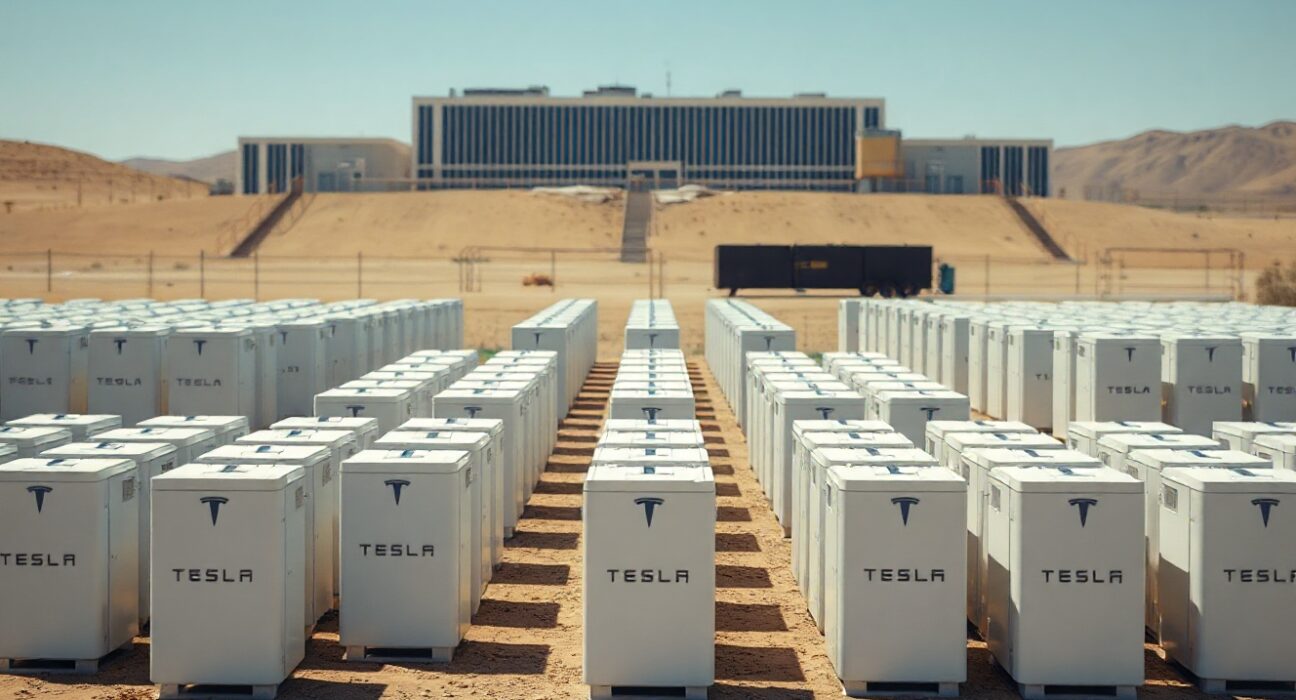
The intersection of aerospace engineering, artificial intelligence infrastructure, and sustainable energy technology continues to generate fascinating corporate developments. Recent financial disclosures and regulatory filings have brought to light a significant trend involving high-profile technology enterprises. Specifically, aerospace and communications leader SpaceX has ramped up its capital allocation toward grid-scale battery systems. According to recent earnings reports, the enterprise has invested heavily in Tesla Megapacks during the first half of the fiscal year, signaling a deeper operational synergy between major firms led by entrepreneur Elon Musk.
This strategic procurement highlights the escalating power demands associated with modern high-performance computing clusters and artificial intelligence data centers. As technology companies scale their operational capabilities, securing reliable, flexible, and high-capacity backup power has become an urgent engineering priority. The deployment of Tesla Megapacks allows organizations to buffer electricity fluctuations, mitigate grid instability, and handle massive power surges without compromising operational continuity. Examining these transactions provides valuable context regarding how related entities collaborate to solve complex infrastructure challenges in the modern technology landscape.
Financial Disclosures and Capital Allocation Trends
Recent public disclosures outline the precise scale of these cross-company transactions. Financial tracking indicates that expenditures on large-scale battery storage units have accelerated significantly over recent quarters. Out of the total capital deployed toward these energy storage units this year, a substantial portion was concentrated during the second quarter. This sharp increase underscores a deliberate push by corporate leadership to fortify physical infrastructure ahead of projected expansions in artificial intelligence workloads and network operations.
The financial relationship between these affiliated organizations extends far beyond simple vendor transactions. Capital investments and cross-company asset acquisitions have woven a tight network of shared resources. By leveraging the manufacturing capabilities and technological expertise of the prominent electric vehicle and clean energy pioneer, aerospace and AI operations can secure priority access to critical hardware. This vertical integration provides a distinct competitive advantage in an era marked by global supply chain constraints and surging competition for advanced energy equipment.
Powering Next-Generation Artificial Intelligence Infrastructure
The primary catalyst behind these massive battery acquisitions relates directly to the intense energy requirements of modern data centers. Artificial intelligence training and inference workloads demand enormous amounts of electricity. Furthermore, power consumption is rarely uniform, experiencing sharp spikes when complex computational models run intensive processing tasks. Relying solely on standard grid connections or localized natural gas generation presents notable limitations in reliability and environmental compliance.
This is where grid-scale storage units prove indispensable. Tesla Megapacks are engineered to deliver instantaneous backup power, discharging stored energy within seconds to stabilize local electrical loads. By absorbing excess energy during off-peak hours and releasing it during high-demand intervals, these systems prevent costly power surges and protect sensitive graphics processing units from voltage irregularities. The deployment of Tesla Megapacks ensures that large-scale computing installations maintain uninterrupted uptime even when facing volatile external utility conditions.
Corporate Synergy and Strategic Alignment
The growing volume of related-party transactions reflects a broader trend of ecosystem consolidation among companies helmed by visionary executives. Following structural corporate reorganizations, including major acquisitions and public market debuts, the operational boundaries between aerospace development, satellite internet provisioning, and artificial intelligence research have dissolved. Sharing technological resources allows these entities to accelerate development timelines and streamline supply chains.
Analysts point out that utilizing Tesla Megapacks across experimental and commercial facilities creates a closed-loop testing environment. Real-world performance data gathered from heavy-duty industrial deployments helps engineers refine future software controls and battery chemistry formulations. This feedback loop benefits both the energy provider and the end-user, fostering continuous product evolution and improved efficiency across all participating corporate branches.
Future Outlook for Industrial Energy Storage
As global demand for clean, reliable, and scalable energy storage continues to climb, the role of advanced battery systems will only expand. Industrial applications are shifting away from traditional fossil-fuel backup generators toward zero-emission electrochemical storage solutions that can respond dynamically to shifting electrical loads. The recent multi-million dollar investments demonstrate that forward-thinking enterprises are willing to commit substantial capital to secure resilient infrastructure.
Ultimately, the steady integration of Tesla Megapacks into large-scale technology operations marks a significant milestone in modern corporate engineering. By addressing the fundamental power constraints of heavy computing and aerospace research, these advanced storage units pave the way for sustainable long-term growth. As regulatory frameworks and market dynamics continue to evolve, the strategic deployment of reliable energy reserves will remain a cornerstone of technological leadership.
Read More