





 Sunday, 20-09-26








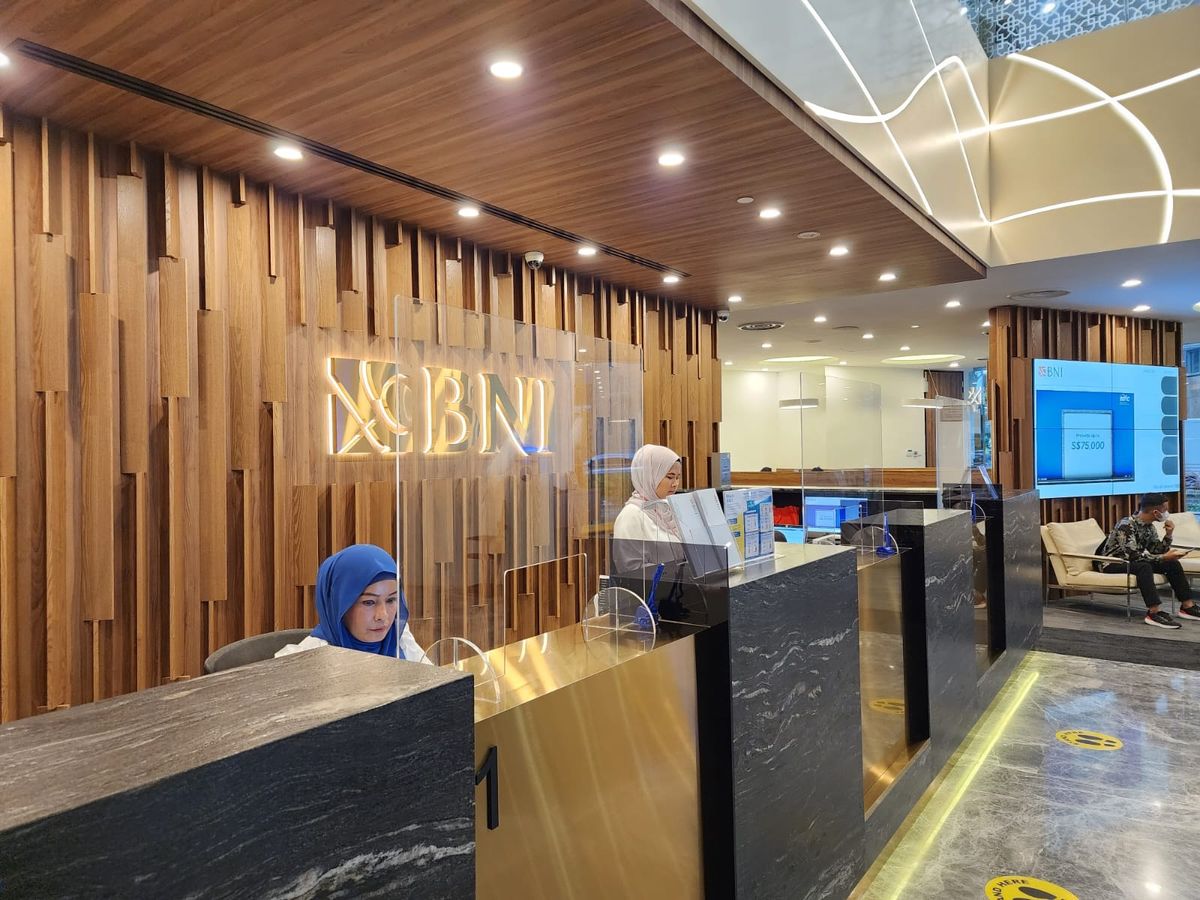
The financial sector in Indonesia continues to demonstrate remarkable vitality, driven by major state-owned banking institutions expanding their core portfolios. Bank Negara Indonesia recently announced its financial results for the first half of the year, capturing widespread attention from market analysts and investors alike. The prominent lender reported a solid rise in net income, reaching Rp 10.75 trillion. This positive performance was primarily underpinned by an aggressive expansion in lending activities across various commercial and consumer segments. Evaluating these performance metrics offers crucial insights into how large financial institutions navigate shifting interest rate environments while maintaining healthy balance sheets.
Market observers have closely tracked the strategic decisions made by management to enhance profitability without compromising asset quality. As economic activity rebounds across the archipelago, banks are finding new avenues to deploy capital effectively. The robust performance registered during the January to June period highlights the pivotal role that credit expansion plays in driving overall corporate revenue. By focusing on high-potential sectors and optimizing operational efficiency, the institution has solidified its position as a pillar of national economic development.
Key Financial Drivers and Net Interest Income
A closer look at the financial statements reveals that higher net interest income served as the primary catalyst for the bottom-line growth. Net interest income climbed by 14.2 percent to reach Rp 22.28 trillion, driven by a nearly 15 percent increase in total interest income. Although rising interest expenses posed a challenge for many market participants, the robust generation of top-line revenue effectively absorbed these cost pressures. This ability to manage margins efficiently demonstrates strong treasury management and strategic pricing alignment.
The core driver behind this revenue generation was the remarkable pace at which credit portfolios expanded. Outstanding loans surged significantly on a year-on-year basis, outpacing the broader domestic banking industry average by a wide margin. This acceleration in financing activities reflects heightened demand from corporate clients as well as targeted retail segments looking for capital to fund new ventures, expansions, and operational working capital.
Asset Quality and Risk Management Strategies
Rapid portfolio expansion often raises concerns regarding potential risks and asset deterioration, but recent data indicates that credit quality remained remarkably well-controlled. The non-performing loan ratio held steady at a healthy level, reflecting disciplined underwriting standards and proactive portfolio monitoring. Furthermore, the broader loan-at-risk ratio showed a notable improvement compared to the figures recorded during the corresponding period of the previous year.
Risk management teams have implemented stringent credit assessment protocols, ensuring that new disbursements adhere to prudent risk appetites. By maintaining adequate provisioning coverage while actively expanding lending volumes, the institution has successfully balanced growth ambitions with safety measures. This disciplined approach reassures stakeholders that profitability is built on a sustainable foundation rather than short-term speculative exposure.
Digital Innovation and Customer Engagement
Beyond traditional lending, technological integration has become a cornerstone of modern banking strategies in Southeast Asia. The continuous rollout of advanced digital platforms and mobile applications has fundamentally transformed how retail and corporate customers interact with financial services. Enhanced digital ecosystems have successfully driven higher customer engagement and increased transaction volumes, fostering greater loyalty among retail users.
These digital channels not only improve operational efficiency by reducing branch-level overhead costs but also help capture low-cost consumer deposits. Maintaining a stable base of core deposits enables the institution to fund its aggressive credit expansion sustainably, mitigating the pressures of rising funding costs in a competitive market. As digital adoption deepens across both urban and regional centers, technology-driven initiatives will continue to support long-term profitability.
Future Outlook and Strategic Priorities
Looking ahead to the remainder of the fiscal year, executive leadership remains cautiously optimistic about maintaining this positive momentum. Strategic priorities will likely center on sustaining disciplined credit expansion while keeping a close eye on macroeconomic factors such as currency fluctuations and global market volatility. By continuing to support key economic sectors and refining digital infrastructure, the institution is well-equipped to navigate upcoming challenges.
Ultimately, the strong first-half performance underscores the resilience of Indonesia's premier banking institutions. Driven by steady consumer demand, prudent risk oversight, and effective capital allocation, the bank remains positioned to deliver consistent value to its shareholders while continuing to fuel broader economic progress.
Read More