





 Saturday, 19-09-26








Why This Partnership Matters
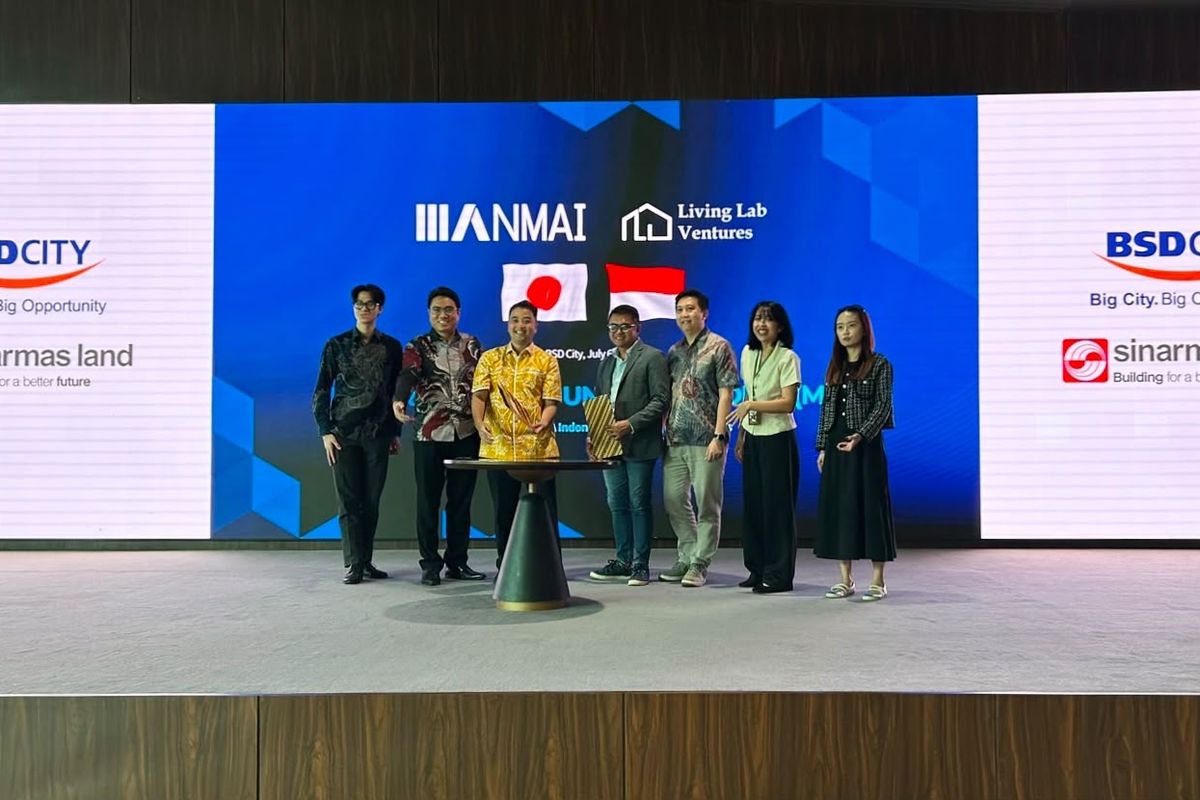
The new partnership between Living Lab Ventures and PT Nihon M&A Center Indonesia is a useful snapshot of how Indonesia Japan business cooperation is evolving in 2026. According to ANTARA, the two firms are joining forces to support business development in both Indonesia and Japan, with a focus on connecting companies, startups, strategic investors, and corporations. The collaboration is also designed to strengthen cross border investment and mergers and acquisitions between the two markets.
That matters because this is no longer just a story about one corporate venture firm and one advisory company. It is also a story about how Southeast Asia and Japan are building more practical channels for capital, partnerships, and expansion. In a region where growth depends increasingly on ecosystems, not isolated deals, this kind of cooperation can shape how founders raise money, how companies enter new markets, and how investors source opportunities.
Who LLV And NMAI Are
Living Lab Ventures, or LLV, is the corporate venture capital arm of Sinar Mas Land. ANTARA reported that LLV has been building its role as a platform that connects startups, corporations, investors, and global partners, while managing more than US$100 million in funding and portfolio companies since its launch in 2020. LLV is based in BSD City and has positioned itself as an active connector across regional and international markets.
PT Nihon M&A Center Indonesia, or NMAI, is part of Nihon M&A Center Holdings Inc. The company’s official site says it is one of Japan’s leading M&A boutiques and has provided cross border M&A advisory services linking Japan with the global economy, including ASEAN markets, since 2013. That background makes NMAI a strong fit for any effort to build Indonesia Japan business cooperation with a serious transaction and advisory component.
The combination is important because the two firms bring different strengths. LLV brings access to Indonesia’s startup and corporate ecosystem, while NMAI brings a deep Japanese M&A network and advisory experience. In practical terms, that means the partnership can help companies find partners, buyers, investors, and expansion paths more efficiently than a single market platform could on its own.
Why Japan Remains A Strategic Market For Indonesia
Japan has long been one of Indonesia’s most important investment partners. ANTARA cited BKPM data showing that Japan’s realized foreign direct investment in Indonesia in 2025 reached US$3.12 billion, or roughly Rp50 trillion. That level of interest signals that Japanese capital continues to see Indonesia as a large and attractive market for long term growth.
BKPM’s own March 2026 press release also said Japanese investment in Indonesia grew 13.2 percent in the 2021 to 2025 period, totaling US$17.1 billion. That is a strong signal that the relationship is not fading. Instead, it is becoming more structured and more strategic, especially in sectors where technology, manufacturing, and innovation can be paired with local market scale.
There is also a policy side to this relationship. BKPM has repeatedly emphasized that it wants to create a more conducive investment climate and streamline access for foreign partners. That makes initiatives like LLV and NMAI’s partnership especially relevant, because they can translate broad policy goals into actual deal flow, advisory support, and market entry execution.
What The Collaboration Enables
According to ANTARA, the partnership gives LLV access to one of the largest M&A networks in Japan, making it easier to connect Indonesian companies and startups with Japanese corporates and strategic investors. That kind of access is often the difference between a promising conversation and a real transaction. In the world of cross border business, networks matter as much as capital.
Kosuke Kawata, President Director of PT Nihon M&A Center Indonesia, said the collaboration is an important step in strengthening activity in Indonesia and broadening cross border investment and merger and acquisition opportunities between Indonesia and Japan. That statement shows the purpose of the partnership is not limited to introductions. It is about creating long term value through structured investment and advisory execution.
LLV has made a similar point in its own official communication. In a May 2026 release, the firm said it launched the Japan Thematic Fund with Spiral Ventures and other Japanese and Indonesian investors to deepen economic collaboration between Japan and Southeast Asia, with Indonesia as a key focus. That earlier move suggests the new LLV and NMAI partnership fits into a broader strategy rather than a one off deal.
Why Cross Border M&A Is Becoming More Important
Cross border M&A is often underestimated in startup conversations, but it is increasingly central to regional growth. Not every company will scale by raising another venture round. Some will expand by acquiring a supplier, merging with a peer, or finding a strategic investor that opens new distribution channels. NMAI’s advisory specialization is particularly relevant in that context because it helps companies pursue growth paths that are more capital efficient and strategically disciplined.
For Indonesian founders, this matters because Japan remains a market with strong corporate depth, technical sophistication, and long term capital. For Japanese companies, Indonesia offers population scale, a fast growing consumer base, and a vibrant startup scene. When those two realities are connected properly, Indonesia Japan business cooperation becomes a concrete growth strategy rather than a diplomatic phrase.
The timing also fits the broader regional investment cycle. Japan itself has been pushing to expand foreign direct investment and strengthen economic ties beyond its domestic market, while Indonesian authorities continue to emphasize downstream development, innovation, and foreign capital attraction. That creates a favorable backdrop for partnerships that can reduce friction between companies on both sides.
What This Means For Startups And Corporates In Indonesia
For startups, the biggest benefit is access. A good idea is not enough if the company cannot find the right investor, strategic buyer, or expansion partner. Through this kind of ecosystem bridge, a startup based in BSD City, Jakarta, or another Indonesian hub can get closer to Japanese corporates that may want technology, distribution, or local market partnerships. That can be far more valuable than simply chasing general funding.
For corporates, the opportunity is slightly different. Large firms often need help identifying acquisition targets, technology partners, or market entry routes in new countries. NMAI’s M&A advisory model and LLV’s ecosystem reach can help shorten that search. In effect, the partnership can serve as a soft landing pad for Japanese firms looking at Indonesia and for Indonesian firms thinking about Japan.
For investors, the appeal is that this kind of collaboration can improve deal quality. A stronger pipeline, better local knowledge, and more credible advisory support can reduce execution risk. That is especially important in cross border transactions, where cultural differences, regulatory complexity, and governance standards can make even attractive opportunities difficult to close.
BSD City As A Regional Business Connector
ANTARA noted that LLV is based in BSD City and wants to strengthen its role as a platform connecting global companies, investors, and entrepreneurs. That detail is important because location is part of the strategy. BSD City has been increasingly positioned as a business and innovation hub, and LLV’s presence there gives the partnership a physical base for meetings, deal sourcing, and ecosystem building.
LLV’s earlier Japan focused fund announcement also reinforces that point. The company described BSD City as an environment where investors and innovators can collaborate and test ideas across markets. That framing suggests LLV sees itself not just as a financier, but as a bridge between capital, technology, and market access.
In other words, the partnership is not only about Indonesia and Japan in the abstract. It is also about building a functioning corridor where companies can move from introduction to transaction more smoothly. That is the kind of infrastructure the region needs if it wants to turn Indonesia Japan business cooperation into repeatable economic outcomes.
The LLV and NMAI partnership is a timely example of how regional business ties are becoming more operational, more targeted, and more ecosystem driven. By combining LLV’s Indonesia based venture platform with NMAI’s Japanese M&A advisory network, the two sides are building a practical channel for investment, corporate development, and startup growth.
With Japanese FDI into Indonesia still strong and Indonesia continuing to position itself as a high growth market, this kind of alliance has room to matter well beyond one announcement. It could help shape how companies, investors, and founders think about expansion across both countries. In that sense, Indonesia Japan business cooperation is no longer just a headline. It is becoming a working model for regional growth.
Read More