





 Sunday, 13-09-26








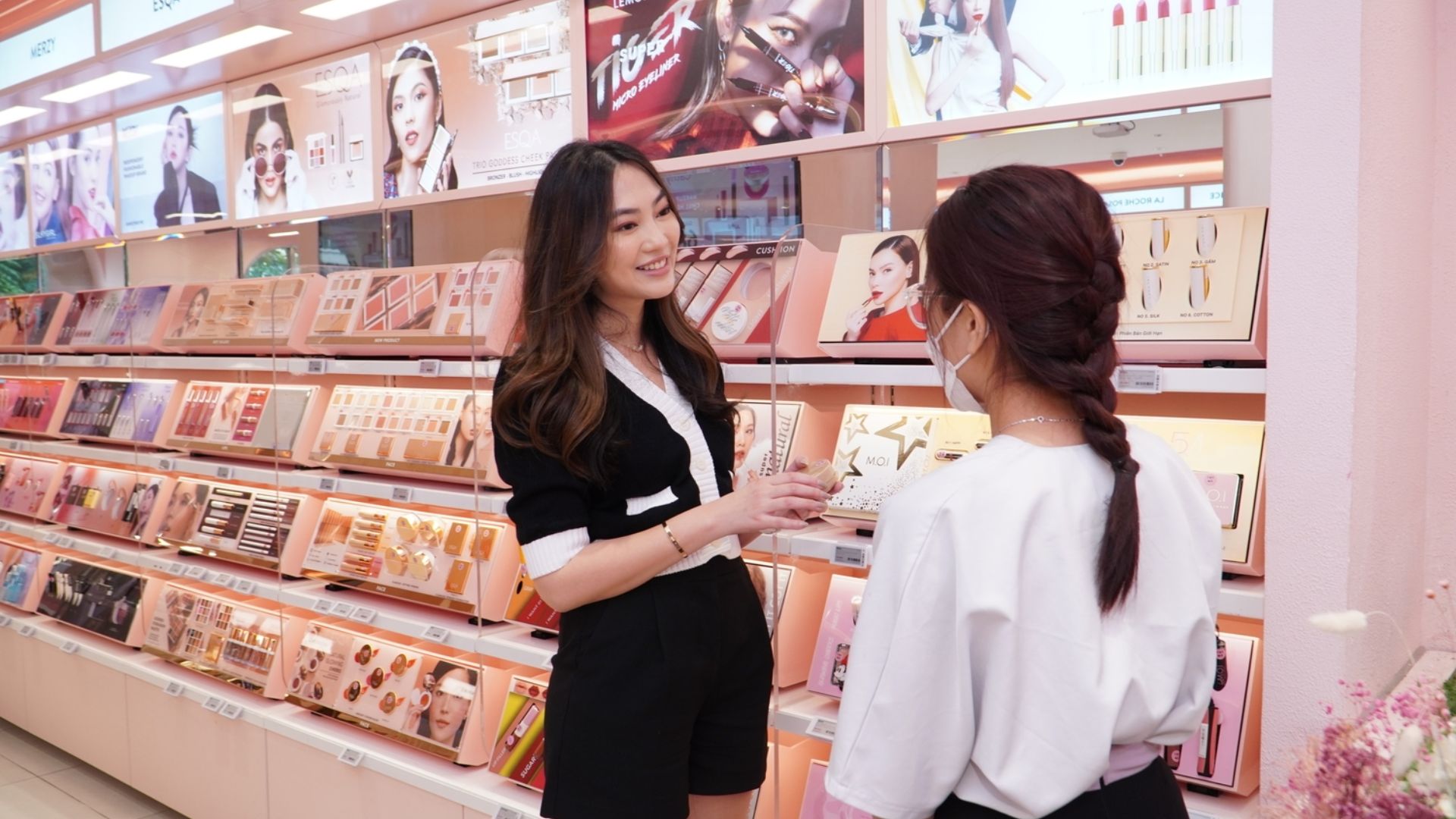
Tech in Asia’s visual story points to a market that is getting harder to ignore. According to the article, the most crowded category in beauty commerce across Southeast Asia is cosmetics and personal care, which tells us that this is no longer a niche space reserved for a few import-led labels. It is a competitive, fast-moving category where local brands, regional challengers, and global companies are all fighting for shelf space and consumer attention.
The bigger story is that the Southeast Asia beauty market is being shaped by several forces at once. The region is highly diverse, made up of eleven countries with very different consumer habits and commercial realities, and it is also one of the world’s most dynamic economic regions. That makes beauty harder to win but easier to scale once a brand finds the right formula.
Why The Southeast Asia Beauty Market Keeps Drawing New Entrants
The Southeast Asia beauty market is attractive because it combines rising demand, intense digital engagement, and a consumer base that is willing to try new formats quickly. Tech in Asia’s article frames the region as a place where key players are emerging around beauty commerce, which suggests that distribution, branding, and platform strategy matter just as much as formulation. In this market, a product is only part of the battle. How it reaches customers often matters just as much.
One reason this market remains so active is that beauty buying in Southeast Asia is increasingly shaped by digital discovery. Social platforms, creator-led recommendations, and e-commerce first launches have become central to how consumers learn about products. That is one reason why both established multinationals and newer challengers keep investing in the region. The opportunity is not only to sell, but to build habits, routines, and repeat purchases.
The competition is also broader than just retail brands. In the Southeast Asia beauty market, marketplaces, content creators, distributors, and contract manufacturers all play a role in determining which products win. That creates a layered ecosystem where brand awareness, logistics, pricing, and social proof all matter at the same time. In practical terms, beauty in Southeast Asia is no longer just a consumer product category. It is a media and commerce category too.
K-Beauty And C-Beauty Are Reshaping The Competitive Map
The most visible external pressure in the Southeast Asia beauty market comes from K-beauty and C-beauty. K-beauty has regained global momentum through ingredient-led skincare, TikTok virality, and retail partnerships, with brands such as Cosrx, Beauty of Joseon, Anua, Biodance, and Skin1004 helping keep the category relevant. Vogue notes that the revival is less about novelty and more about accessible, science-backed routines that consumers trust.
That wave matters in Southeast Asia because consumers in the region have been quick to adopt Korean beauty routines and product logic. The appeal is easy to understand: clear skin claims, layered routines, lightweight textures, and strong storytelling. For brands in the Southeast Asia beauty market, K-beauty is both a benchmark and a rival. It raises consumer expectations and forces local brands to become sharper on performance, packaging, and education.
C-beauty is now adding a second layer of pressure. Euromonitor says the rise of Chinese beauty brands in Southeast Asia highlights a competitive shift driven by affordability and digital-savviness. Channel News Asia adds that C-beauty has been gaining attention overseas through social media buzz and rising exports, especially on platforms such as Xiaohongshu and TikTok. That means the Southeast Asia beauty market is no longer just a K-beauty conversation. It is becoming a broader Asian beauty contest.
The result is a market where consumers can compare imported labels against local options in real time. For brands, that is both a challenge and an opportunity. Imported beauty trends create demand, but they also train consumers to expect better value, clearer ingredient stories, and more visible proof of results. In the Southeast Asia beauty market, the winners are often the brands that can borrow the best of Korea’s polish and China’s speed while staying locally relevant.
Local Brands Still Have A Strong Advantage
Despite the pressure from global and regional imports, local players are far from powerless. The Southeast Asia beauty market gives local brands one major advantage that foreign entrants often struggle to replicate: intimacy with local skin concerns, climate, cultural preferences, and pricing expectations. This matters in a region with strong humidity, varied skin tones, and very different spending power across markets. A brand that understands those realities can build loyalty faster than a brand that simply imports a global playbook.
Local brands also have the benefit of proximity. They can move faster on formulation tweaks, product naming, and platform partnerships. In Southeast Asia, beauty consumers are often highly responsive to practical value. They want products that fit daily life, not just aspirational branding. That means local companies can compete effectively when they offer accessible prices, transparent ingredient stories, and more culturally grounded marketing. This is an inference based on the competitive dynamics described in the sources, especially the rise of affordable C-beauty and the continued resurgence of K-beauty.
The market also rewards brands that are willing to behave more like content companies. In the Southeast Asia beauty market, education is part of the product. Consumers want to know how to use a serum, why a cleanser matters, and whether a claim is credible. Brands that communicate clearly on social platforms, marketplace pages, and creator channels often outperform brands that rely on old-fashioned advertising alone. That is one reason the beauty market here keeps producing new players rather than settling into a single dominant hierarchy.
Why Global Giants Are Still Moving In
Global companies remain deeply interested in the Southeast Asia beauty market because it offers scale, experimentation, and brand-building potential at once. Reuters reported that L’Oréal acquired South Korea’s Dr.G in late 2024 to capitalize on K-beauty demand, and the company framed the deal as part of its broader push to expand in Asia and globally. That kind of move shows how seriously multinational groups now take Asian beauty as a strategic category rather than just a regional side business.
This also helps explain why the Southeast Asia beauty market is so competitive. Large groups can bring capital, supply chain strength, and international brand recognition. But they still need local relevance to win. In beauty, scale alone does not guarantee trust. Consumers care about skin fit, value, and whether a brand feels native to their lives. That is why even the biggest names often need local product adaptation and local channel strategy.
There is a long history behind this dynamic. Reuters reported years ago that multinational cosmetics companies saw Indonesia and the wider region as a major growth opportunity, with local manufacturing and market expansion becoming part of their playbooks. That older reporting still reflects the present: Southeast Asia remains an attractive market, but winning here requires more than simply entering the market. It requires building within it.
What Will Decide The Next Winners
The next phase of the Southeast Asia beauty market will likely be decided by three things: digital sharpness, product credibility, and local adaptation. Brands that understand how consumers discover products, how they evaluate ingredients, and how they compare value across local and imported labels will be the ones most likely to win. Tech in Asia’s focus on the key players in a crowded beauty commerce category reinforces that the market is already in a selection phase, where consumers are sorting the serious brands from the noise.
The region’s beauty future will also be shaped by whether brands treat Southeast Asia as one market or many. The smarter answer is many. Each country has its own shopping behavior, culture, and platform mix. That is why a one-size-fits-all approach rarely works for long. Brands that understand this will be better positioned to turn presence into repeat buying, and repeat buying into long-term market share.
In that sense, the Southeast Asia beauty market is less about a single winner and more about a constantly shifting field of players. Local brands, K-beauty challengers, C-beauty contenders, and multinational groups all have a place in the story. The brands that win will be the ones that stay useful, trusted, and visible in a market that is crowded, digital, and still expanding in complexity.
Read More