





 Monday, 14-09-26








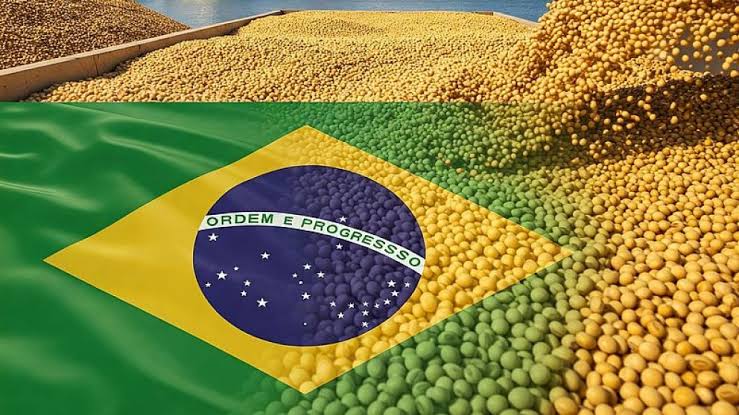
Indonesia's appetite for soybeans keeps growing, and Brazil wants a bigger share of that market. At the Food & Hospitality Indonesia (FHI) 2026 exhibition in Jakarta, a Brazilian agricultural attache confirmed that Brazilian soybean exports are positioned to help meet the country's rising demand for tempeh, tofu, and other soy based staples. The offer comes at a pivotal moment, as President Prabowo Subianto's Free Nutritious Meals program, known locally as MBG, continues to scale up its reach to students, pregnant women, and young children across the archipelago. With soy so deeply woven into Indonesian diets, any shift in where the country's soybeans come from carries real weight for farmers, food processors, and everyday households.
Why Indonesia Leans So Heavily on Imported Soybeans
Indonesia produces only a small fraction of the soybeans it consumes, leaving the country reliant on foreign suppliers to keep tempeh and tofu on dinner tables nationwide. The country imports roughly 2.5 to 3 million metric tons of soybeans each year, most of it destined for food processing rather than animal feed. Historically, the United States has been Indonesia's dominant supplier, prized for competitive pricing and consistent quality. But global trade dynamics are shifting, and Jakarta has been actively looking to diversify its sourcing options. That search for alternatives has opened the door wider for Brazilian soybean exports, which offer Indonesian buyers another large, dependable origin to draw from, especially as domestic demand climbs alongside the expansion of government feeding programs.
A Free Meal Program That Is Reshaping Demand
The Free Nutritious Meals program sits at the center of this story. Originally launched to fight childhood stunting and malnutrition, the initiative expanded at a remarkable pace, growing from under two million daily beneficiaries in early 2025 to tens of millions of people served through tens of thousands of kitchens nationwide. Tempeh and tofu, both soy based, are staples on MBG menus, meaning the program's growth translates almost directly into higher soybean demand. Carlos Turchetto, the agricultural attache at the Brazilian Embassy in Jakarta, pointed to this connection directly, noting that Brazil is ready to help fill the gap. Indonesia has since trimmed the MBG budget for cost efficiency reasons, but the underlying scale of the program remains enormous, and it continues to anchor long term projections for soybean consumption across the country.
Brazil's Pitch: Price, Quality, and Reliable Supply
Brazil's case for Indonesian buyers rests on three pillars: competitive pricing, consistent quality, and the sheer scale of its agricultural output. As one of the world's largest soybean producers and exporters, Brazil has the volume to support long term contracts without straining its own domestic supply. Turchetto argued that expanding Brazilian soybean exports to Indonesia could help stabilize the local market, easing the kind of price swings that have squeezed tempeh and tofu producers in recent years as the rupiah weakened and import costs climbed. For a market as price sensitive as Indonesia's, that kind of stability matters. Smaller producers who make tempeh and tofu on thin margins are often the first to feel the pinch when soybean prices spike, so a steadier supply chain could ripple through household food budgets as well.
Meat and Poultry Add Another Layer to the Relationship
While Brazilian soybean exports have drawn much of the recent attention, soybeans are only part of the picture. Brazil has also positioned itself as a major supplier of halal certified beef and poultry to Indonesia, and that trade relationship has been expanding steadily. Indonesia currently recognizes three private halal certification bodies operating in Brazil, a framework that has allowed 52 Brazilian companies to gain approval to export meat products into the Indonesian market. Momentum is building further, as last month Indonesia's Ministry of Agriculture sent an audit team to Brazil to inspect an additional 21 companies seeking clearance. If those firms are approved, the number of Brazilian meat exporters certified for the Indonesian market would grow substantially, reinforcing Brazil's role as a dependable partner for both plant based and animal based protein.
BRICS Membership Is Smoothing the Path
Part of what is accelerating this relationship is geopolitics. Indonesia became a full member of BRICS on January 6, 2025, joining a bloc that includes Brazil, Russia, India, China, and South Africa, among others. Turchetto credited that membership, along with warmer ties between the two countries' leaders, with easing bureaucratic friction that once slowed trade approvals. Cooperation through forums like BRICS, he said, has made many administrative processes simpler for both sides. That kind of diplomatic goodwill does not replace the fundamentals of price and quality, but it can shorten approval timelines and open doors that might otherwise stay closed, giving Brazilian exporters an edge as they compete for a larger slice of Indonesia's import market.
What Rising Brazilian Soybean Exports Could Mean for Consumers
For everyday Indonesians, the practical impact of growing Brazilian soybean exports will likely show up in the price and availability of tempeh and tofu. Both foods are dietary staples across income levels, and any disruption to soybean supply tends to be felt quickly at the market stall. Diversifying import sources, including a bigger role for Brazil, could help cushion Indonesia against price shocks tied to a single origin country, whether from currency swings, weather disruptions, or shifting trade policy elsewhere. It will not solve every challenge facing the tempeh and tofu industry, which has also had to contend with a weaker rupiah and rising production costs in recent years, but a broader base of suppliers generally makes the overall system more resilient to individual shocks.
Challenges That Could Slow the Momentum
None of this is guaranteed to unfold smoothly. Indonesia has recently tightened import licensing rules for soybean meal and other feed ingredients, part of a broader push toward food self sufficiency under the Prabowo administration. Centralizing certain import authority could reduce flexibility for buyers used to sourcing from multiple countries at once. Brazilian exporters will also be competing against entrenched relationships with American suppliers, who have long dominated Indonesia's soybean import market on price and logistics. Brazil's own soybean sector is not without pressure either, as global demand from other major buyers, including China, continues to influence how much volume is available for markets like Indonesia. How these dynamics play out will shape whether Brazil's ambitions translate into a durable, long term supply relationship.
Looking Ahead
For now, the message from Brasilia is clear: Brazil wants in, and it is willing to compete on price, quality, and reliability to get there. With Indonesia's Free Nutritious Meals program continuing to anchor demand for soy based staples, and with halal certified meat exports already gaining ground, Brazilian soybean exports look set to play a growing role in Indonesia's food supply chain over the coming years. Whether that translates into Brazil overtaking established suppliers remains to be seen, but the groundwork, from BRICS cooperation to expanding halal certification, is clearly being laid. For Indonesian consumers, the real test will be whether that translates into steadier prices for the tempeh and tofu on their plates.
Read More