





 Thursday, 23-07-26








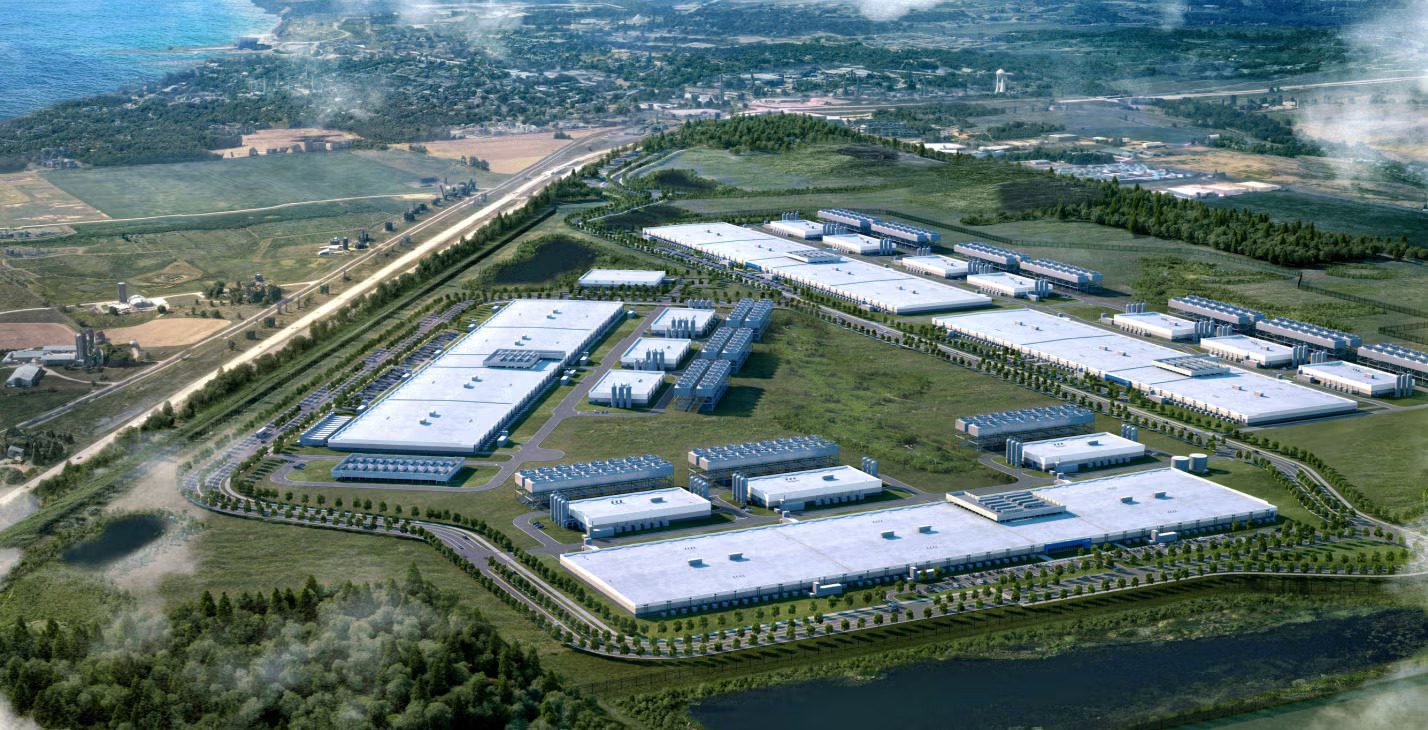
Oracle is staring down a financial headache that could run past 100 million dollars a year, and the root of the problem sits in a small city on the shores of Lake Michigan. After Wisconsin's energy regulator refused to reconsider the rules it set for large data centers seeking electricity, the tech giant now faces a guarantee requirement that could top seven billion dollars. The dispute over the Oracle Wisconsin data center has quickly become one of the clearest signs yet that the AI boom is running headlong into the practical limits of the American power grid, and that regulators are no longer willing to let tech companies write their own terms.
The decision, confirmed this week by the Public Service Commission (PSC) of Wisconsin, closes off a path Oracle had been counting on. It also lands at an awkward moment for the company, just weeks after a major credit rating downgrade left it with far less room to maneuver than it had a year ago.
What Happened With the Oracle Wisconsin Data Center Petition
The story begins with a joint petition filed by Oracle, its utility partner We Energies, and other parties involved in the project, asking the PSC to reopen or rehear a decision the commission had made back in April. That April ruling set the terms under which We Energies could serve so called Very Large Customers, a category created specifically for AI data centers, under what regulators call a Bespoke Resources Tariff.
Buried in that framework was a clause meant to protect ordinary electricity customers from having to absorb the cost of new transmission and generation infrastructure built solely to serve a handful of massive tech tenants. Any data center wanting to avoid posting financial collateral would need a credit rating of at least A- from S&P or A3 from Moody's. Fall short of that bar, and the company has to put up real money, either as a cash deposit or a letter of credit, to protect the utility's other customers if something goes wrong.
Oracle asked the commission to soften that requirement. This week, the PSC told the Financial Times it had simply declined to take action on the petition, effectively letting the April decision stand. For Oracle, that is not a small technicality. It is the difference between a manageable regulatory approval and a multibillion dollar obligation sitting on the balance sheet.
Inside the Lighthouse Campus Project
The facility at the center of all this is called the Lighthouse Campus, a data center complex under construction in Port Washington, a lakeside community just north of Milwaukee. The project is being developed alongside Vantage Data Centers and OpenAI, with We Energies supplying the power. Once finished, it is expected to draw close to one gigawatt of electricity, roughly enough to power several hundred thousand homes, all funneled into servers running AI workloads.
Projects of this scale are becoming common across the country as cloud providers race to build out capacity for generative AI, but few have generated as much friction with local regulators as this one. Wisconsin residents and consumer advocates showed up in large numbers during the review process, worried that a single tenant's power needs could end up reshaping the grid, and the bill, for everyone else nearby.
Why the Collateral Requirement Matters So Much
Under the framework the PSC left in place, Oracle would likely need to post a letter of credit worth more than seven billion dollars to satisfy the terms of its electricity contract. According to Oracle's own affidavit filed with the commission, the annual carrying cost of that guarantee alone could exceed 100 million dollars, a recurring expense with no clear end date tied to it.
Oracle has argued that this goes too far. In its filings, the company said its arrangement with We Energies already provides collateral worth the full value of its contractual obligations, and that layering an additional letter of credit requirement on top of that is neither necessary nor commercially reasonable. The company has also pointed to the thousands of construction and operational jobs the project is expected to bring to the region, along with the broader economic activity that tends to follow a facility of this size.
Consumer advocates see it differently. Groups such as the Citizens Utility Board of Wisconsin have argued that without solid collateral in place, ordinary ratepayers, families, small businesses, schools, could end up covering the cost of power plants and infrastructure built to serve a single company, if that company ever ran into financial trouble or scaled back its plans. Commissioner Kristy Nieto summed up the regulator's position plainly when the original rule was adopted, saying data center customers need to pay their own way in full and transparently, so that other ratepayers are held harmless.
Oracle's Credit Rating Downgrade Adds Pressure
The timing could hardly be worse for Oracle. Just before the PSC's latest decision, S&P Global Ratings cut Oracle's long term credit rating from BBB to BBB-, its lowest investment grade tier and just one notch above junk status. The downgrade was driven largely by Oracle's ballooning AI infrastructure spending and its heavy reliance on a single customer, OpenAI.
According to S&P, OpenAI accounts for roughly half of Oracle's 638 billion dollars in remaining performance obligations, the contracted future revenue that investors have been watching closely as a sign of Oracle's AI momentum. The concern is straightforward. If OpenAI were ever unable to meet its payment commitments, Oracle could be left holding long term leases on data center capacity that is difficult to unwind or re-lease on similar terms. S&P also flagged Oracle's surging capital expenditures, now projected to reach 90 to 95 billion dollars in fiscal year 2027, alongside a free operating cash flow deficit expected to widen to around 42 billion dollars.
That downgrade matters directly for the Oracle Wisconsin data center dispute, because the PSC's collateral exemption was tied to maintaining a credit rating of A- or higher. With Oracle now sitting well below that threshold, the exemption route it had hoped for is effectively closed, at least under the current rules.
How Oracle Is Responding
Oracle has not been sitting still. To shore up its financial position, the company has expanded its committed credit line to 10 billion dollars, arranged through a syndicate of banks including Bank of America and JPMorgan Chase. That gives Oracle more flexibility to meet collateral demands tied to the Oracle Wisconsin data center and its other AI infrastructure commitments around the country, even as its public credit rating slips.
A company spokesperson said Oracle remains committed to paying its full share of energy costs and providing the financial guarantees needed to ensure there is no risk to Wisconsin ratepayers. The company has also indicated it still hopes the commission will revisit its position, framing its proposal as one that balances paying its fair share with keeping a commercially reasonable path open for future investment in the state. Separately, Oracle has pursued a legal challenge in Ozaukee County Circuit Court, arguing the commission's credit rating threshold was set without sufficient evidence and exceeds its jurisdiction.
What This Means for the Broader AI Data Center Boom
The fight in Wisconsin is not happening in isolation. Utilities and regulators in other states are working through similar questions right now, trying to figure out how much financial responsibility a tech company should carry when it asks for enough electricity to power a mid sized city. Just days after Oracle's lawsuit was filed, a neighboring utility asked its own regulator to approve a comparable large customer tariff, suggesting this kind of collateral requirement may become the norm rather than the exception.
For Oracle, the Wisconsin case is a preview of a tension that is likely to follow it, and its AI industry peers, for years to come. Building the data centers needed to support generative AI requires enormous, long term power commitments, but the companies making those commitments do not always have the balance sheets to back them without help. As credit rating agencies grow more cautious about AI concentration risk, and as state regulators grow more protective of everyday electricity customers, the gap between what tech companies want to promise and what they can financially guarantee is only getting harder to ignore.
Whether the Wisconsin commission eventually softens its stance remains to be seen. For now, the Oracle Wisconsin data center saga stands as a reminder that the AI infrastructure race is not just about chips and code. It is also about power lines, credit ratings, and who ultimately pays when the numbers get this large.
Read More