





 Saturday, 24-10-26








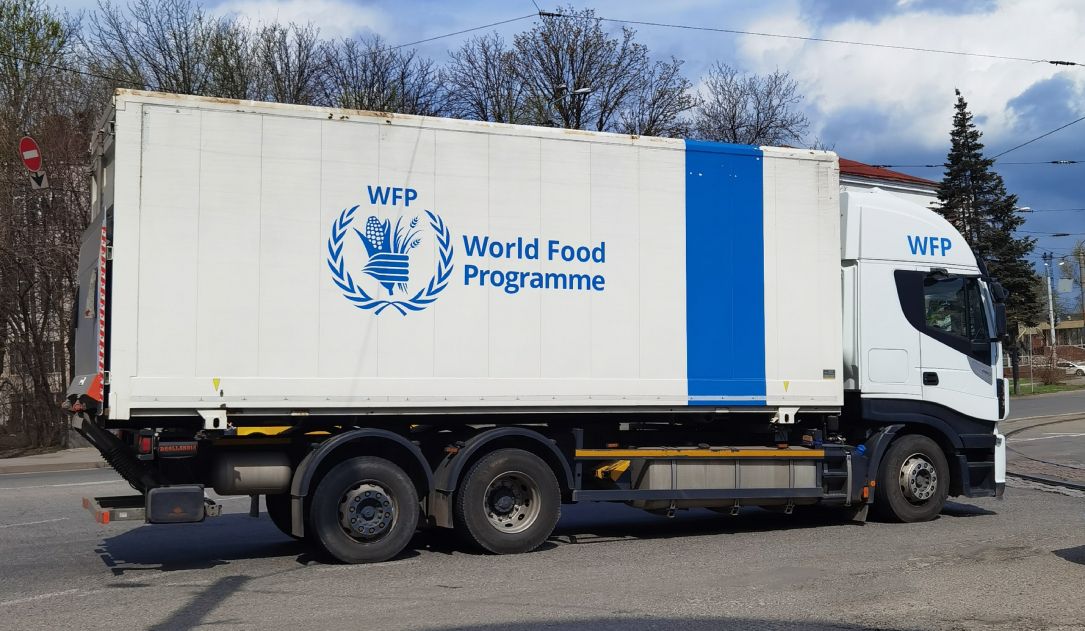
A recent WFP data breach has pushed one of the most sensitive issues in modern humanitarian work into the spotlight: what happens when the systems built to deliver life-saving aid become a source of risk themselves. According to reporting from The New Humanitarian and Anadolu, the World Food Programme confirmed that unauthorized actors accessed its self-registration application for Palestine, exposing sensitive personal information tied to roughly 600,000 Palestinian households in Gaza. The exposed records included names, ID numbers, mobile numbers, and location data. WFP said it detected the intrusion on May 14 and sent notifications to affected recipients on May 31.
That is a disturbing figure for any organization. In Gaza, it is more than a technical incident. It is a human risk. The same reporting says more than 2 million people in Gaza had submitted their personal information to WFP’s self-registration platform, which the agency used to reduce registration delays and speed up food and cash assistance. WFP also said it shut down the platform, contained the intrusion, and strengthened security controls after discovering the breach. No party has claimed responsibility so far.
How The WFP Data Breach Happened
The WFP data breach appears to have centered on the agency’s Self-Registration Application, or SRA, for Palestine. According to WFP’s statement quoted by The New Humanitarian, the system is used so individuals can register for food and cash assistance after verification. That makes the platform highly valuable to aid operations, but also highly sensitive because it concentrates personal data from people already living under extreme pressure.
WFP said the unauthorized access took place on May 14, and that the agency responded by taking the platform offline and tightening security. The New Humanitarian also reported that the breach may be the largest known exposure of humanitarian beneficiary data to date. That is not a small distinction. Humanitarian registries often store precisely the kind of information that can be misused in conflict settings: identities, phone numbers, and location details that can help track individuals or expose them to intimidation.
The incident is also part of a wider trend. The New Humanitarian noted that aid organizations are increasingly targeted by sophisticated cyberattacks, citing the 2022 breach of the International Committee of the Red Cross, which exposed sensitive data belonging to 515,000 people, and a later breach affecting the Norwegian Refugee Council. In that sense, the WFP data breach is not an isolated failure. It is another signal that humanitarian platforms have become high-value targets.
Why Gaza Aid Data Is So Sensitive
The problem is not only that data was exposed. It is what the data represented. WFP’s records were tied to households in Gaza that had already gone through a verification process to access essential support. In a humanitarian setting, data collection is often part of survival. People share personal details because they need food, cash, or basic relief. That means consent is rarely abstract. It is shaped by urgency, dependency, and very limited alternatives. 7amleh, a Palestinian digital rights group, said the breach involved roughly 600,000 Palestinian households drawn from a registered population of more than two million people.
That is why the WFP data breach carries a different weight from a typical consumer app leak. A leaked shopping account is a privacy problem. A leaked humanitarian registry can become a physical safety problem. The exposed fields included names, identity numbers, mobile numbers, and location data, which together can create a map of where vulnerable people are and how they can be reached. In a conflict environment, that can be enough to increase fear, intimidation, or displacement pressure. This is an inference based on the type of data exposed and the conflict context described by the sources.
WFP is not a marginal player. Its official website says the agency is the largest humanitarian organization saving and changing lives worldwide, with a presence in more than 120 countries and territories. It also says WFP brings life-saving relief in emergencies and uses food assistance to build peace, stability, and prosperity. That global scale is exactly why trust matters so much. When an institution that central to emergency response suffers a breach, the impact goes beyond a single database. It affects confidence in digital aid systems more broadly.
What The WFP Data Breach Means For Humanitarian Operations
The immediate question is not only who accessed the data, but how the system was protected before the attack and whether similar vulnerabilities exist elsewhere. The New Humanitarian reported that a whistleblower said WFP’s beneficiary feedback mechanism had received a warning from an independent expert about vulnerabilities in the SRA two days before the breach. That detail has not yet been independently verified in a formal public technical report, but it adds pressure to the broader accountability question around humanitarian cybersecurity.
For aid agencies, the lesson is uncomfortable but necessary. Digital registration is efficient, and efficiency matters when people need food now. Yet every digital shortcut also expands the attack surface. The more humanitarian systems rely on centralized online portals, the more attractive they become to intruders who understand that aid databases often contain dense clusters of vulnerable personal information. The WFP data breach shows that speed and security must be designed together, not treated as a tradeoff to be solved later.
There is also a reputational cost that aid agencies cannot ignore. Humanitarian work depends on trust from people who are already under stress. If families begin to fear that registering for assistance could expose them to harm, they may hesitate to seek help at all. That would turn a cyber incident into an operational setback with real world consequences. The Humanitarian sector has long argued that data protection is part of protection work, and this incident reinforces that point.
How Aid Groups Can Reduce Future Risk
The best response to the WFP data breach is not just patching one system. It is building a more defensive model for humanitarian data governance. That means limiting what is collected, shortening retention periods where possible, segmenting databases, and using stronger access controls across every point in the registration chain. It also means assuming that any system used in a crisis may be targeted, because in practice it probably will be. This is a reasoned inference from the breach reporting and the pattern of attacks on aid groups described in the sources.
Aid organizations also need clearer incident disclosure standards. When a breach affects populations in an active conflict zone, delays can intensify danger. WFP notified recipients on May 31 about a breach it said occurred on May 14. That gap may have been operationally unavoidable, but it highlights why rapid disclosure procedures matter. People exposed to risk deserve to know quickly what happened, what data was exposed, and what actions they should take.
The deeper issue is structural. Humanitarian agencies are asked to do more with less, often under conditions of conflict, displacement, and funding pressure. Digital tools help them scale, but they also create centralized targets. The answer is not to abandon technology. It is to treat cybersecurity as core humanitarian infrastructure, equal in importance to logistics, food supply, and field operations. That is the clearest lesson from this WFP data breach.
In the end, this story is about more than a hacked application. It is about the fragility of digital aid in places where people can least afford to lose trust. If humanitarian data is collected to save lives, then protecting it must be part of the saving. Anything less leaves the most vulnerable people carrying the cost of someone else’s security failure.
Read More