





 Tuesday, 27-10-26








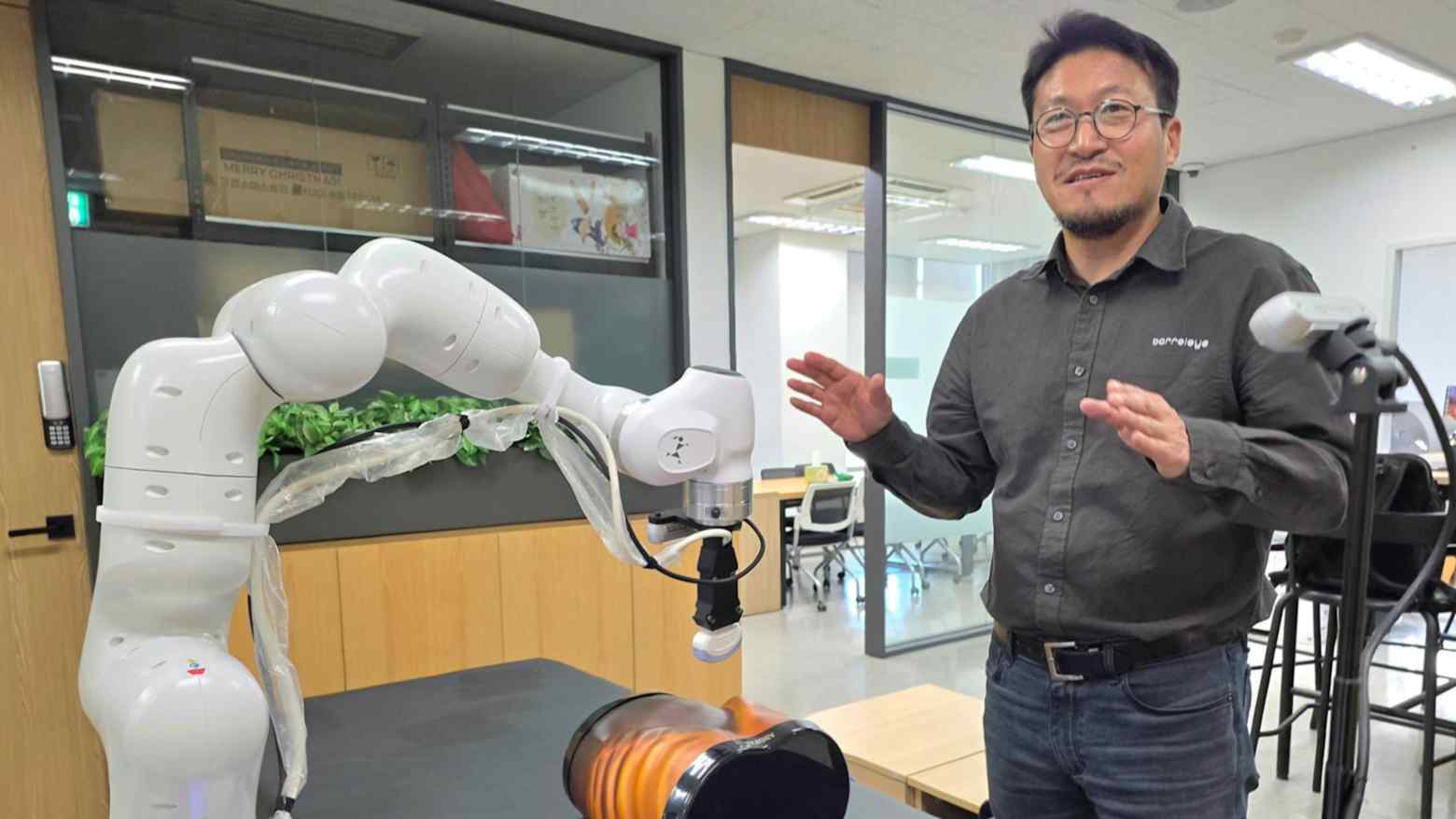
KAIST is no longer just a prestigious science and engineering university. It has become one of South Korea’s most visible startup engines, with a campus structure that appears designed not only to produce researchers, but to turn research into companies. KAIST is based in Daejeon, and its academic profile is heavily centered on science, engineering, and technology, with around 10,000 full-time students. That combination matters, because it creates a dense pipeline of technical talent, research capability, and commercialization potential.
What makes KAIST startups especially interesting is not a single breakout company. It is the institution’s ability to build a repeatable system. On the official startup site, KAIST offers dedicated support tracks for faculty entrepreneurs, student entrepreneurs, and general entrepreneurs, plus a Silicon Valley Frontier program and a startup achievements archive. In other words, entrepreneurship is not treated as a side activity. It is built into the university’s operating logic.
From Research Lab To Venture Pipeline
The strongest universities do not just publish papers. They produce commercialization pathways. KAIST has clearly invested in that transition through institutional support, visible startup programming, and an infrastructure that links education, research, and venture building. Its official site places startups and entrepreneurship alongside university-industry cooperation, which is a strong signal that commercialization is part of the core mission rather than a separate extracurricular track.
That mission has measurable output. KAIST’s startup statistics page reports 1,972 KAIST-founded startups as of December 31, 2024. The same page lists 105 trillion won in total assets, 38 trillion won in total sales, and 61,252 total jobs connected to those startups. Those numbers matter because they show scale, not just activity. They suggest that KAIST startups are not a symbolic success story. They are an economic force with real employment and revenue implications.
The structure behind that performance is also visible in the university’s startup office. KAIST maintains a dedicated startup achievements section that includes startup statistics, program performance, news, interviews, trend coverage, and resources. That kind of internal documentation is important because startup ecosystems rarely mature by accident. They mature when an institution learns how to collect know-how, share it, and recycle it into the next generation of founders.
Why KAIST Converts Science Into Companies
KAIST’s advantage starts with the quality and density of its technical environment. A university with a strong science and engineering focus naturally creates more opportunities for deep-tech spinouts than a broad, less specialized campus. But technical strength alone does not guarantee startup success. What matters is whether researchers are pushed, supported, and rewarded for bringing inventions outside the lab. KAIST appears to have built exactly that bridge.
A good example is KAIST’s Department Capital Meeting, or DCM, which the university described in May 2026 as a way to connect technology entrepreneurship with investment. KAIST said the program began in November 2021, and that the 2026 edition was its eighth. The event brought together venture capital firms and faculty members to strengthen entrepreneurship and technology commercialization, with the university noting that a continuous stream of faculty startup cases has led to actual investment. That is the kind of evidence investors pay attention to, because it shows a live pipeline between research and capital.
KAIST is also updating its entrepreneurial model for the AI era. In 2026, the university said it would introduce an AI-based solopreneurship model in which AI acts not just as a tool, but effectively as a co-founder supporting planning, development, marketing, and fundraising. This is a telling shift. It suggests that KAIST is not trying to preserve an old startup playbook. It is trying to rewrite it for a world where one founder, supported by AI systems, can move much faster than before.
What This Means For South Korea's Startup Scene
The broader significance of KAIST startups goes beyond campus pride. When a top technical university repeatedly turns research into companies, it changes the logic of the surrounding ecosystem. It gives students a more concrete path into entrepreneurship, gives professors a route to commercial impact, and gives investors a trusted source of technically credible deal flow. Over time, this can make a national startup scene more resilient because innovation does not depend only on external accelerators or imported venture capital. It is being generated from within the academic system itself. This is an inference from KAIST’s startup statistics, support infrastructure, and investor engagement programs.
KAIST’s work in robotics is a powerful illustration of that point. In an official news post, KAIST said it was gaining attention as a cradle of Korean robotics, citing robot startups founded on campus and pointing to Rainbow Robotics, founded by Professor Jun-Ho Oh, as a standout example that went public with humanoid technology. That matters because an IPO is more than a financial milestone. It is evidence that university-born technical ideas can travel all the way from laboratory development to market validation.
The same commercialization mindset is visible in KAIST’s applied engineering research. Reuters reported in December 2024 that KAIST’s Exoskeleton Laboratory developed the WalkON Suit F1, a wearable robot for paraplegics that can approach users, lock on, and assist with walking, climbing stairs, and lateral movement. That is not a startup story by itself, but it shows the kind of applied innovation culture that can feed future ventures. The university is not only producing theory. It is producing technologies that solve real problems in the real world.
For South Korea, the lesson is straightforward. If a university builds the right mix of research depth, startup support, capital access, and commercialization discipline, it can become much more than an academic institution. It can become a venture platform. KAIST startups show how that model works when it is taken seriously and repeated over time. The result is not just more startups, but a more connected innovation economy.
Read More