





 Tuesday, 20-10-26








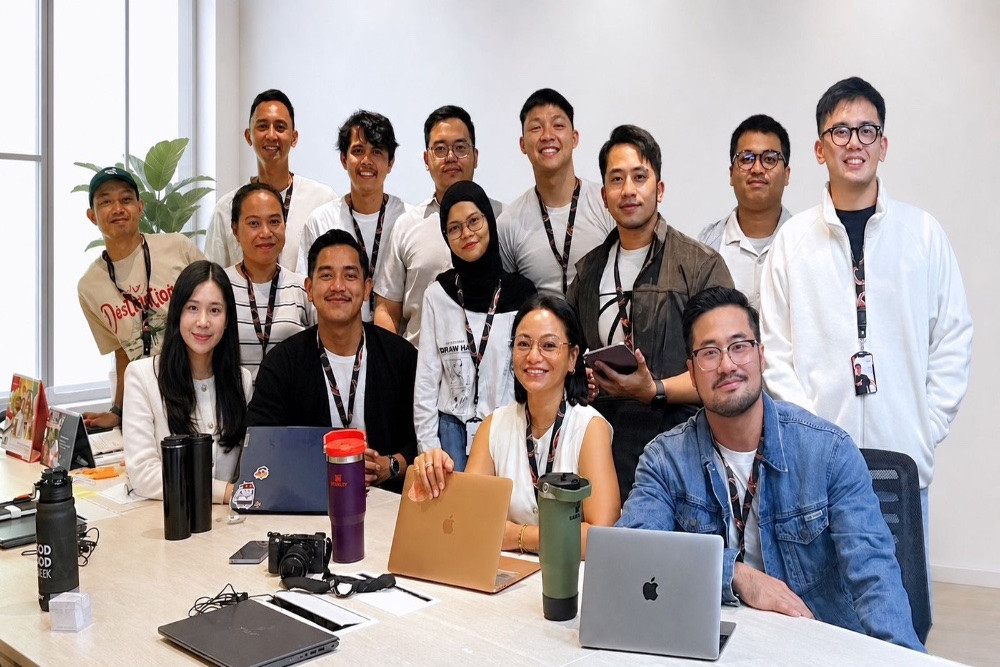
JumpStart has secured fresh momentum at a time when automated retail is becoming more relevant to how consumers buy everyday products. The company’s latest JumpStart Series C Funding from Cool Japan Fund is not just another financing headline. It is a signal that smart vending, cashless checkout, and AI-enabled retail infrastructure are moving deeper into Indonesia’s mainstream consumer economy. The investment is aimed at accelerating the development and expansion of next-generation vending machines across the country.
For a business that started in 2018 with a smart coffee vending machine, the trajectory has been unusually fast. JumpStart has grown from a niche concept into a broad automated retail platform that now includes smart mart machines, fresh juice dispensers, ice cream machines, cotton candy units, mystery box formats, and gamified vending setups used for brand activation. By the end of 2025, the company said it was operating more than 6,500 machines across Indonesia, with financial performance growing 200 percent year on year.
What makes this story important is not only the size of the fleet, but also the logic behind it. Cool Japan Fund has already backed JumpStart before, and its continued support suggests confidence in the company’s role as a distribution platform for Japanese beverages, confectionery, snacks, and ready to eat products in Indonesia. The fund’s earlier investment in 2023 explicitly framed JumpStart as a way to expand sales of Japanese food and beverage products through vending infrastructure and to help Japanese manufacturers reach Indonesian consumers more effectively.
From Smart Coffee To Automated Retail Platform
JumpStart’s growth story is a useful case study in how retail technology can scale in markets that value convenience, speed, and location flexibility. The company did not try to become everything at once. It began with smart coffee vending, then steadily added products and formats that fit different usage environments such as offices, malls, public facilities, and other high foot traffic spaces. That progression matters because it shows how JumpStart Series C Funding is being applied to a business model that has already been tested, refined, and expanded across multiple categories.
The company’s machines are not limited to beverages anymore. JumpStart has built a wider automated retail ecosystem that includes fresh juice options, snack distribution, novelty retail concepts, and brand activation tools. That breadth gives the company more than one revenue stream and makes the platform more attractive to partners that want physical distribution without the cost structure of traditional stores. In practical terms, the network works like a distributed retail layer that can place products where consumers already move, rather than waiting for consumers to visit a shop.
This is also where the AI and cashless angle becomes important. JumpStart is positioning its latest machines as more than mechanical dispensers. The company is building a retail interface that can collect consumer behavior data, support non cash payments, and create a more seamless buying experience. That combination is especially relevant in urban Indonesia, where contactless transactions and convenience driven consumption continue to shape purchasing habits. The funding round therefore supports not only physical expansion, but also the digital infrastructure behind the machines.
From an SEO perspective, the phrase AI vending machines is central to understanding the news because it captures the intersection of automation, cashless retail, and consumer convenience. It is also a phrase that reflects a broader market shift. Retail is no longer just about shelf space in a store. It is also about smart points of sale that can operate efficiently, gather data, and serve multiple product categories in compact formats. JumpStart is betting that this model can keep scaling in Indonesia.
Why Cool Japan Fund Is Doubling Down
Cool Japan Fund’s continued investment is strategically consistent with its earlier thesis. The fund’s 2023 press release said it invested in JumpStart because the company installs vending machines equipped with cashless and AI functionality to sell Japanese beverages, confectionery, and snacks in Indonesia. The stated goal was to expand sales of Japanese food and beverage products and create a platform for Japanese manufacturers to enter the Indonesian market more effectively. That original rationale still applies, but now it appears to be reinforced by stronger operating traction.
The latest JumpStart Series C Funding therefore looks less like an experimental bet and more like an extension of a working model. JumpStart is already sitting at scale, and its machine network gives Japanese brands a ready distribution channel in one of Southeast Asia’s largest consumer markets. For investors, this is attractive because it combines hardware, software, logistics, and retail demand into a single operating system. For Japanese brands, it reduces the friction of market entry and helps them reach customers in places where traditional retail expansion might be slower or more expensive.
There is also a broader investment logic here. Automated retail has become more appealing because it can be deployed in a modular way. A company does not need to lease large store formats or build a full retail chain to test product demand. A vending machine network can act as a market probe, a distribution tool, and a consumer touchpoint at the same time. That makes it especially useful for categories like beverages, snacks, and ready to eat items, where speed and convenience often matter as much as brand loyalty. JumpStart has clearly understood that advantage and built its model around it.
The funding also reflects confidence in the company’s operational discipline. JumpStart said the new capital will be used to expand its AI vending network, strengthen infrastructure and supply chains, widen product variety with Japanese partners, and improve the use of data and consumer insights to deliver more personalized experiences. Those are not abstract goals. They point to the operational core of a modern retail platform, where execution quality can matter as much as headline growth.
What The Funding Means For Indonesia's Retail Tech Market
The implications of this financing go beyond one company. Indonesia’s retail landscape is large, fragmented, and still full of opportunities for automation. A platform like JumpStart demonstrates that smart vending can sit between traditional retail and digital commerce, offering a physical channel that is fast, flexible, and increasingly data driven. In that sense, JumpStart Series C Funding may be read as a vote of confidence not only in the company, but also in the wider automated retail category.
For Indonesian businesses, the story is especially relevant because it shows how consumer infrastructure can be transformed without building conventional stores everywhere. Vending networks can be deployed in offices, malls, hospitals, universities, transit points, and public spaces. That matters in a market where convenience is a competitive advantage and foot traffic locations can be monetized through smaller, more focused retail units. It also opens the door for more local and international brands to test product placement in a controlled, scalable environment.
The machine count itself is another strong indicator of momentum. JumpStart said it had more than 6,400 vending machines by December 2025 and more than 6,500 by the end of 2025, which suggests a business that is continuing to add locations and categories rather than plateauing. When a retail tech company reaches that scale, the conversation changes from proof of concept to network optimization, product mix, and consumer insight. That is where AI and cashless systems become commercially useful rather than merely fashionable.
There is also a symbolic layer to this investment. A Japanese fund backing an Indonesian operator that distributes Japanese products through smart retail machines is a strong example of cross border commercial infrastructure. It is not just capital moving across markets. It is also a channel for products, consumer data, and retail innovation to move together. That makes JumpStart an interesting company to watch as Indonesia’s retail tech scene becomes more competitive and more mature.
For now, the message is clear. JumpStart is no longer merely a vending machine operator. It is building an automated retail platform with enough scale to matter, enough technology to stay relevant, and enough strategic support to keep expanding. If execution remains strong, this JumpStart Series C Funding round could become a reference point for how retail automation grows in Indonesia over the next phase of consumer transformation.
Read More