





 Monday, 26-10-26








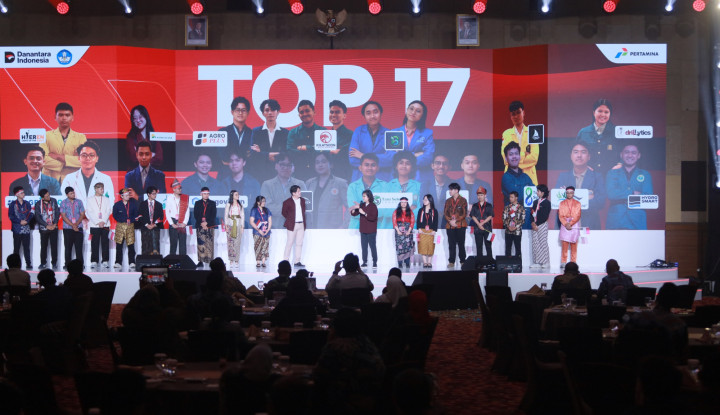
Pertamuda 2026 Signals A Bigger Ambition
Pertamina’s decision to open Pertamuda Seed & Scale 2026 is more than a routine campus program announcement. It is a sign that the company wants the student startup competition to become a serious pipeline for future entrepreneurs, especially those working in sectors tied to national development. The program opened for registration on 20 July 2026 and will accept applications until 22 September 2026. According to Warta Ekonomi, Pertamuda is now in its sixth year and is expanding beyond energy into agriculture, maritime, fisheries, and digital technology.
That wider scope matters. A student innovation program can become predictable if it only celebrates ideas. Pertamuda is trying to do something harder: connect student creativity to real markets, real institutions, and real sectors that matter to Indonesia’s economy. The official Pertamuda platform describes the program as the country’s largest business idea and startup competition for students, designed to build startups, expand networks, and create tangible impact through collaboration and sustainable innovation.
What Pertamuda 2026 Is Really Looking For
The core idea behind this year’s student startup competition is simple: find students who can turn campus ideas into viable businesses. Pertamina says Pertamuda Seed & Scale is meant to foster innovation aligned with the Sustainable Development Goals, support Asta Cita, and back strategic national programs through active youth participation. The program is open to active diploma and undergraduate students from public and private universities across Indonesia.
That focus on student founders is important because many campus programs stop at the idea stage. Pertamuda appears designed to move participants beyond pitch decks and into a broader ecosystem of mentorship, industry relationships, and financing access. The official site says the program helps launch student startups, strengthens entrepreneurial capacity, and opens access to funding, industry networks, and collaboration opportunities. In practical terms, this is what separates a real startup pipeline from a one-off competition.
Why Strategic Sectors Are The Real Story
One of the biggest changes in Pertamuda 2026 is its sector expansion. Warta Ekonomi reported that Pertamina is no longer limiting the competition to sustainable energy alone. This year, the program also covers agriculture, maritime, fisheries, and digital technology. That broader scope reflects a more mature view of innovation, because Indonesia’s economic challenges are not confined to one industry. They cut across food systems, logistics, marine resources, and digital transformation.
The expansion also makes the student startup competition more relevant to national priorities. A student startup in fisheries can improve supply chains. A digital platform can help farmers reach buyers. A maritime innovation can make coastal operations more efficient. These are not abstract themes. They are the kinds of solutions that can create jobs, improve productivity, and make local economies more resilient. Pertamina’s own messaging suggests it wants student ideas to become commercially useful, not merely impressive on paper.
The PGTC Connection Gives The Program More Weight
Pertamuda is part of a larger umbrella program, Pertamina Goes to Campus 2026, or PGTC 2026. ANTARA reported that Pertamuda was launched during the PGTC 2026 kickoff at the Bandung Institute of Technology on 21 May 2026. The event was positioned as a bridge between corporate expertise and the academic world, with Pertamuda serving as the startup acceleration platform within that broader educational framework.
That connection matters because it shows the student startup competition is not operating in isolation. PGTC is the wider engagement layer, while Pertamuda is the sharper entrepreneurial channel. In ANTARA’s reporting, Pertamina described Pertamuda as an incubation platform that helps student innovation move beyond the local level and compete nationally, even internationally. The company also used the theme “Beyond Borders” to underline its ambition to build a global network and startup ecosystem around the program.
Why Pertamina Is Pushing This Now
Pertamina’s rationale is rooted in a simple belief: Indonesia has a lot of talent, but not every good idea gets enough support to survive the jump from concept to market. That is why the company says Pertamuda is meant to help student ideas become economically valuable solutions. Warta Ekonomi quoted Pertamina Vice President Corporate Communication Muhammad Baron as saying the company wants to help young Indonesians turn ideas into innovations that benefit society.
The company’s broader narrative is also clear. Pertamuda is supposed to be a place where talent meets mentors, investors, and industry practitioners. That combination is what many young founders need most. A strong student startup competition does more than select winners. It helps participants understand product-market fit, build credibility, and navigate the long road between an idea and a functioning business. Pertamina’s public materials and partner coverage both point in that direction.
Why Students Should Pay Attention
For students, the value of Pertamuda goes beyond the prize stage. The official PGTC 2026 guide says the program is intended to strengthen entrepreneurship, open access to financing, and create opportunities for industry collaboration. It also mentions that finalists can gain access to site visits and international exposure through the larger program structure. Those benefits are important because young founders often need proof that their work is being taken seriously by industry.
The student startup competition model can also help students build confidence in fields where they may not yet have deep experience. A student with a fisheries idea does not need to be an established entrepreneur to participate. A digital tech team does not need a large office to start. What they need is a structured environment, relevant feedback, and a pathway to iterate quickly. That is exactly the kind of environment Pertamuda says it wants to create.
The Competition Also Reflects A Bigger National Trend
Pertamina’s program fits into a wider push across Indonesia to connect youth, innovation, and strategic sectors. The official Pertamuda materials explicitly tie the competition to SDGs, Asta Cita, and national strategic programs. That language is not decorative. It shows that startup support is increasingly being framed as part of development policy, not just corporate social responsibility.
This is also where the student startup competition becomes strategically interesting. If well designed, such programs can become early-stage talent scanners for industries that need fresh thinking. That includes energy, agriculture, maritime logistics, fisheries, and digital services. In a country as large and diverse as Indonesia, a student-led startup can sometimes spot a problem faster than a big institution can. The challenge is turning that insight into a scalable product. Pertamuda’s structure suggests Pertamina understands that challenge.
What Makes Pertamuda Different From A Typical Campus Contest
Not every campus competition is built to last. Many offer visibility, but not follow through. Pertamuda is trying to distinguish itself by combining competition with incubation, networking, and sector relevance. The official website explicitly positions it as a startup-building platform, while ANTARA describes it as an incubation space for innovations that can reach national and global markets. That is a stronger proposition than a normal pitch contest.
That distinction is what gives the student startup competition real SEO and editorial value as a topic too. Readers are not only interested in a registration window. They want to know what the program means, who it is for, and why it matters. In Pertamuda’s case, the answer is that the program is trying to create a bridge from campus creativity to strategic-sector entrepreneurship. That is a story with policy relevance, business relevance, and youth relevance all at once.
The Bottom Line
Pertamina’s Pertamuda Seed & Scale 2026 is a stronger and broader version of a campus innovation program. It is open to active diploma and undergraduate students, runs from 20 July to 22 September 2026, and now reaches beyond energy into agriculture, maritime, fisheries, and digital tech. It also fits into a larger PGTC framework that connects students with industry, mentorship, and startup opportunities.
For Indonesia, that makes the student startup competition more than a headline. It is a practical attempt to turn student ideas into economic value. For students, it is a chance to move from brainstorming to building. And for Pertamina, it is a way to support innovation in the sectors that matter most for the country’s future.
Read More