





 Friday, 23-10-26








Why The One-Door Export Policy Matters
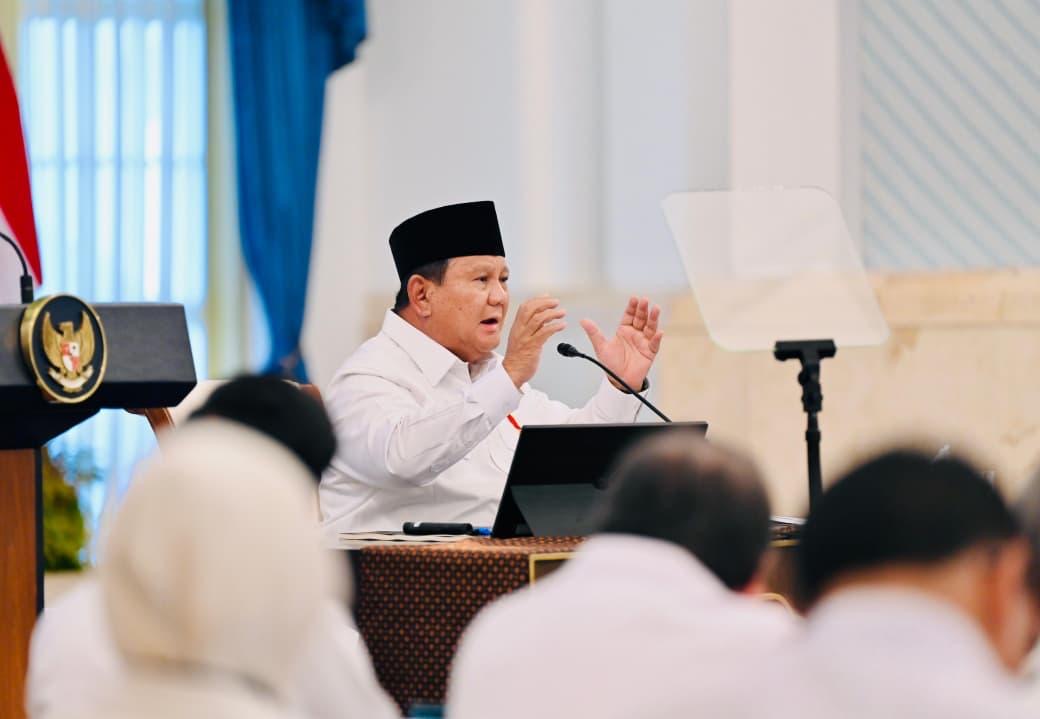
Indonesia’s one-door export policy has quickly become one of the most closely watched economic moves under President Prabowo Subianto. The policy is designed to centralize exports of strategic commodities through a designated state-owned entity, Danantara Sumberdaya Indonesia, while giving the government more visibility over pricing, documentation, and foreign exchange flows. Reuters reported that the policy is meant to increase state revenue, strengthen the rupiah, and curb under-invoicing, which has long been viewed as one of the channels for revenue leakage in commodity trade.
What makes the policy especially significant is that it is not just a technical export reform. It is also a political statement about state control, transparency, and the government’s willingness to intervene more directly in the commodity sector. Local reporting has described Prabowo as explaining the policy’s “birth journey” as a response to recurring leakage concerns, especially in exports of coal, crude palm oil, and ferroalloys. That is why the phrase one-door export policy has become central to the debate around Indonesia’s trade and fiscal direction.
How The Policy Was Built
The policy did not appear overnight. In May 2026, Prabowo first proposed a system that would require strategic commodity exports to go through a single state-linked channel, with a phased rollout that would begin with documentation and later extend to the full export chain. Reuters reported that this was framed as a response to under-invoicing and foreign exchange losses, while government materials said the policy was meant to keep more export proceeds onshore and support macroeconomic stability.
By June, the government had already moved into transition mode. Reuters reported that exporters of strategic commodities were required to route documentation through Danantara Sumberdaya Indonesia, while shipments themselves continued during the transition. The same reporting said full implementation was initially set for January 1, 2027. However, later local reporting said Prabowo accelerated the timeline, with some outlets saying the policy would be fully in force from September 1, 2026. That timeline shift is important because it shows how quickly the policy has moved from concept to near-term execution.
Why The Government Says It Is Needed
At the heart of the one-door export policy is the government’s argument that Indonesia has been losing too much value through weak oversight of commodity exports. Prabowo has repeatedly argued that under-invoicing, opaque pricing, and foreign-linked trading structures can drain national income and foreign exchange. Reuters and other reports said the president believes tighter control could prevent very large annual leakage, while some local outlets quoted him as warning about a long-running pattern of lost value in exports.
The government’s broader export-proceeds policy supports the same logic. In February 2025, Prabowo signed a regulation requiring exporters of natural resources, excluding oil and gas, to retain their export earnings onshore for at least one year. Reuters reported that the move was expected to add roughly US$80 billion to foreign exchange reserves and was designed to keep more hard currency inside the domestic financial system. In other words, the one-door export policy is part of a wider effort to make sure export value is not only generated, but also retained more effectively in Indonesia.
What Danantara Does In The System
Danantara’s role is one of the most important parts of the story. Reuters reported that the new export system is being handled through Danantara Sumberdaya Indonesia, a state company under the sovereign wealth fund Danantara. The company is expected to sit between producers and buyers, while the government says the arrangement will improve transparency and control over strategic commodity flows.
That design gives Danantara a very unusual role. It is not just an investor or passive holding entity. It is being positioned as an operational gatekeeper for exports of coal, palm oil, ferroalloys, and potentially other strategic commodities. Local reporting has also suggested that Danantara is supposed to support the policy with capital, personnel, and outside expertise, including the kind of know-how associated with international financial and commodity trading centers. That is why the one-door export policy is being discussed not only as a trade rule, but also as an institutional restructuring project.
Which Commodities Are Affected
The first phase of the one-door export policy focuses on strategic resources. Reuters identified coal, crude palm oil, and ferroalloys as the core commodities involved in the transition. Other reports also referred to those products as central because they contribute heavily to foreign exchange receipts and are seen by policymakers as sectors where leakage risks can be large if pricing and documentation are not tightly monitored.
That choice is not accidental. These are large, high-value, and globally traded commodities with complex supply chains. They are also sensitive to price benchmarking, contract structures, and cross-border invoicing practices. By starting with sectors like coal and palm oil, the government is targeting areas where it believes the biggest gains can be made quickly. The one-door export policy therefore reflects a selective approach, not a blanket change for all Indonesian exporters.
Why Businesses Are Watching Closely
Even when a policy is presented as pro-transparency, exporters naturally worry about how it will work in practice. Reuters reported that businesses have asked sharp questions about cash flow, contract continuity, payment structure, and whether sales through Danantara Sumberdaya Indonesia would be treated like normal export transactions in foreign currency terms. Those concerns are especially relevant for companies with existing long-term contracts or foreign-currency debt.
This is where implementation will matter more than rhetoric. If the one-door export policy reduces friction and improves pricing discipline, it could boost state revenue and strengthen trust in the system. But if the process becomes slow, unclear, or overly bureaucratic, it could disrupt trade relationships and create short-term uncertainty for exporters and buyers. That tension is why the policy has already become a major topic in financial and business circles.
The Bigger Economic Logic Behind The Policy
The wider rationale behind the one-door export policy is easy to understand. Indonesia wants more foreign exchange to stay inside the country, more export value to be recorded accurately, and more state oversight over sectors that generate massive earnings. Officials have argued that if the government can tighten control over commodity exports, it can protect reserve levels, reduce distortions, and improve the quality of public revenue.
There is also a macroeconomic angle. A steadier flow of export proceeds can help support the rupiah, which is one reason the policy has been framed as part of a broader stabilization effort. At the same time, the government is trying to convince markets that stronger control does not have to mean weaker commerce. If executed well, the one-door export policy could become one of the Prabowo administration’s defining economic interventions.
What Comes Next
The next stage will be about execution, not announcement. Reuters reported that the government had already begun the transition and that the Ministry of Trade would later issue detailed implementation rules. If the accelerated timeline reported by local outlets holds, then the policy will need to move from planning to full operational reality very quickly. That means exporters, customs authorities, Danantara, and line ministries all need to stay aligned.
The success of the one-door export policy will ultimately depend on whether it can do three things at once: cut leakage, preserve trade flows, and build confidence that the system is transparent rather than restrictive. That is a difficult balance, but it is also why this policy has drawn so much attention. It is not only about exports. It is about how Indonesia wants to manage strategic wealth in the years ahead.
Read More