





 Monday, 21-09-26








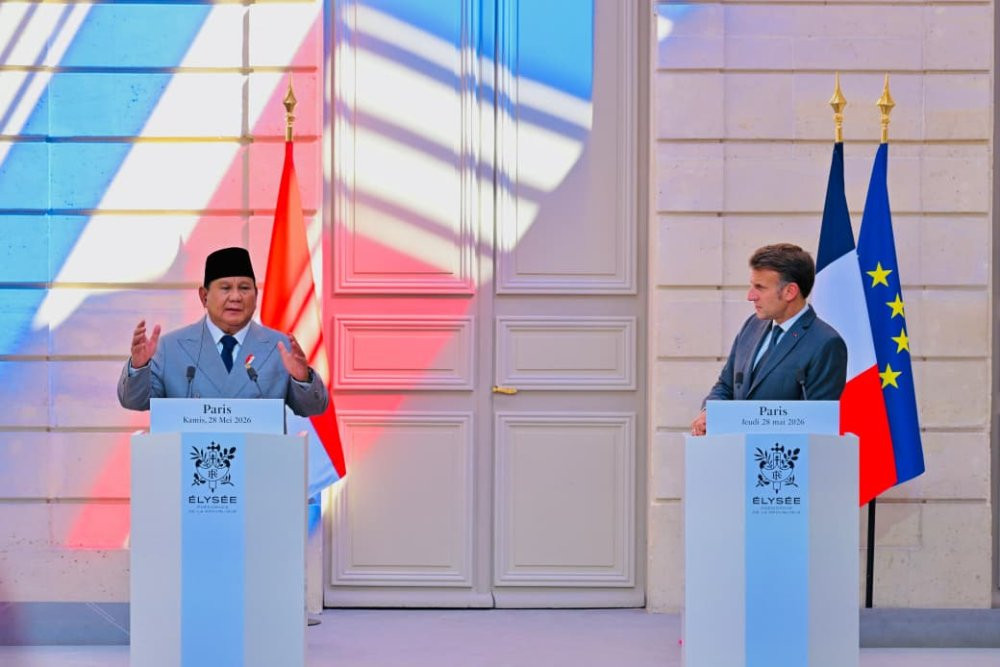
Trade relations between Indonesia and France are entering a new chapter following Indonesia's decision to expand market access for French dairy and beef products. The move was welcomed by French President Emmanuel Macron during his visit to Indonesia, highlighting the growing economic partnership between Southeast Asia's largest economy and one of Europe's leading exporters.
The latest development reflects a broader effort by both countries to deepen commercial ties amid evolving global supply chains and increasing demand for food security, industrial cooperation, and investment. While dairy and beef products attracted the most attention during Macron's visit, the significance of the agreement extends far beyond agriculture. It signals a stronger commitment to expanding Indonesia France Trade across multiple sectors, including machinery, transportation equipment, aerospace, pharmaceuticals, and consumer goods.
As Indonesia seeks to diversify its import sources and strengthen strategic partnerships with Europe, France stands to benefit from greater access to one of the world's fastest-growing consumer markets.
Why Indonesia Opened Its Market to French Dairy and Beef Products
Indonesia's decision to provide broader access for French dairy and beef products comes at a time when the country is facing rising food demand driven by population growth, urbanization, and changing consumption patterns.
The government has been actively seeking reliable international suppliers to support domestic food security while maintaining stable prices for consumers. France, known for its advanced agricultural sector and strict food safety standards, is viewed as a strategic partner capable of meeting Indonesia's growing needs.
The agreement also aligns with broader economic diplomacy efforts between Jakarta and Paris. During high-level bilateral discussions, both governments emphasized the importance of expanding trade cooperation and reducing barriers to market access.
For France, gaining greater entry into Indonesia's market represents a significant opportunity. With more than 280 million people and a growing middle class, Indonesia offers substantial demand potential for premium dairy products, processed foods, and high-quality beef imports.
The development also reflects increasing engagement between Indonesia and the European Union, as both sides continue discussions aimed at strengthening economic cooperation and facilitating trade flows.
The Current State of Indonesia France Trade
Although France is not among Indonesia's largest trading partners, bilateral trade has shown steady growth in recent years. According to trade statistics, Indonesia imports a diverse range of products from France. The country's top imports from France include:
- Aircraft and aerospace components
- Industrial machinery
- Pharmaceutical products
- Dairy products
- Electrical equipment
- Cosmetics and beauty products
- Chemical products
- Medical equipment
- Automotive components
- Processed food products
These imports support a wide range of Indonesian industries, from transportation and healthcare to manufacturing and consumer goods. Meanwhile, Indonesia exports products such as palm oil, rubber, footwear, textiles, seafood, coffee, and various manufactured goods to France.
The expansion of Indonesia France Trade through agricultural imports adds another layer to an already diversified economic relationship. French companies have long maintained a presence in Indonesia through investments in energy, infrastructure, transportation, aviation, and consumer products. The strengthening of trade relations could encourage further business expansion and cross-border investment opportunities.
Economic Benefits for Indonesia
The expansion of Indonesia France Trade could generate several benefits for Indonesia's economy. First, increased access to imported dairy and beef products may help improve domestic supply availability. Indonesia continues to rely on imports to meet a portion of its food demand, particularly for dairy products. By broadening its supplier base, Indonesia can reduce supply risks and improve market stability. This becomes increasingly important as global food markets experience volatility caused by climate change, geopolitical tensions, and supply chain disruptions.
Second, stronger trade relations with France can encourage greater investment inflows. French companies possess expertise in sectors that align with Indonesia's development priorities, including renewable energy, transportation infrastructure, advanced manufacturing, and healthcare. As bilateral cooperation expands, investment opportunities may emerge in areas such as food processing, cold chain logistics, sustainable agriculture, and industrial modernization.
Third, deeper economic engagement can facilitate knowledge transfer and technology exchange. French agricultural technology, food processing capabilities, and quality control systems could contribute to improving productivity and efficiency within Indonesia's food sector. The long-term impact may extend beyond imports and support broader economic development goals.
Opportunities for French Exporters
For France, the opening of Indonesia's dairy and beef market represents an important commercial opportunity. Indonesia is one of Asia's largest consumer markets and continues to experience rising household incomes. As purchasing power grows, demand for premium food products is expected to increase. French dairy producers, known globally for cheese, milk products, butter, and specialized dairy ingredients, could benefit significantly from expanding access.
Similarly, French beef exporters may find opportunities in Indonesia's hospitality, food service, and retail sectors. The growing popularity of international cuisine, premium restaurants, and modern retail formats has increased demand for imported food products among urban consumers. The expansion of Indonesia France Trade may also help French exporters diversify their customer base beyond traditional European markets. In recent years, many European companies have sought stronger positions in Asia to capture growth opportunities and reduce dependence on slower-growing domestic markets. Indonesia's favorable demographics and long-term economic outlook make it an attractive destination for French exporters.
Strategic Importance Beyond Agriculture
The significance of this development goes beyond dairy and beef products. The broader expansion of Indonesia France Trade reflects shifting global economic dynamics and the increasing importance of strategic partnerships.
Indonesia has been actively strengthening relationships with countries that can support its industrial transformation agenda. France possesses capabilities in several sectors that are critical to Indonesia's development, including:
- Aerospace and aviation
- Renewable energy
- Smart transportation
- Defense technology
- Healthcare innovation
- Advanced manufacturing
French companies have already participated in major Indonesian projects involving aviation, energy infrastructure, and transportation systems. As economic ties deepen, cooperation may extend further into technology transfer, research collaboration, workforce development, and sustainable industrial practices. This aligns with Indonesia's ambition to move up the global value chain and accelerate economic modernization.
Challenges and Considerations
Despite the positive outlook, challenges remain. Indonesia must balance import expansion with support for domestic producers. Agricultural stakeholders may raise concerns about competition from imported products, particularly if local farmers face difficulties competing with international suppliers. Policymakers will need to ensure that increased imports complement rather than undermine domestic production capacity.
Food safety standards, import regulations, and logistics infrastructure will also play critical roles in determining the success of the new market access arrangement. From France's perspective, maintaining competitive pricing and ensuring efficient distribution networks will be essential for capturing market share in Indonesia. The success of expanded Indonesia France Trade will ultimately depend on how effectively both countries address these practical challenges.
Future Outlook for Indonesia France Trade
The outlook for Indonesia France Trade appears increasingly positive. Indonesia's growing economy, expanding middle class, and rising demand for imported goods create substantial opportunities for French exporters and investors.
At the same time, France offers advanced technology, high-quality products, and industrial expertise that can support Indonesia's long-term development objectives. The opening of the dairy and beef market may serve as a catalyst for broader economic cooperation across multiple sectors. As global trade patterns continue to evolve, partnerships between emerging economies and advanced industrial nations are becoming increasingly important.
Indonesia and France appear well-positioned to benefit from this trend. If both governments continue reducing trade barriers and encouraging business collaboration, bilateral trade volumes could expand significantly over the coming years.
Conclusion
The decision to open greater access for French dairy and beef products marks an important milestone in Indonesia France Trade relations. While agriculture has become the immediate focus, the implications extend far beyond food imports. The move highlights growing economic cooperation between Indonesia and France, creating opportunities for exporters, investors, and businesses on both sides. For Indonesia, the agreement can support food security, investment attraction, and industrial development. For France, it provides access to one of Asia's most promising consumer markets. As bilateral relations continue to strengthen, Indonesia France Trade is likely to become an increasingly important component of both countries' economic strategies.
Read More