





 Tuesday, 30-06-26








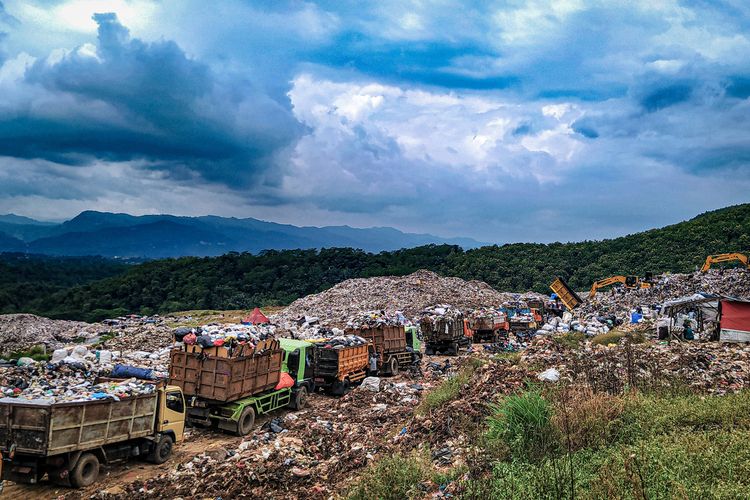
Indonesia is accelerating the construction of Waste to Energy (WTE) facilities to achieve 100% national waste management by 2029 (30/03).
The government is partnering with several provinces, including Banten, Central Java, and East Java, to speed up the development of these facilities.
Strategic Development of PSEL Facilities Across Key Regions
The Ministry of Environment recently signed cooperation agreements with local governments to build WTE facilities.
In Banten, two plants will be developed in Jatiwaringin, Tangerang Regency, and Cilowong, Serang City. Minister Hanif Faisol Nurofiq said these facilities are designed to process around 4,000 tons of waste per day.
The projects will be funded by Daya Anagata Nusantara (Danantara) as part of a national effort to provide waste management infrastructure based on energy recovery.
East Java is focusing on Surabaya Raya and Malang Raya using an agglomeration approach to integrate waste management across multiple districts.
Governor Khofifah Indar Parawansa emphasized that current waste management efforts not only dispose of waste but also utilize it for energy, particularly electricity.
Surabaya Raya generates 3,692 tons of waste per day, with a planned WTE facility in Kelurahan Sumberejo, Pakal, processing 1,100 tons per day. Malang Raya produces 1,947 tons daily, with its facility in Desa Bunut Wetan, Pakis, targeting 1,038 tons per day.
Community-Based Waste Sorting as the Foundation
Hanif Faisol Nurofiq stressed that technology alone is not enough. “
Whatever technology is used, the foundation sorts waste. Without sorting, processing costs rise and could burden the community,” he said.
Local governments are promoting waste sorting during the three-year construction period to ensure effective operation.
Governor Andra Soni of Banten added that the facilities in Serang Raya will serve as regional waste management centers covering Serang City, Serang Regency, and Cilegon City.
He noted that public awareness campaigns for waste sorting will continue alongside construction activities.
Presidential Directives Drive Faster Implementation
The acceleration of WTE projects follows President Prabowo Subianto’s instructions to implement these facilities in major cities.
Cabinet Secretary Teddy Indra Wijaya reported that Minister Rosan Perkasa Roeslani of Danantara is responsible for executing WTE projects in Jakarta, Tangerang, Bandung, Semarang, Surabaya, Medan, Bali, and other urban centers.
“The President wants the central government to quickly manage long-accumulated waste, transform it into electricity, and ensure a sustainable energy supply,” Teddy said.
This directive aligns with the 2025 Presidential Regulation No. 109 on urban waste management through renewable energy technology.
Economic and Environmental Benefits of Integrated WTE Systems
Hanif highlighted the importance of land readiness, accessibility, and proximity to water for PSEL development. Once sites are verified, Danantara will oversee construction.
The integrated WTE approach aims to solve waste problems while creating economic opportunities, jobs, and sustainable urban management.
PHOTO: JABARPROV
This article was created with AI assistance.
We make every effort to ensure the accuracy of our content, some information may be incorrect or outdated. Please let us know of any corrections at [email protected].
Read More