





 Friday, 09-10-26








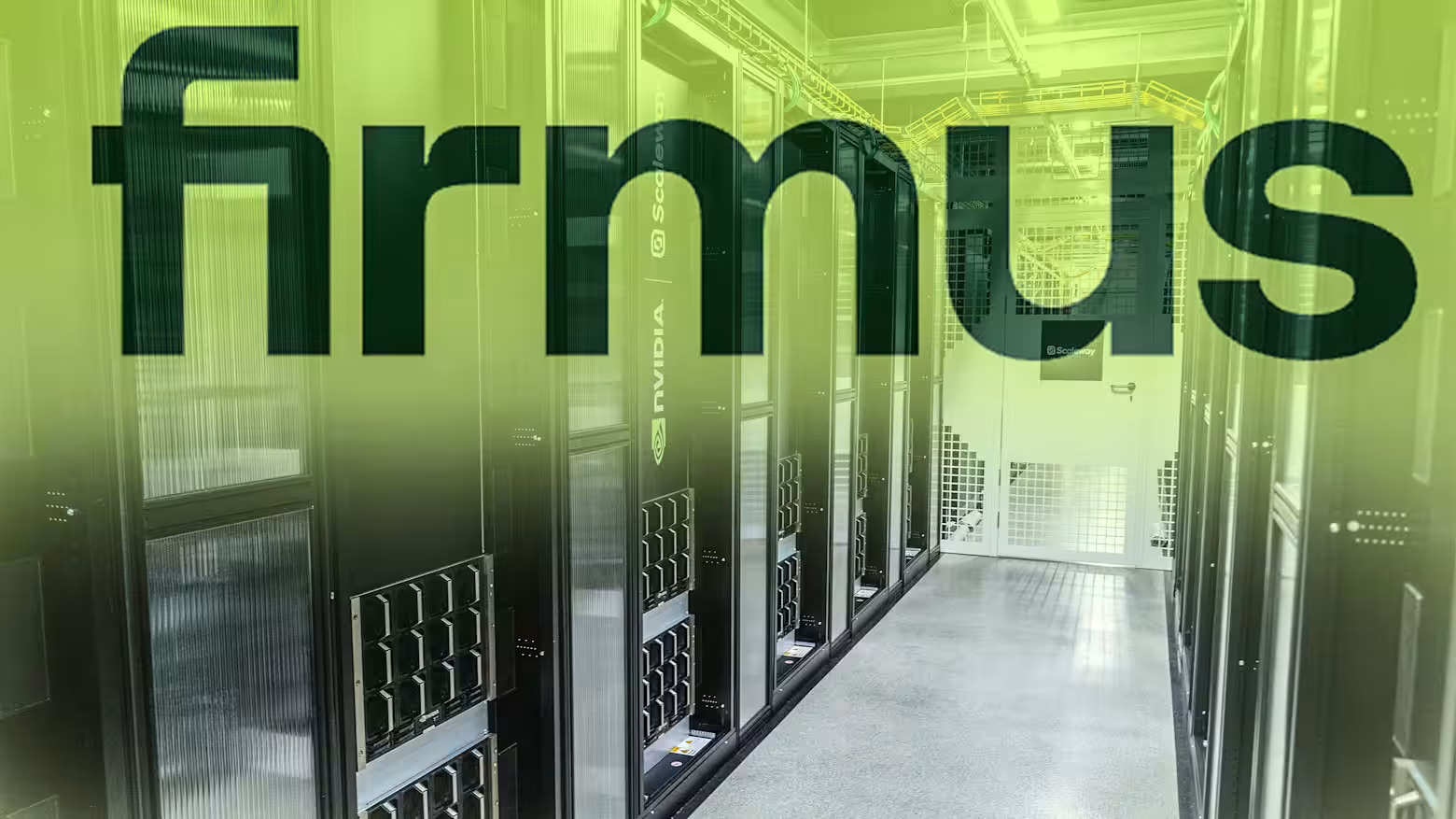
Firmus Technologies is putting Indonesia data center development at the center of a much bigger regional AI story. The Australian AI infrastructure company, which began as a Bitcoin mining operation in Tasmania, is now preparing to build its first Indonesian project in Batam with Nvidia support. According to reporting based on Bloomberg and republished by The Straits Times, the plan includes a 360MW Nvidia DSX AI Factory campus and an eight-year partnership that could unlock as much as US$30 billion in committed offtake agreements over the first six years.
That scale matters because the Indonesia data center market is no longer just about storage and cloud hosting. It is increasingly about compute, power availability, AI-ready design, and proximity to fast-growing digital demand. Batam, with its location just off Singapore and its existing push to become a digital hub, has become one of the most strategically important places in Southeast Asia for this next phase of infrastructure competition. The Firmus project shows that Indonesia is no longer only attracting conventional colocation investment. It is now competing for AI-grade capacity.
Why Batam Is Emerging As The Indonesia Data Center Hotspot
Batam has long had a geographic advantage, but geography alone does not explain the current momentum. The island sits near major subsea cable routes and close to Singapore, which helps reduce latency and improves regional connectivity. More importantly, Batam has become a practical landing point for digital infrastructure investors looking for scale, energy access, and a regulatory environment that can support large projects. Reuters reported in 2025 that DayOne and the Indonesia Investment Authority were already developing a data center campus in Nongsa Digital Park, financed by a record rupiah-denominated loan of 6.7 trillion rupiah, or about US$411 million. That earlier project underscores how serious Batam has become as an infrastructure cluster.
The momentum continued in 2026. BP Batam said the island was strengthening its position as a leading digital investment destination in Southeast Asia, citing a strategic electricity supply agreement for DayOne’s hyperscale campus. The agency described the project as a major expansion of digital infrastructure and said the agreement would support phased development through 2026 and 2027. In other words, Batam is not just talking about being an AI hub. It is actively building the utility backbone needed for one.
This matters for the Indonesia data center narrative because site selection has become a contest between power, policy, and ecosystem maturity. AI campuses are far more demanding than traditional facilities. They require enormous electricity loads, advanced cooling, and clear visibility on expansion timelines. Batam’s ability to attract both government support and private capital suggests that the island is being treated as a serious regional platform rather than a speculative bet. That is exactly why the Firmus announcement landed with so much force.
What The Firmus And Nvidia Partnership Really Means
The Firmus and Nvidia deal is more than a simple hardware supply arrangement. The Straits Times report based on Bloomberg says Firmus will gain access to Nvidia infrastructure through a revenue-sharing and credit-support structure, with access to as many as 170,000 Nvidia AI accelerator chips through 2027 and 2028. That kind of arrangement tells us two things at once. First, Nvidia is not just selling chips. Second, Firmus is trying to turn compute access into a recurring commercial platform.
For Firmus, this is a step up in both scale and credibility. The company was valued at US$5.5 billion in April, backed by Nvidia, and is reportedly being viewed as a possible IPO candidate in 2026. The Batam buildout gives it a concrete asset to point to when talking to customers, investors, and strategic partners. It also helps explain why the company is willing to prioritize Indonesia data center expansion even while it already has projects in Australia and Singapore. The market opportunity in Indonesia is large enough to justify a dedicated regional strategy.
Nvidia’s role is equally important. The company has already been active in Indonesia through partnerships tied to AI and cloud infrastructure, including work with GoTo and Indosat, while Microsoft has also pledged billions for cloud and AI expansion in the country. The new Firmus arrangement fits into a broader pattern: global technology companies are racing to secure physical infrastructure in Southeast Asia before demand outruns supply. The Indonesia data center market is becoming a battleground for access to compute, not just an address on a map.
There is also a business model shift embedded in the deal. Firmus expects as much as US$25 billion to US$30 billion in committed offtake agreements in the first six years of the Nvidia partnership. That suggests the company is trying to lock in demand before completion, which is a smart move in a capital-intensive sector where underutilization can be costly. By securing customers early, Firmus reduces some of the financing risk that usually comes with large-scale infrastructure projects.
Why This Matters For Indonesia’s AI And Investment Strategy
The Indonesia data center story is now tightly linked to the country’s broader AI ambitions. Reuters reported in July 2025 that Indonesia was drafting its first national AI strategy to attract foreign investment and guide infrastructure development, including computational clusters. That roadmap matters because investors want policy clarity as much as they want land and electricity. When governments provide direction on AI adoption, digital infrastructure, and industrial priorities, they reduce uncertainty for large-scale projects like the one Firmus is planning in Batam.
Indonesia is also showing more willingness to connect AI with real economic programs. Reuters reported on June 22, 2026 that the government was preparing to embed AI into key national initiatives, while also acknowledging the country’s infrastructure gaps and shortage of skilled talent. That combination of ambition and constraint is precisely why projects like the Batam campus are so significant. They are not isolated real estate plays. They are part of the infrastructure layer needed to make national AI policy credible.
Local institutions are also preparing for the ripple effects. ANTARA reported in May 2026 that the Ministry of Transmigration was ready to help prepare human resources for a Batam AI data center investment worth about Rp88 trillion, or around US$5 billion, describing the Nongsa project as a turning point for Batam’s future as a digital economy hub. That is a useful signal. It suggests policymakers are thinking not only about towers and substations, but also about labor supply, training, and local impact.
In practical terms, that means the Indonesia data center opportunity is expanding beyond conventional telecom and cloud infrastructure. It now includes AI factories, workforce development, power planning, and supply-chain positioning. It also includes strategic competition among regional hubs such as Singapore, Malaysia, and Indonesia, all of which want to capture the value chain around AI deployment. Batam’s location gives Indonesia a real chance to win business that prefers proximity to Singapore but lower operating costs and room to scale.
The bigger question is whether Indonesia can convert this wave of interest into durable industrial value. For now, the signs are encouraging. The country has a large domestic market, strong digital demand, and a government increasingly aware that AI needs physical infrastructure to work. The Firmus deal is therefore more than a headline. It is a signal that Indonesia data center expansion is moving from promise to execution, and that Batam may become one of the clearest test cases for how Southeast Asia builds the next generation of AI infrastructure.
Read More