





 Monday, 29-06-26








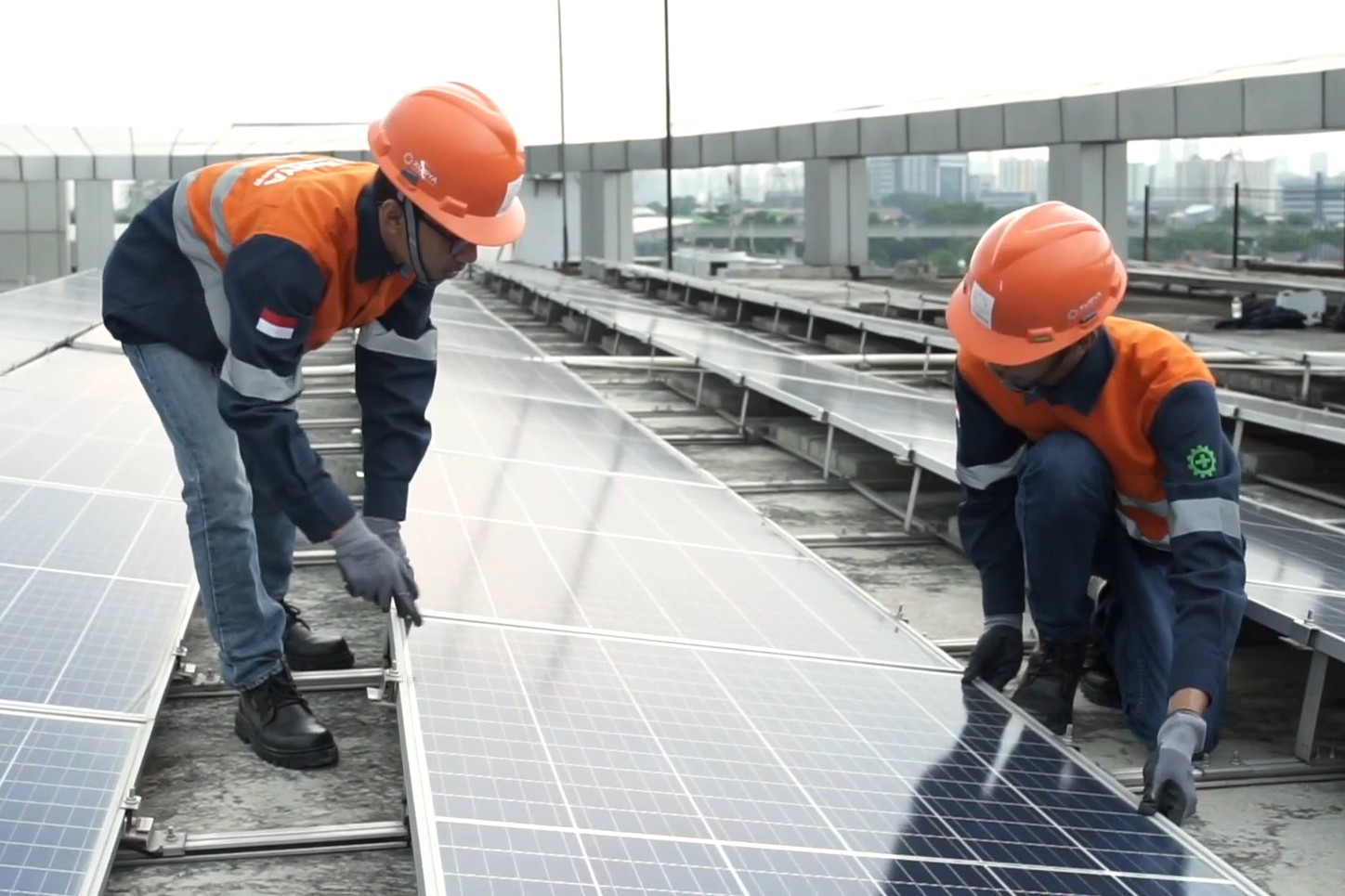
The performance of rooftop solar panels in malls is influenced by unpredictable weather due to climate change, as cloudy or rainy conditions can reduce sunlight absorption and affect electricity production (11/02).
Philip Effendy, Vice President Operations at Xurya Daya Indonesia, said, "One challenge is that sunlight cannot be absorbed optimally. However, the positive side is that rain actually cleans the panels naturally." He added that the rooftop solar models installed in Indonesian malls are designed to function during both rainy and dry seasons.
HI Avenue Becomes a Leading Mall for Rooftop Solar in Bekasi
The HI Avenue shopping mall, known for its family-oriented design and variety of lifestyle and F&B tenants, has installed rooftop solar panels. The system has a total capacity of 1,015.04 kWp, making it one of the largest rooftop solar installations in Bekasi.
Stepvensen, CEO of PT Pro Alpine Utama, said, "(Already feeling positive impacts?) Today, since the weather has been rainy, we still barely feel the positive impacts of this rooftop solar system. We hope to experience its benefits soon." He noted that the installation is part of a long-term strategy for responsible mall management.
Energy Production and Environmental Impact of HI Avenue’s Solar System
The rooftop solar system at HI Avenue is expected to produce more than 1.3 million kWh of clean energy per year. This reduces carbon dioxide (CO₂) emissions by around 1.2 million kilograms annually, equivalent to the absorption of more than 15,000 trees.
The system consists of 1,824 solar panels across 6,870 square meters. Daily production is estimated at 3,700 kWh, which covers approximately 26 percent of the mall’s total electricity needs.
Green Building Strategy and Support for Energy Transition
Stepvensen emphasized that the rooftop solar installation is part of efforts to support Indonesia’s energy transition. "Every technology has pros and cons, but the current technology aims for a green building. Although the capacity is not the largest, we hope to contribute, especially for Bekasi," he said.
Key Components and Monitoring of the Rooftop Solar System
The HI Avenue system consists of three main components. PV modules capture sunlight and produce direct current (DC) electricity. Solar inverters convert DC into alternating current (AC) for mall operations. The Zero Export System ensures solar energy is used within the mall and does not return to PLN’s grid, which supports grid stability.
The system’s performance is monitored in real-time through power meters and a centralized monitoring platform.
PHOTO: XURYA
This article was created with AI assistance.
We make every effort to ensure the accuracy of our content, some information may be incorrect or outdated. Please let us know of any corrections at [email protected].
Read More