





 Tuesday, 15-09-26








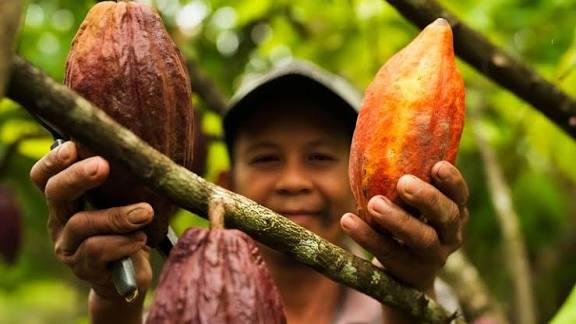
The global cocoa industry is undergoing a monumental shift as sustainability regulations, shifting trade dynamics, and consumer preferences reshape how agricultural commodities are produced and traded worldwide. At the forefront of this transformation is Indonesia, one of the leading cocoa producers in the world. While recent regulatory developments in Western Europe have dominated international news headlines, industry leaders across the archipelago are making it clear that Indonesian sustainable cocoa is intended for far more than just European chocolate manufacturers. As global demand for ethically sourced and environmentally responsible agricultural products rises, Indonesian growers and processors are positioning themselves to serve market opportunities across Asia, the Americas, and the Middle East.
This broader commercial strategy reflects both the economic reality of Indonesia's export footprint and a proactive vision for long-term agricultural resilience. With nearly ninety percent of Indonesia's cacao crop directed toward international buyers, establishing robust sustainability frameworks is essential not merely for regulatory compliance, but for ensuring long-term competitiveness in an interconnected global market.
Understanding the Global Push for Agricultural Sustainability
In recent years, the international agricultural trade has increasingly demanded strict compliance with environmental, social, and governance standards. The European Union Deforestation Regulation represents one of the most comprehensive regulatory frameworks aimed at decoupling commodity production from forest degradation. Under this framework, imported commodities such as cocoa, palm oil, coffee, and rubber must be proven to originate from land that has not been subject to deforestation after December 2020. Additionally, supply chains must demonstrate compliance with local labor and human rights laws.
However, as business leaders and agricultural advocates emphasize, adherence to these criteria should not be viewed solely as a hurdle for entering European ports. Sustainable agriculture principles encompass core social and environmental protections, including the elimination of child labor, prohibition of forced labor, protection of natural forest reserves, and responsible chemical management without banned pesticides. As trade policies evolve globally, non-European countries are expected to adopt similar sustainability benchmarks. By embedding these practices into national farming systems today, Indonesian sustainable cocoa can establish a trusted global reputation that transcends any single regional trade bloc.
The Economic Realities of Indonesian Cocoa Exports
Indonesia's cocoa sector holds a unique position in global trade. Unlike some primary agricultural exporters that process minimal raw material domestically, Indonesia has developed substantial grinding and processing infrastructure over recent decades. Today, the nation exports both raw beans and high-value intermediate cocoa products such as cocoa butter, powder, and liquor to chocolate manufacturers around the globe.
According to data from the Indonesian Cacao Association and the Cocoa Sustainability Partnership, approximately ninety percent of national cacao production is exported. Key export destinations span across Asian markets including China, India, Malaysia, and Singapore, as well as North American and Middle Eastern commercial hubs. Because Indonesia relies so heavily on foreign buyers, ensuring that Indonesian sustainable cocoa meets rigorous international criteria is vital for maintaining economic stability for hundreds of thousands of smallholder farming families.
Furthermore, trade negotiations play a pivotal role in maintaining a level playing field for Indonesian exporters. In many key markets, Indonesian cocoa products historically faced higher import duties compared to competing exports from other cocoa-producing nations. Lowering tariffs through strategic bilateral and multilateral trade pacts allows high-quality Indonesian goods to compete fairly on price while delivering superior sustainability credentials.
Navigating Trade Pacts and Tariff Barriers
Trade policy remains a crucial mechanism for expanding market access for Indonesian cocoa. A primary focus for national trade negotiators is securing preferential tariff structures that remove financial disadvantages for domestic processors. For instance, negotiations surrounding the Indonesia-European Union Comprehensive Economic Partnership Agreement aim to reduce import tariffs on Indonesian cocoa from existing levels down to zero percent over a multi-year timeline.
Economic officials view such agreements as transformative milestones for national exports. Zero-tariff access not only improves export margins for local processors but also stimulates new foreign direct investment into processing technologies, sustainable supply chain tracking, and farmer extension programs. Crucially, the lessons and framework developed during major trade negotiations equip Indonesia to negotiate similar high-value pacts with partners across Asia and the Middle East. By combining preferential trade access with verified sustainability compliance, Indonesian sustainable cocoa can expand its market share across rapidly growing consumer economies worldwide.
Empowering Smallholder Farmers Through Traceability and Certification
The core strength of Indonesia's cocoa sector lies in its smallholder farmers, who cultivate the vast majority of the nation's cocoa acreage. From the rich volcanic soils of Sulawesi to small farms in Bali and Sumatra, millions of rural families depend on cocoa cultivation for their livelihoods. However, smallholder-dominated supply chains present distinct challenges when implementing strict sustainability verification systems.
Unlike large industrial plantations, smallholder farming involves fragmented land plots and complex local trading networks. To meet global expectations, public institutions and industry groups are collaborating to roll out comprehensive mapping initiatives, farmer training workshops, and digital traceability systems. By collecting geolocation data and plot boundaries, organizations can verify that cocoa harvest parcels comply with environmental standards without placing undue administrative burdens on smallholder growers.
Investments in farmer training yield benefits far beyond regulatory compliance. Training smallholders in good agricultural practices, climate-resourced pruning, organic fertilization, and integrated pest management directly boosts farm yields and bean quality. As yields increase, farm incomes rise, fostering economic stability in rural communities. Consequently, promoting Indonesian sustainable cocoa serves a dual purpose: protecting natural ecosystems while lifting smallholder farming communities out of economic vulnerability.
Diversifying Market Destinations Beyond Europe
While European buyers represent a sophisticated market with high demand for certified commodities, emerging markets across Asia, North America, and the Middle East present immense growth potential. Asian economies, driven by expanding middle-class populations and changing dietary habits, are consuming significantly more chocolate and confectionery products than in previous decades. Markets in East Asia and South Asia offer proximity, established shipping corridors, and expanding processing capacity.
By adopting universal sustainability criteria, Indonesian exporters can supply these growing markets without requiring separate production standards for different regions. A single high standard of sustainability ensures that Indonesian cocoa meets the quality and ethical requirements of any international buyer, regardless of geographic location. This multi-market strategy insulates Indonesian producers from regional economic downturns or localized regulatory shifts, ensuring sustained export momentum.
The Path Ahead for Indonesian Sustainable Cocoa
The transition toward a fully sustainable and traceable cocoa supply chain requires ongoing investment, multi-stakeholder collaboration, and policy support. Government ministries, industry associations, non-governmental organizations, and international commercial partners must continue working together to support smallholder farmers on the ground. Expanding access to affordable financing, quality planting material, and digital mapping tools will be essential to maintaining progress.
Indonesia's vision for its cocoa industry demonstrates that sustainability is not merely a defensive measure to preserve market access in specific regions. Instead, it represents a forward-looking strategy to position Indonesian sustainable cocoa as a benchmark for quality, responsibility, and reliability in the global marketplace. As global supply chains continue to evolve, Indonesia's commitment to ethical farming practices will ensure that its cocoa industry remains vibrant, competitive, and resilient for generations to come.
Read More