





 Tuesday, 15-09-26








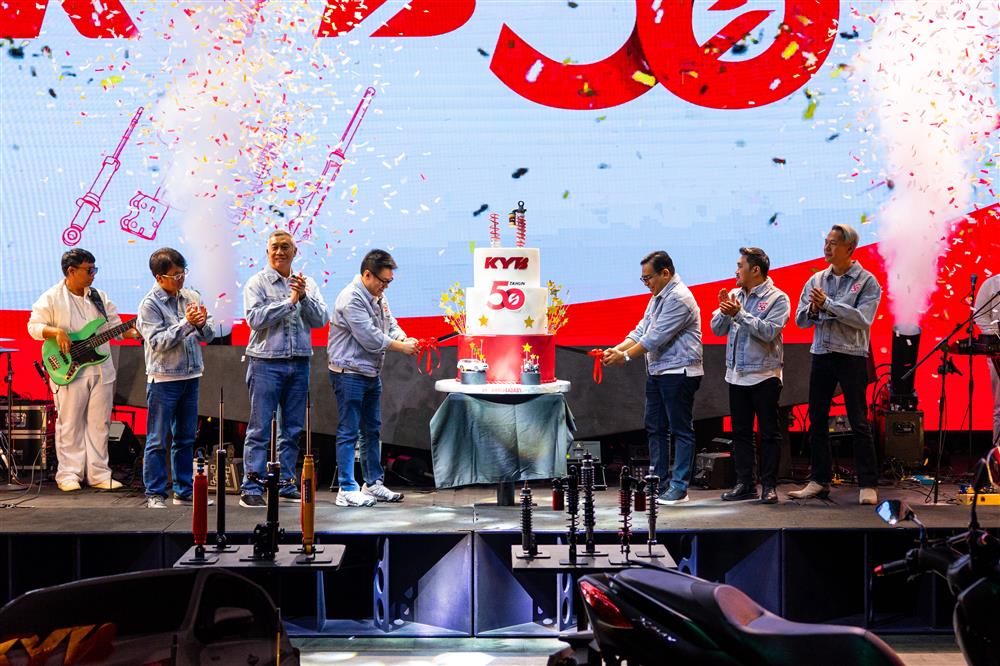
Indonesia's industrial economy has undergone a monumental transformation over the past half century, evolving from primary resource dependence into a regional manufacturing hub. At the center of this industrial journey stands PT Astra Otoparts Tbk, Southeast Asia's leading automotive component manufacturing and distributing group. Celebrating 50 years of continuous operation marks a significant corporate milestone that reflects both domestic industrial development and the global competitiveness of Indonesian engineering. The historical progress of Astra Otoparts Automotive Growth illustrates how local enterprises can evolve into international leaders through strategic joint ventures, continuous technology adoption, and disciplined operational management.
From its early roots in 1974 as a modest component trading and manufacturing enterprise, Astra Otoparts has steadily expanded its footprint. Today, the group operates dozens of specialized business units, manufacturing plants, and a comprehensive retail distribution network that services both domestic and global markets. By catering to major original equipment manufacturers while simultaneously building direct consumer retail networks, the company has created an integrated ecosystem capable of weathering economic shifts. As the organization moves into its next half century, its strategic priorities are expanding beyond conventional combustion vehicle components toward electric mobility, digital supply chains, and green manufacturing.
Five Decades of Industrial Transformation
Understanding the structural development of Indonesia's manufacturing sector requires looking at how local component suppliers built their production capacities over time. The historical trajectory of Astra Otoparts Automotive Growth provides key insights into how domestic firms successfully acquired technological capabilities. During the 1970s and 1980s, Indonesian industrial policies began prioritizing local content requirement targets for the automotive sector. Recognizing the necessity of technical precision and scale, Astra Otoparts actively established joint ventures with world leading component manufacturers, particularly prominent Japanese firms such as Denso Corporation, Aisin Corporation, GS Yuasa, Kayaba, and Akebono Brake.
These strategic partnerships served as essential pathways for technical knowledge transfer, advanced quality assurance practices, and precision production methodology. Rather than confining its scope to simple assembly operations, Astra Otoparts invested heavily in foundational manufacturing infrastructure, including metal casting foundries, high precision machining centers, sheet metal stamping, plastic injection molding, and rubber formulation. Over five decades, this dedicated investment enabled local engineering teams to master intricate production processes, dramatically raising overall domestic manufacturing quality and providing employment for tens of thousands of skilled workers.
As vehicle sales surged across Indonesia during the 1990s and 2000s, Astra Otoparts consolidated its market presence and listed on the Indonesia Stock Exchange under the ticker AUTO. The operational foundation established during those early expansion decades provided the structural stability necessary to navigate major regional financial disruptions, global supply chain realignments, and shifting market dynamics while maintaining market leadership across both two-wheeler and four-wheeler vehicle segments.
Core Business Pillars and Market Leadership
The ongoing success of Astra Otoparts Automotive Growth stems from its dual business model, which balances the Original Equipment Manufacturer (OEM) segment with the Replacement Market (REM) segment. This dual structure provides operational stability, allowing robust revenue generation during automotive market expansions while insulating the corporate balance sheet during periods of lower vehicle sales.
In the OEM division, Astra Otoparts designs, engineers, and supplies high precision components directly to major vehicle assemblers operating in Southeast Asia. Key clients include leading international vehicle brands such as Toyota, Daihatsu, Honda, Isuzu, Mitsubishi, Suzuki, Yamaha, and Kawasaki. The group manufactures a vast array of critical vehicle assemblies, including engine components, power transmission systems, chassis units, electronic drive modules, suspension assemblies, and body panels. Operating under strict global production standards, every facility utilizes comprehensive quality control frameworks to ensure locally produced components meet or exceed international safety and reliability standards.
Complementing its original equipment production, the REM division addresses the ongoing maintenance, repair, and replacement demands of millions of vehicle owners across Indonesia. Astra Otoparts distributes established house brands such as Aspira, GS Astra, Federal Parts, and Incoe through a widespread wholesale network and direct retail chains. The development of dedicated retail service networks such as Shop&Drive, Shop&Bike, and Motoquick revolutionized automotive aftermarket service in Indonesia. By offering standardized pricing, guaranteed genuine components, transparent service procedures, and convenient urban locations, these retail platforms built strong brand trust among everyday motorists.
Transitioning Toward Electric Vehicles and Mobility Solutions
The global automotive industry is undergoing its most profound technical shift in a century as transport systems pivot from internal combustion engines toward electric powertrains and sustainable energy solutions. Demonstrating forward thinking leadership, Astra Otoparts Automotive Growth is increasingly defined by proactive investments in electric vehicle (EV) infrastructure, component localization, and digital mobility platforms. Recognizing that electrification represents the future of personal and commercial transport, the company has integrated clean energy technologies directly into its long term strategic growth plan.
Under its proprietary charging station brand, ALTCharge, Astra Otoparts has engineered and deployed an expanding network of electric vehicle charging points across strategic commercial properties, office complexes, and public hubs in Indonesia. These charging installations accommodate the rising number of battery electric vehicles and plug-in hybrid models entering the market, offering reliable power delivery and user-friendly digital payment interfaces. In parallel, the company's research and development engineering teams are designing specialized components tailored specifically for electric two-wheelers and four-wheelers. These include high efficiency electrical wiring harnesses, lightweight structural chassis elements, electric drive motors, and electronic control units.
By adapting its manufacturing footprint to support EV assembly, Astra Otoparts ensures that its long term growth remains secure as vehicle powertrains change. This proactive modernization minimizes systemic risk associated with declining demand for traditional engine components while positioning the enterprise to capture high margin opportunities in energy storage, power electronics, and connected mobility technology.
Operational Excellence and Global Export Reach
While maintaining a commanding presence in the domestic market, Astra Otoparts has actively extended its commercial reach beyond national borders. The expansion of Astra Otoparts Automotive Growth on the global stage highlights the company's ability to satisfy rigorous international quality standards and compete effectively against global component suppliers. Today, the group exports high quality automotive components to more than 50 countries across Asia, Africa, Europe, North America, South America, and the Middle East.
Global automotive manufacturers choose Astra Otoparts components due to the group's relentless adherence to lean manufacturing principles, operational efficiency, and continuous quality improvement. Across its manufacturing network, the enterprise has integrated key technologies associated with Industry 4.0. Production facilities feature automated optical inspection devices, robotic welding units, real time sensor telemetry, automated guided vehicles, and predictive maintenance algorithms. These technological implementations improve manufacturing accuracy, minimize material waste, and guarantee that output meets exact global specifications.
Furthermore, the group's robust supply chain integration allows it to manage raw material procurement efficiently, ensuring uninterrupted supply delivery schedules even during periods of global trade uncertainty. By building a diversified international customer portfolio, Astra Otoparts reduces reliance on any single domestic market segment while bringing valuable foreign exchange revenue into the national economy.
Sustainability Commitments and Strategic Future Outlook
In modern industrial manufacturing, long term commercial success depends on a firm's commitment to Environmental, Social, and Governance (ESG) principles. As Astra Otoparts celebrates half a century of achievement, executive leadership has embedded corporate sustainability directly into the core operating philosophy of the business, ensuring that future expansion remains ecologically responsible and socially inclusive.
To lower its carbon footprint across all manufacturing operations, Astra Otoparts has executed a structured corporate decarbonization strategy. High efficiency photovoltaic solar panel installations have been mounted across manufacturing plant roofs, generating clean electrical power directly on site and reducing dependency on fossil-fuel-powered utility grids. In addition to solar energy adoption, the company has instituted comprehensive industrial waste reduction measures, advanced water recycling plants, and energy efficient lighting systems across every production facility.
From a social perspective, Astra Otoparts maintains extensive community empowerment initiatives, focusing on vocational technical training, educational grants, and local healthcare improvements. By partnering with vocational high schools and technical institutes, the company helps upgrade local engineering curricula, ensuring that students gain practical knowledge in modern manufacturing practices. This investment creates a skilled technical workforce for the broader industrial sector while enhancing economic opportunity in surrounding communities.
Looking ahead to the coming decades, the legacy of Astra Otoparts Automotive Growth will be defined by its resilience, technological flexibility, and commitment to sustainable progress. Built upon 50 years of engineering excellence, strong strategic alliances, and deep operational expertise, Astra Otoparts remains poised to lead Southeast Asia's automotive component sector into a clean, electrified, and digitally connected future.
Read More