


 Thursday, 29-10-26


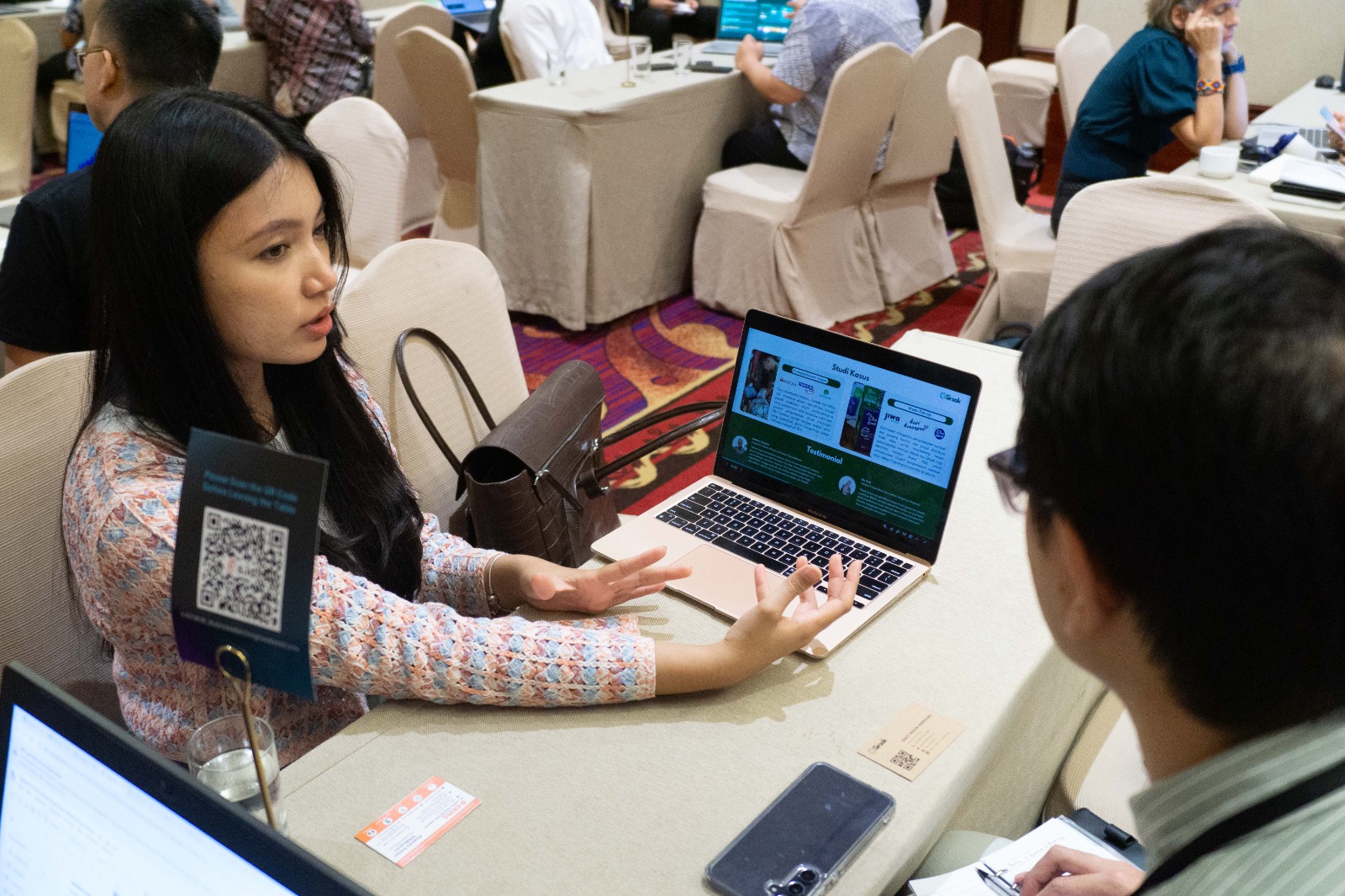
The landscape of digital innovation and technological advancement in Southeast Asia is rapidly evolving. At the heart of this transformation is a concerted effort from both public and private sectors to provide comprehensive support for emerging digital businesses. Recently, the Ministry of Creative Economy facilitated a massive networking initiative aimed at accelerating commercial growth for early stage tech companies. The ASTA Business Matching Forum, a core component of the KUMPUL Connect for Change Summit 2026, successfully hosted a series of strategic meetings tailored for Indonesian Startups. This initiative was specifically designed to help emerging businesses scale their operations, connect with global investors, and secure a firmer foothold in the highly competitive international tech market.
During the extensive networking summit, exactly 57 business meetings took place, completely surpassing the initial government target of 50 sessions. The event organizers brought together 26 different Indonesian Startups and matched them strategically with 23 industry partners from both domestic and global backgrounds. This curated networking environment allowed visionary founders to directly pitch their software solutions, seek out collaborative project opportunities, and engage in high value financial negotiations. The ultimate goal of the forum was not just to exchange business cards, but to foster long lasting strategic partnerships, expand overall market access, and drive mutual economic growth across international borders.
The Strategic Vision Of The Ministry Of Creative Economy
Economic diversification remains a highly critical component of sustainable national development. The Minister of Creative Economy, Teuku Riefky Harsya, emphasized clearly that the creative sector is rapidly becoming a powerful new engine for national economic growth. This ambitious vision aligns perfectly with the National Creative Economy Master Plan set for the period of 2026 to 2045. By recognizing the immense monetary value generated by intellectual property, digital content, and software development, the government is shifting its primary focus toward sustainable and technology driven industries.
Among the 21 different subsectors categorized under the broad creative economy umbrella, software applications have been officially identified as one of the seven main priorities for the upcoming decade. The financial data recorded throughout 2025 highlights the sheer economic importance of this specific digital subsector. Overall investments in software and applications reached an impressive 54 trillion Indonesian Rupiah. This figure represents the highest investment value among all creative economy categories, signaling strong investor confidence in the local digital talent pool and the technological capabilities currently present within the region.
To maintain this incredible momentum, the government is fully committed to supporting application developers throughout the entire commercial value chain. This comprehensive support structure covers every single phase of product development. The journey begins from the initial brainstorming of ideas, moves carefully through production, distribution, and marketing, and culminates in the strict legal protection of intellectual property rights. By providing a highly secure and supportive ecosystem, the government hopes to ensure that local digital talents can build sustainable businesses that are fully equipped to compete and win on the global stage.
Expanding Market Reach For Growing Enterprises
A major educational highlight of the event was an exclusive panel discussion titled "What Does It Take to Take Indonesia's Creative Economy Global?". Held at the main Bridge Arena on October 20, this session featured prominent tech figures including Muhammad Neil El Himam, the Deputy for Digital Creativity and Technology at the Ministry of Creative Economy. He was joined on stage by esteemed representatives from the Victoria State Government, the Singapore Business Federation, and Monash University.
The lively discussion centered heavily on the commercial readiness of local creators and digital entrepreneurs to enter foreign consumer markets. Key conversation topics included the strategic adoption of emerging internet technologies, the financial monetization and legal protection of intellectual property, and the crucial role that international trade networks and research institutions play in facilitating cross border business expansion. Neil stressed that technical creativity alone is not enough to guarantee financial success in international markets. Ambitious entrepreneurs must also possess a deep understanding of the specific consumer demands and cultural nuances of their target demographics.
Furthermore, mastering modern technology and effectively managing intellectual property assets are absolute requirements for any planned global expansion. The active daily involvement of government bodies, trade associations, and academic institutions is deemed essential to bridge the lingering gap between local creators and the expansive global corporate ecosystem. The support from these institutional pillars gives Indonesian Startups the leverage they need to confidently navigate the complex legal and financial realities of international trade.
Embracing Innovation Through Artificial Intelligence
Another highly critical session that captured the full attention of attendees was the Executive Lab Forum, which focused specifically on the theme "From AI Adoption to Investable Innovation". This specialized technical forum was heavily supported by major financial players including BNI Ventures and AI Ignition. The primary objective of this specific session was to explore how artificial intelligence solutions can seamlessly transition from being mere technological novelties into highly practical innovations that solve real world corporate problems.
Modern investors are increasingly looking for highly scalable software solutions that demonstrate clear business value and measurable financial impact. The panel discussions highlighted the immense importance of developing artificial intelligence tools that directly address genuine market needs rather than focusing solely on raw technical complexity. Artificial intelligence is no longer a futuristic concept but a highly practical tool utilized across numerous traditional sectors today. Whether applied in financial technology, healthcare solutions, or logistics management, intelligent automated systems are streamlining daily operations and drastically cutting operational overhead costs.
By prioritizing user centric software design and practical commercial utility, tech companies can create highly attractive investment opportunities. This mental shift in perspective is absolutely essential for securing the venture capital funding required to scale business operations and achieve long term corporate sustainability. Investors actively recognize this paradigm shift and are purposefully allocating capital toward ambitious ventures that exhibit sustainable artificial intelligence integration.
Bridging The Financial Gap For Medium Enterprises
While many tech companies in the region have successfully developed mature and market ready software products, they very often encounter significant logistical roadblocks when attempting to scale their business operations globally. Tri Wahyudi noted during his presentation that limited access to international corporate partners and foreign venture investors remains a major hurdle for many founders. The ASTA Business Matching Forum was specifically designed and executed to completely dismantle these invisible barriers, transforming initial social introductions into concrete, actionable, and profitable business collaborations.
Additionally, the Global Innovation Tour held on October 21 provided an invaluable educational opportunity for international networking groups to witness the sheer potential of the local creative economy firsthand. Faye Wongso, the Founder and Chairperson of KUMPUL, brought significant attention to a systemic financial issue commonly known as the Missing Middle. This economic concept refers to the critical gap in financing, global market access, new technology adoption, and corporate business networks that medium sized enterprises often face during their most crucial growth phases.
The Missing Middle is a well documented phenomenon in emerging global markets where micro businesses thrive on small government grants and large corporations easily secure traditional commercial bank loans, leaving medium tier tech companies struggling to find appropriate financial backing. When expanding operations, these medium tier enterprises require massive capital injections to scale their cloud server infrastructures, hire highly specialized digital talents, and execute comprehensive international marketing campaigns. Addressing this financial gap is vital for ensuring that these highly promising businesses do not stagnate but instead continue their rapid upward trajectory.
The Role Of Global Networking In Scaling Businesses
In today's highly digitized global marketplace, securing venture capital is only one small part of the equation for long term commercial success. Establishing robust international corporate networks is equally crucial. The daily interactions that take place at massive networking events like the World Conference on Creative Economy provide an invaluable platform for deep knowledge exchange and strategic market alignment. When local entrepreneurs engage directly with global industry veterans, they gain instant access to specialized market insights, advanced operational frameworks, and innovative business models that might otherwise take years to develop independently.
These cross border networking exchanges also foster a much deeper understanding of foreign regulatory environments and legal compliance standards in completely different geographic regions. For any ambitious company looking to export its digital services or consumer software products, navigating foreign government regulations can be a highly daunting task. Having experienced international partners who fully understand the legal and cultural landscapes of new target markets dramatically reduces the operational risks associated with global expansion. The recent summit effectively served as a catalyst for these vital conversations, ensuring that Indonesian Startups are well prepared to meet the rigorous demands of the global consumer base.
Establishing A Resilient Digital Ecosystem
Through the guiding theme "Reimagine Impact", the KUMPUL Connect for Change Summit 2026 successfully served as a rallying cry for various industry stakeholders to collaborate on building practical, field tested solutions that deliver sustainable, long term community benefits. The summit successfully gathered over 1000 respected representatives from 16 different countries. This incredibly diverse assembly included government officials, corporate executives, venture capitalists, community development organizations, and pioneering entrepreneurs.
The successful facilitation of 57 dedicated business matching sessions stands as a very concrete and measurable achievement of this massive international collaboration. Moving forward, the strategic financial partnerships forged during these focused meetings are heavily expected to open up entirely new avenues for commercial revenue growth. These positive developments will significantly strengthen the competitive positioning of Indonesian Startups in both regional Asian and broader global tech markets.
The ongoing financial commitment from the local government, combined beautifully with the active daily participation of private sector tech leaders and international venture investors, creates a highly favorable environment for continuous software innovation. The seamless integration of advanced digital technologies, the rigorous legal protection of intellectual property, and the strategic commercial expansion into entirely new markets will collectively drive the next massive wave of economic prosperity.
The strategic networking initiatives heavily led by the Ministry of Creative Economy highlight a very profound understanding of the modern digital business landscape. By actively facilitating direct personal connections between emerging software companies and established global corporate players, the government is laying a highly solid foundation for sustainable national economic growth. The valuable insights shared generously during the various summit panel discussions underscore the extreme importance of market readiness, intellectual property asset management, and highly practical technological innovation.
As the global tech economy becomes increasingly interconnected day by day, the rare ability to build strong international corporate networks will continue to be a defining factor in commercial business success. The recent business matching forums and global innovation tours have proven beyond a doubt to be highly effective strategic tools for bridging the gap between local talent potential and massive global opportunity. With continued financial investment in digital talent and a steadfast cultural commitment to resolving the many complex challenges faced by growing enterprises, the future looks exceptionally bright for Indonesian Startups and the wider digital technology ecosystem.
Read More