





 Sunday, 25-10-26








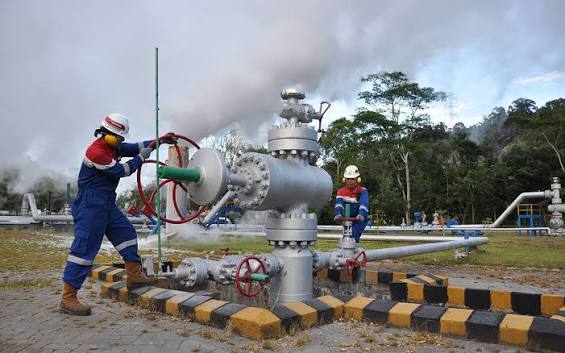
As artificial intelligence, cloud computing, and advanced digital services expand across Southeast Asia, data centers are experiencing unprecedented growth. This digital expansion requires vast amounts of electricity to sustain non-stop server processing, high-capacity cooling systems, and critical network infrastructure. However, global technology enterprises face mounting pressure from investors, customers, and international regulatory bodies to achieve strict net-zero carbon targets. Traditional electricity grids that rely on coal or natural gas no longer meet the stringent Environmental, Social, and Governance standards required by leading enterprise clients. To resolve this structural energy dilemma, PT Pertamina Geothermal Energy Tbk, commercially known as PGEO, is strategically positioning itself to supply dedicated geothermal power for green data centers across the Indonesian archipelago. Indonesia holds approximately forty percent of the world's geothermal potential, placing the country in a unique position to power the digital economy with continuous, clean energy.
The Growing Power Demand of Modern Digital Infrastructure
The accelerated deployment of high-performance computing clusters and generative artificial intelligence models has fundamentally altered the energy requirements of modern data centers. Unlike standard commercial real estate, data centers operate as non-stop power consumers that require megawatt-scale electricity twenty-four hours a day, seven days a week. As cloud service providers expand their infrastructure footprint in Southeast Asia, local utilities face significant challenges in supplying uninterrupted power without increasing greenhouse gas emissions. In many developing energy markets, grid capacity remains tied to fossil fuel baseload generation, creating a direct conflict between rapid digital transformation and corporate climate commitments.
Technology companies actively seek renewable energy solutions that offer continuous reliability rather than intermittent delivery. While solar photovoltaic arrays and wind turbines make valuable contributions to the overall energy mix, their variable nature requires complex backup storage or grid balancing mechanisms. When solar power output declines at night or wind speeds diminish, data center operations must revert to standard grid electricity or backup diesel generators, compromising their sustainability goals. Consequently, the integration of geothermal power for green data centers offers an unyielding baseload answer that variable renewables cannot easily match. By anchoring digital facilities directly to geothermal production fields, operators lower their overall Power Usage Effectiveness ratios while securing uninterrupted carbon-free electricity offsets.
Why Geothermal Energy Outperforms Intermittent Renewables
Geothermal energy stands out among renewable energy sources due to its ability to deliver stable baseload electricity around the clock. Generated from subterranean heat within the earth, geothermal power facilities function continuously regardless of prevailing weather conditions, seasonal fluctuations, or time of day. Geothermal installations routinely achieve capacity factors exceeding ninety percent, a performance level far superior to solar arrays or wind farms. For high-availability digital infrastructure, where brief power disruptions or voltage instability can lead to costly operational downtime, this consistent energy output provides unmatched reliability.
Furthermore, geothermal energy facilities require a significantly smaller land footprint compared to large-scale solar installations or onshore wind developments. Producing equivalent megawatt capacities through solar power requires vast surface areas, which often leads to complex land acquisition challenges and localized environmental disruption. In contrast, geothermal stations extract subterranean steam through deep geothermal wells, producing huge volumes of power within a compact operational boundary. By deploying reliable geothermal power for green data centers, infrastructure providers can establish direct power purchasing arrangements near active geothermal concessions. This approach reduces the need for long transmission lines and expensive battery storage units, ultimately lowering overall capital expenditures for technology companies.
Strategic Initiatives by Pertamina Geothermal Energy
PT Pertamina Geothermal Energy Tbk is taking decisive action to capitalize on the growing convergence between digital growth and clean energy requirements. As a major subsidiary of Indonesia's state energy company, PGEO controls over eight hundred megawatts of self-operated geothermal capacity while overseeing additional joint operation contracts across key islands, including Java, Sumatra, and Sulawesi. The organization is actively refining its commercial strategy to offer direct, customized power delivery models to digital enterprise clients.
To meet the precise operational demands of global cloud platforms, PGEO is exploring dedicated power purchase agreements and direct-use energy zones adjacent to active geothermal fields. By developing specialized green technology hubs near geothermal facilities, PGEO aims to unlock new business models by supplying geothermal power for green data centers via direct power purchase agreements. This framework offers technology companies direct access to clean energy while minimizing network transmission losses. PGEO's ongoing capacity expansion projects at locations such as Kamojang, Ulubelu, Lahendong, and Lumut Balai ensure that the company can scale its generation capacity in step with the rising power demand of regional tech hubs.
Economic and Environmental Benefits for Indonesia
The alignment of geothermal energy production with data center infrastructure brings substantial economic and environmental advantages to Indonesia. Historically, the national economy relied heavily on fossil fuel sources for industrial development, resulting in rising emissions profiles. Transitioning rapidly expanding sectors like information technology to domestic renewable power supports national decarbonization commitments while encouraging industrial modernizations. Capitalizing on its active volcanic geography enables Indonesia to transform geothermal resources into a long-term competitive advantage within the regional digital economy.
From an economic perspective, attracting international cloud platforms and hyperscale data center operators builds local technology ecosystems, enhances technical workforce capabilities, and stimulates supporting infrastructure development. Leading technology corporations explicitly prioritize investment destinations that supply certified green energy to fulfill their corporate accountability targets. Therefore, the deployment of geothermal power for green data centers enhances Indonesia's competitive advantage in attracting foreign direct investment. Furthermore, utilizing domestic geothermal resources protects the digital sector from volatile global fossil fuel price swings, creating predictable operational cost structures for both energy producers and data center operators.
Key Industry Challenges and Future Outlook
Despite the compelling advantages, expanding geothermal energy capacity presents specific operational and financial challenges that require strategic management. Geothermal exploration involves substantial initial capital outlays and carries inherent resource discovery risks during early drilling phases. Facility development, resource validation, and power plant construction demand longer lead times compared to rapid solar deployments. Additionally, aligning the geographical locations of geothermal reservoirs with optimal real estate for data center construction requires coordinated urban planning, high-speed fiber connectivity, and supporting regulatory frameworks.
Overcoming these challenges requires clear policy support, flexible grid transmission regulations, and collaborative public-private partnerships. Governments can encourage investment by streamlining licensing procedures, establishing exploration risk-sharing mechanisms, and offering target tax incentives. Concurrently, technological innovations in binary cycle power generation and enhanced geothermal systems are making lower-temperature subterranean resources commercially viable. As these technology solutions mature, the long-term viability of geothermal power for green data centers will transform the regional digital ecosystem, ensuring that continuous data processing growth remains environmentally sustainable for future generations.
Read More