





 Saturday, 24-10-26








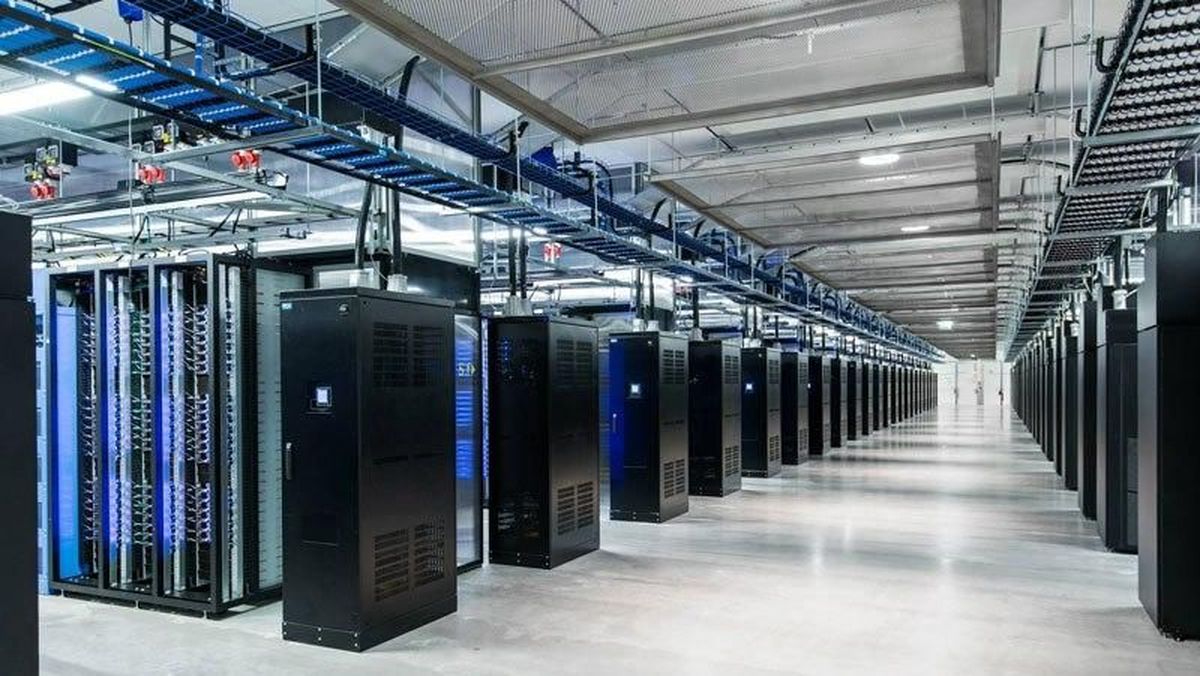
The digital landscape across Southeast Asia is undergoing a massive transformation, with Indonesia standing at the very center of this revolution. In the first half of 2026, the nation recorded an extraordinary milestone as investments in computing infrastructure reached Rp 114 trillion. This historic figure underscores the rapid maturation of the nation's digital economy and reflects a fundamental shift in how global and domestic technology firms view the regional market. At the heart of this surge is the rapid adoption of artificial intelligence, which has created an unprecedented demand for modern processing capabilities and high-density facilities.
As enterprises across finance, e-commerce, healthcare, and public sector operations integrate advanced machine learning models into their daily workflows, traditional IT infrastructure is no longer sufficient. Consequently, hyperscalers, global colocation operators, and domestic telecom giants are racing to expand their footprints. The massive influx of capital witnessed in early 2026 proves that Indonesia data center investment is no longer just a temporary trend, but a foundational pillar of the national economic strategy. Understanding the factors behind this milestone requires a close look at market catalysts, technological shifts, geographical dynamics, and infrastructure challenges facing the industry today.
Record Achievements in the First Half of 2026
The realization of Rp 114 trillion in capital commitments during the first six months of 2026 represents a major leap forward compared to previous annual projections. Industry analysts note that this momentum has been building over several quarters, but the speed of execution in 2026 surprised even optimistic market observers. Global players have accelerated their construction schedules, while local consortiums have secured strategic funding to scale up their facilities.
Several factors explain this remarkable acceleration. First, the Indonesian government has consistently prioritized digital transformation, implementing regulatory frameworks that encourage local data residency and sovereign cloud management. Second, the consumer market in Indonesia, boasting over 200 million internet users, continues to generate massive volumes of data daily. From social media engagement and mobile banking to digital commerce and video streaming, data generation rates are rising exponentially.
However, the sheer volume of Indonesia data center investment recorded in H1 2026 cannot be attributed solely to standard cloud migration. The catalyst that transformed steady growth into an exponential leap is the commercial rollout of generative artificial intelligence and enterprise-level machine learning applications.
Artificial Intelligence as the Primary Catalyst
Artificial intelligence is fundamentally changing how data facilities are designed, built, and operated. Traditional cloud workloads typically require standard power densities of 4 to 8 kilowatts per rack. In contrast, training complex AI models and running high-throughput inference engines demand anywhere from 20 to over 80 kilowatts per rack. This physical shift necessitates entirely new engineering approaches, specialized power distribution, and advanced liquid cooling technologies.
To capture the AI opportunity, operators across West Java, Greater Jakarta, and neighboring industrial corridors are retrofitting existing sites and designing next-generation facilities built specifically for high-performance computing. Multinational tech leaders are deploying dedicated AI clusters within local facilities to offer lower latency to Southeast Asian clients.
The enthusiasm surrounding machine learning has created a virtuous cycle. As AI start-ups and enterprise innovation labs emerge across Jakarta and Bandung, local demand for specialized compute resources increases. This domestic demand, combined with regional routing advantages, ensures that Indonesia data center investment remains elevated as operators seek to build capacity ahead of the demand curve.
Key Regional Hubs and Industrial Clusters
The physical distribution of new facilities in 2026 reveals clear geographic strategies. While Jakarta historically hosted the vast majority of server rooms due to connectivity and proximity to corporate headquarters, the current wave of mega-scale developments is expanding into strategic peripheral hubs.
Greater Jakarta and Cikarang Cikarang and Karawang have firmly established themselves as the primary hyperscale capitals of the nation. Offering expansive industrial land, reliable high-voltage power grid connections, and specialized industrial park support, these locations cater to massive multi-megawatt facilities. The proximity to major fiber optic networks ensures seamless communication with core corporate networks in central Jakarta.
Batam and Strategic Free Trade Zones Batam has emerged as a crucial bridge between Indonesia and Singapore. With Singapore managing strict resource allocations for new facilities, Batam offers an ideal spillover destination. Modern industrial parks in Batam provide international connectivity, proximity to Singapore's tech ecosystem, and direct access to regional subsea cables. This makes the island a prime target for export-oriented digital infrastructure investment.
Emerging Secondary Cities Beyond Java and Batam, secondary hubs in Surabaya, Medan, and Makassar are seeing increased interest for edge nodes. Edge computing brings processing capabilities closer to end users, reducing latency for real-time applications such as autonomous systems, industrial automation, and local financial clearing. This geographic diversification ensures that economic gains spread the benefits of Indonesia data center investment beyond the capital city.
Infrastructure Challenges Regarding Power and Cooling
While the record investment figures paint a bullish picture, the industry faces real operational hurdles that could constrain long-term growth if left unaddressed. Chief among these challenges are power availability and environmental sustainability.
Data facilities are intensive energy consumers, and high-density AI clusters exacerbate this demand. Ensuring a stable, uninterrupted power supply from the state utility provider is critical for operational continuity. To maintain international confidence, the energy grid must not only provide high reliability but also expand capacity to match the rapid pace of construction.
Operating high-density hardware in Indonesia's humid, tropical climate presents unique engineering obstacles. Traditional air cooling methods consume vast amounts of electricity and reach physical limits when handling high-density racks. Consequently, new facilities are increasingly implementing direct-to-chip liquid cooling and immersion cooling systems. While these technologies significantly improve energy efficiency ratios, they require higher upfront capital expenditure and specialized maintenance expertise.
Global hyperscalers and corporate clients operate under strict carbon neutrality commitments. As a result, facilities running entirely on fossil fuels face growing commercial disadvantages. Investors are actively seeking partnerships with renewable energy developers to secure solar, geothermal, and hydroelectric power purchase agreements. Integrating clean energy sources into the national grid remains a critical enabler for sustained investment momentum.
Regulatory Landscape and Sovereign Data Policies
Government policy plays a decisive role in shaping the operating environment for tech infrastructure. Indonesia's regulatory framework has progressively strengthened requirements for data protection, localization, and critical infrastructure management.
Regulations governing personal data protection have compelled organizations handling sensitive consumer data to store and process information within national borders. This legal imperative provides a reliable baseline demand for local colocation providers. Furthermore, government initiatives aimed at digitizing public services, healthcare records, and tax administration have led to increased public-sector cloud consumption.
Strategic tax incentives, streamlined permitting processes in economic zones, and proactive support from investment boards have further enhanced the nation's appeal. By creating a stable regulatory climate, policy makers have successfully reduced perceived investment risks, paving the way for the record capital inflows seen in 2026.
Strategic Growth Drivers for the Near Future
Looking toward the second half of 2026 and into 2027, the growth trajectory for digital infrastructure shows no signs of slowing down. As generative AI applications transition from pilot projects to full commercial deployment across enterprise sectors, the underlying workload volumes will multiply.
Furthermore, the expanding rollout of 5G communications across major urban centers will generate unprecedented volumes of telecommunication data, creating even greater demand for edge nodes and regional processing hubs. Industry experts project that total operational capacity in the country will double over the next three years as projects currently under construction come online.
To sustain this growth, industry leaders must focus on talent development. Building a skilled workforce capable of designing, operating, and securing complex, AI-ready facilities is essential. Academic institutions and private enterprises are beginning to collaborate on specialized engineering programs to bridge the current talent gap.
Ultimately, the continued expansion of Indonesia data center investment will solidify the nation's role as a major digital backbone for Southeast Asia. By combining strategic geographical advantages, robust policy support, and an insatiable demand for cutting-edge computing power, Indonesia is well positioned to remain at the forefront of the global digital economy.
Read More