





 Monday, 26-10-26








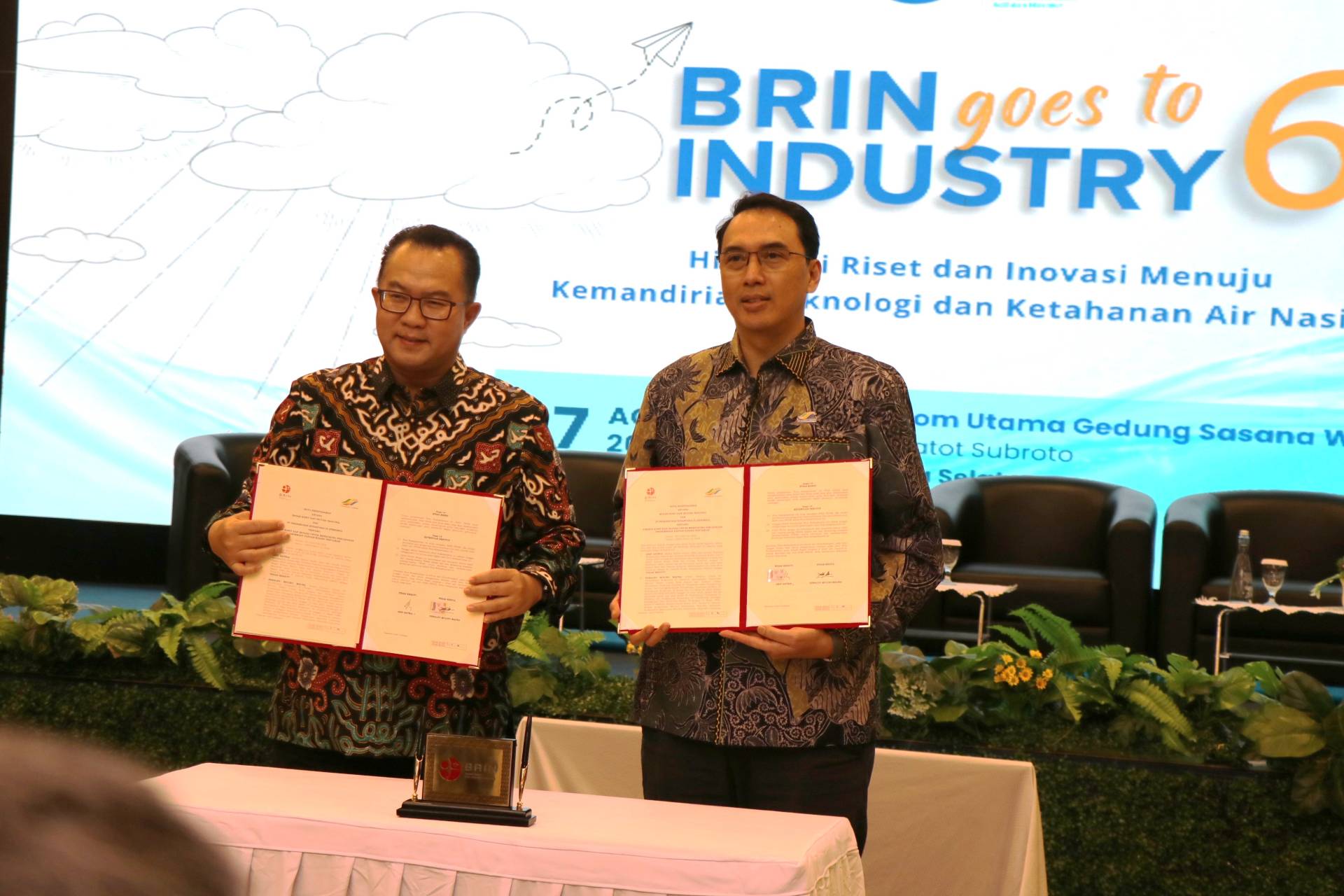
In an ambitious effort to foster national technological sovereignty and accelerate industrial advancement, Indonesia has introduced significant fiscal policy enhancements. The National Research and Innovation Agency, known locally as Badan Riset dan Inovasi Nasional or BRIN, is actively promoting gross tax deductions of up to 300 percent for eligible entities engaged in research activities. This initiative targets both state-owned enterprises (BUMN) and private sector companies operating within the country. Through the strategic implementation of the Indonesia R&D tax incentive, the government aims to bridge the historical gap between academic research and commercial market demand, encouraging private capital to flow into critical research and development endeavors.
Understanding the mechanics of fiscal relief for corporate innovation is essential for business leaders aiming to optimize tax liabilities while building sustainable competitive advantages. This comprehensive overview examines how companies can capitalize on the enhanced deduction framework, the operational criteria established by government bodies, and the broader economic implications for Indonesia as it positions itself as an emerging hub for global technological advancement.
Overview of the BRIN Super Tax Deduction Framework
The fiscal mechanism supporting research initiatives in Indonesia is rooted in Government Regulation No. 45 of 2019, which established the super tax deduction scheme. Under this framework, companies conducting qualifying research and development activities within the national territory can deduct up to 300 percent of their total research expenses from their gross corporate taxable income. The primary goal of this framework is to reduce the overall financial burden of corporate experimentation and technological development.
Within this framework, the Indonesia R&D tax incentive serves as a core mechanism to align private sector commercial capabilities with national research priorities. The total deduction rate is structured in tiers. Base qualifying expenditures receive standard tax deduction allowances of 100 percent, while additional bonus deductions of up to 200 percent are awarded based on specific performance indicators. These indicators include registering patents locally, commercializing inventions, collaborating with domestic scientific institutions, and creating tangible domestic intellectual property. BRIN plays a central role in evaluating proposals, reviewing technical feasibility, and verifying that the research activities align with national economic priorities.
Strategic Objectives for State-Owned Enterprises and Private Businesses
For many years, research funding in Indonesia heavily depended on the state budget, leaving private industry spending behind regional peers. The expanded super tax deduction changes this paradigm by incentivizing private corporations and state-owned entities to take ownership of technological creation. State-owned enterprises (BUMN), which control vital sectors such as energy, telecommunications, agriculture, and infrastructure, are uniquely positioned to leverage this facility to modernize national supply chains and lower operational costs over time.
Private corporations, ranging from manufacturing conglomerates to digital technology companies, find that utilizing the Indonesia R&D tax incentive helps offset early-stage commercial risk. Developing new products, refining chemical formulas, or engineering advanced materials requires substantial capital upfront with delayed revenue returns. By providing aggressive tax relief upfront, the government lowers the hurdle rate for corporate capital expenditure in innovation. This financial cushion encourages corporate leaders to invest in long-term discovery rather than prioritizing short-term operational savings.
Eligibility Criteria and Qualifying Research Categories
To prevent misuse and ensure maximum economic impact, the regulatory authorities have outlined strict eligibility criteria for organizations seeking fiscal relief. Corporate entities must be legally registered taxpayers in Indonesia and actively operating within the national jurisdiction. Furthermore, the research must take place within the country and utilize domestic infrastructure, local researchers, or partnerships with domestic academic and scientific organizations.
Qualifying research categories cover a broad spectrum of industries critical for economic advancement:
- Green Energy and Sustainability: Development of renewable energy systems, battery storage components, waste-to-energy conversion systems, and carbon-reduction processing techniques.
- Healthcare and Pharmaceuticals: Synthesis of active pharmaceutical ingredients, medical device engineering, biotechnology research, and domestic clinical trials.
- Food Security and Agriculture: Crop yield optimization, post-harvest processing technology, drought-resistant seed technology, and sustainable aquaculture solutions.
- Digital Transformation and Advanced Electronics: Semiconductor design, artificial intelligence applications tailored for local industry, cybersecurity architecture, and advanced telecommunication components.
- Manufacturing and Material Science: Chemical synthesis, advanced metallurgy, sustainable packaging alternatives, and domestic automotive engineering.
Documentation is a vital component of eligibility. Taxpayers must maintain transparent, detailed accounting records separating general operational costs from direct research expenditures. Acceptable costs include researcher salaries, specialized equipment leases, laboratory supplies, patent application fees, and fees paid to partner research institutions.
Economic Benefits and Long Term Value Creation
The macro-level implications of this fiscal incentive reach far beyond simple corporate tax reduction. By encouraging domestic technological creation, Indonesia aims to decrease its reliance on imported technology, machinery, and specialized chemical compounds. When companies build proprietary technology domestically, they secure long-term operational resilience, protect themselves against foreign supply chain disruptions, and retain high-value economic activity within the country.
Additionally, the long term value of the Indonesia R&D tax incentive extends beyond financial ledgers to human capital development. To execute advanced research, companies must hire qualified scientists, data engineers, laboratory technicians, and specialized project managers. This hiring demand creates high-paying technical jobs, encourages university students to pursue STEM disciplines, and stops domestic talent from moving abroad. Over time, a robust ecosystem of private labs, university incubators, and corporate research hubs creates a compounding cycle of industrial capability.
Step-by-Step Guide to Claiming the Fiscal Relief
Navigating the application process for the super deduction requires close coordination between corporate finance teams, legal advisers, and technical research personnel. The application journey generally follows a structured, multi-stage workflow:
- Project Proposal Formulation: Companies must draft a detailed research project proposal outlining the scientific scope, expected timelines, commercial goals, budget allocations, and key performance indicators.
- BRIN Technical Evaluation: The proposal is submitted to BRIN through their official digital portal. Technical experts assess whether the project meets national technical standards, addresses genuine innovation, and qualifies for the extra tax deduction tiers.
- Registration via Online Single Submission: Upon receiving technical approval from BRIN, the company registers the research project through the national Online Single Submission (OSS) system to notify the Directorate General of Taxes.
- Project Execution and Expense Tracking: The company conducts the research while maintaining strict, segregated financial records for every line-item expense directly associated with the approved project.
- Annual Tax Reporting and Verification: During the annual corporate income tax filing, the business claims the corresponding super deduction percentage, submitting technical progress reports and audited financial statements to validate the claim.
Organizations preparing to apply for the Indonesia R&D tax incentive requires disciplined governance from start to finish. Incomplete record-keeping or deviation from the approved proposal scope can lead to delays during tax audits or the partial rejection of claimed tax deductions.
Practical Challenges and Solutions for Implementation
Despite the attractive fiscal advantages, some corporations hesitate to participate due to administrative complexity and fears of tax audits. Calculating tax adjustments requires seamless collaboration between financial controllers and scientific researchers, two groups that often use very different professional languages. If research costs are mistakenly categorized as general administrative spending, tax authorities may reject the claim during routine examinations.
To overcome these challenges, companies should establish dedicated cross-functional tax and research committees. Financial managers should receive training on technical research classifications, while research managers must learn to maintain audit-ready documentation for all laboratory purchases, staff hours, and equipment use. Engaging third-party tax consultants and maintaining active dialogue with BRIN representatives during the early planning stages can also minimize compliance risks.
Strategic Outlook for Business Innovation
As global trade dynamics shift and competition intensifies across Southeast Asia, corporate reliance on low-cost labor or raw commodity exports is no longer a viable long-term strategy. Sustainable economic leadership requires continuous value creation through technology, custom IP development, and operational efficiency. The fiscal incentives provided by the government serve as a powerful catalyst for businesses ready to transition toward high-value, tech-driven business models.
Looking ahead, taking full advantage of the Indonesia R&D tax incentive will remain a key strategy for state-owned enterprises and forward-thinking private businesses alike. By converting tax liabilities into productive research budgets, organizations can develop proprietary products, improve operational margins, and play a direct role in elevating Indonesia into a knowledge-based economy.
Read More