





 Tuesday, 20-10-26








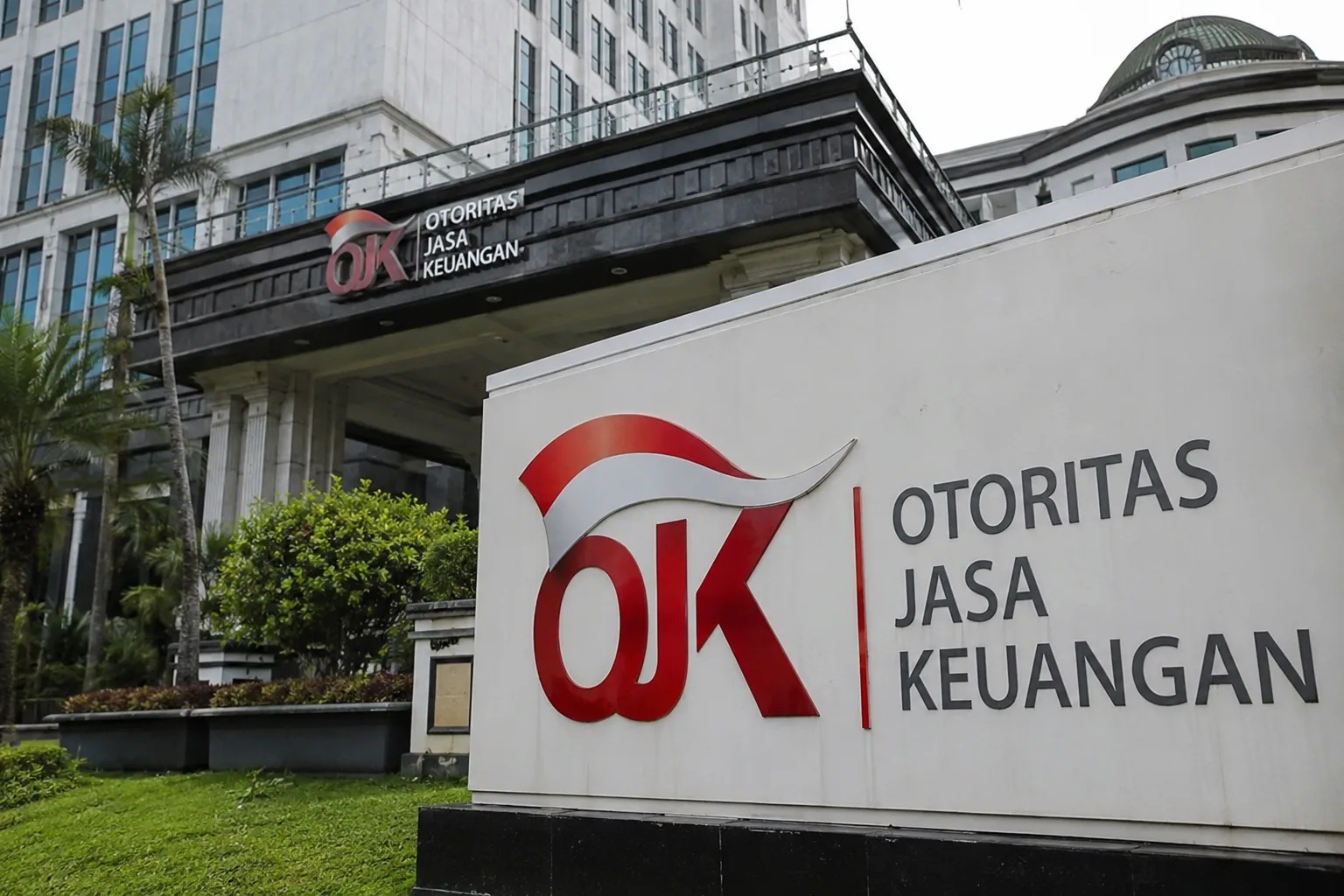
The Indonesian financial landscape has experienced substantial regulatory realignment as the Financial Services Authority (Otoritas Jasa Keuangan or OJK) continues its rigorous oversight of the banking sector. By August 2026, the regulatory body had officially revoked the operating licenses of 12 banking institutions across the country, primarily targeting rural banks (Bank Perekonomian Rakyat or BPR) and Islamic rural banks (BPRS). This decisive action underscores a growing commitment to eliminate systemic vulnerabilities, enforce prudent risk management, and safeguard the interests of depositors. The recurring updates surrounding Indonesia bank closures 2026 highlight a transformative era for regional lenders, where institutional resilience and compliance have become non-negotiable standards for survival in a rapidly modernizing market.
While news of financial institution shutdowns can trigger anxiety among public depositors, regulatory authorities emphasize that these interventions are essential maintenance for long-term financial health. The Indonesian banking market, historically populated by thousands of small community-based entities, is undergoing a necessary consolidation phase. Understanding the mechanisms behind these liquidations, the protective frameworks in place for consumers, and the broader economic implications provides crucial context for navigating the changing domestic financial landscape.
Understanding the Primary Drivers Behind Institutional Revocations
The administrative decision to shut down a financial institution is never made lightly or overnight. OJK executes license revocations only after an extensive period of supervisory monitoring, intervention, and formal warning protocols. In the case of rural banks affected during 2026, several recurring vulnerabilities contributed to their eventual failure. Internal governance breakdowns, operational missteps, and elevated non-performing loan ratios frequently top the list of underlying structural deficiencies.
In many instances, fraudulent practices committed by internal management or controlling shareholders severely compromised capital reserves. When funds are improperly allocated or credit assessments are bypassed, institutions quickly find themselves unable to absorb loan defaults. Additionally, economic shifts in localized regions have hindered the ability of small business borrowers to meet debt obligations. When combined with inadequate capital buffers, these localized credit crises rapidly escalate into full-blown liquidity shortages that render the institution insolvent.
Supervisory efforts by OJK focus heavily on identifying these toxic conditions early. When a bank falls under intensive supervision, management is granted a specific timeframe to inject fresh capital, restructure non-performing portfolios, or secure a strategic merger partner. If the owners fail to restore financial health within the stipulated deadline, OJK steps in to revoke the operating permit to prevent further financial contagion across the broader banking ecosystem.
The Mandate of the Financial Services Authority in Structural Reform
Indonesia's regulatory strategy is guided by a clear vision to build a stronger, more consolidated banking industry capable of supporting economic expansion. The Financial Services Authority has implemented strict capital requirements and governance frameworks designed to weed out weak operators. The ongoing surge in regulatory interventions reflected in Indonesia bank closures 2026 represents the enforcement arm of these comprehensive structural reforms.
Through relevant regulatory instruments, OJK has consistently raised the bar for operational standards among rural banks. Regulators require institutions to maintain adequate capital adequacy ratios, implement digital security protocols, and enhance risk management frameworks. Rural banks that lack the financial depth or technology infrastructure to keep pace with these modern mandates are actively encouraged to merge with stronger entities.
Where voluntary mergers or capital injections are ignored, liquidation becomes the ultimate enforcement tool. By removing structurally flawed banks from the market, regulators effectively insulate the overall economy from hidden liabilities. This clean-up phase ensures that remaining institutions possess the capital reserves and governance capability required to serve micro, small, and medium enterprises reliably without posing systemic threats to financial stability.
Safety Nets for Depositors and the Role of Deposit Insurance
A fundamental priority during any banking shutdown is preserving public confidence in the national monetary framework. In Indonesia, this safety net is provided by the Deposit Insurance Corporation (Lembaga Penjamin Simpanan or LPS). Whenever an institution experiences license revocation, LPS immediately moves in to execute the resolution process, reconcile account records, and verify eligible deposits for rapid payout.
Under Indonesian statutory rules, LPS guarantees customer deposits up to a maximum threshold of IDR 2 billion per depositor per bank. To qualify for coverage under the deposit insurance program, accounts must satisfy three explicit criteria, commonly known as the 3T conditions. First, the deposit must be recorded in the bank's books. Second, the interest rate received by the depositor must not exceed the maximum guarantee rate set periodically by LPS. Third, the depositor must not have engaged in illegal actions or fraudulent behaviors that led to the bank's financial demise.
The existence of this robust deposit insurance mechanism ensures that public funds remain secure despite the occurrence of Indonesia bank closures 2026 across various provinces. Payout processes are streamlined so that eligible depositors receive their funds within a reasonable operational timeframe, minimizing disruption to personal finances and local business operations.
Operational Realities and Competitive Pressures in the Rural Sector
Rural banks play a vital historical role in Indonesia, providing localized credit to rural communities, traditional market vendors, and small enterprises overlooked by major commercial banks. However, the operating environment for these institutions has become increasingly challenging due to digital transformation and shifting consumer preferences.
The rapid expansion of fintech platforms, digital payment systems, and online lending services has disrupted the traditional rural banking model. Modern consumers expect instant mobile access, seamless transfers, and quick credit approvals. Small rural banks often lack the capital needed to invest in robust information technology systems, leaving them at a severe competitive disadvantage.
Furthermore, larger commercial banks have progressively expanded their micro-lending presence into regional markets through dedicated digital apps and specialized field networks. This intense competition compresses interest margins for rural lenders while attracting their most creditworthy borrowers. As a result, weaker rural banks are frequently left with higher-risk loan portfolios, increasing their vulnerability to default cycles and accelerating operational failure.
Practical Guidance for Consumers and Small Business Borrowers
In light of public discussions surrounding Indonesia bank closures 2026, depositors and business owners must exercise heightened diligence when selecting financial partners. While the deposit insurance framework provides essential safety, proactive financial management can prevent unnecessary stress and administrative delays during institutional liquidations.
- Verify Guarantee Limits: Consumers should regularly monitor the interest rates offered on their savings accounts and fixed deposits. Yields that exceed the official LPS maximum benchmark rate invalidate insurance coverage, leaving deposits exposed to loss in the event of liquidation.
- Diversify Financial Holdings: Business owners and individual savers should avoid concentration risk by spreading liquid capital across multiple healthy financial institutions rather than holding all funds in a single regional lender.
- Maintain Clear Documentation: Keep accurate and up-to-date records of all passbooks, deposit certificates, transaction receipts, and loan settlement documents to facilitate fast verification during LPS payout processes.
- Evaluate Institutional Health: Prioritize institutions that demonstrate transparent corporate governance, modern digital services, and solid reputations within the local business community.
Adopting these straightforward precautionary measures enables consumers to leverage high-yield regional deposit products safely while remaining fully protected against unexpected institutional failures.
Long-Term Outlook for the Indonesian Banking Ecosystem
The structural adjustments taking place throughout 2026 mark an essential evolutionary step for the Indonesian economy. While short-term headlines focusing on Indonesia bank closures 2026 may sound alarming, the long-term result is an undeniably healthier, more resilient financial system. The aggressive cleanup of distressed entities eliminates toxic debt, improves market discipline, and promotes sustainable credit expansion across all regional sectors.
Moving forward, the Indonesian banking ecosystem will likely feature fewer, but vastly stronger, institutions. Accelerated consolidation through mergers and acquisitions will produce well-capitalized rural banks equipped with modern digital infrastructure and professional management teams. These transformed entities will be far better positioned to support national economic development, empower small enterprises, and withstand future financial volatility.
Through steadfast regulatory oversight, comprehensive deposit guarantees, and increasing financial literacy among the public, Indonesia continues to build a robust banking environment that balances growth with unyielding institutional safety.
Read More