





 Thursday, 27-08-26








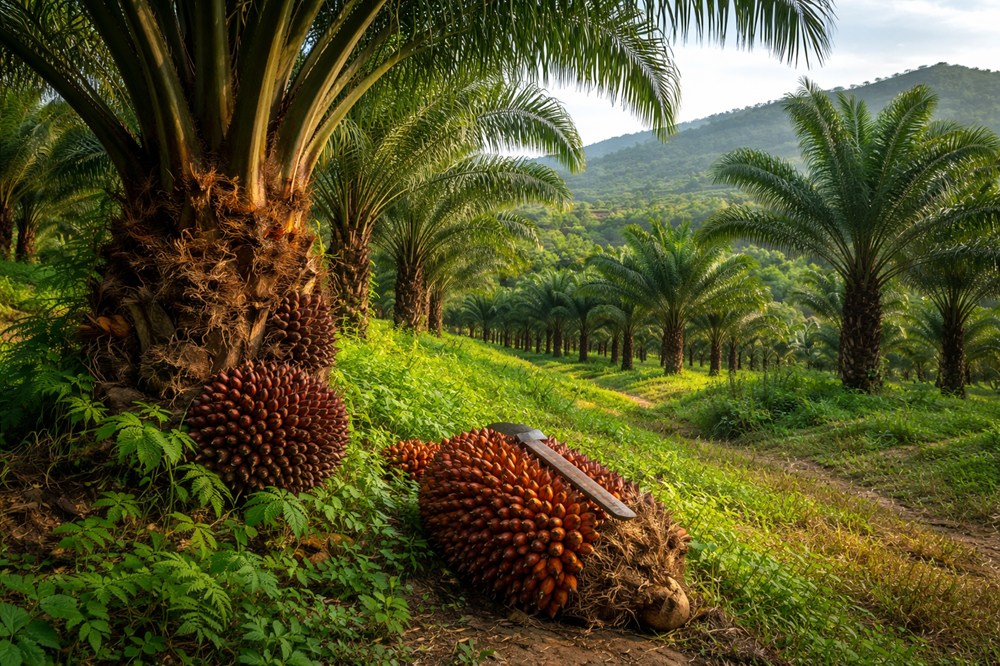
The agricultural sector across Southeast Asia faces growing environmental challenges as extreme weather patterns become more frequent and severe. In mid-2026, meteorology and climate agencies confirmed the activation of a strong El Nino phenomenon, bringing prolonged dry spells and elevated drought conditions to major palm oil producing regions across Sumatra and Kalimantan. At the same time, global crude palm oil prices experienced a sharp upward trajectory on international commodity exchanges, driving renewed investor interest toward Indonesian agribusiness issuers. Among these palm oil producers, PT Eagle High Plantations Tbk, trading under the ticker symbol BWPT, has taken comprehensive steps to safeguard its plantation assets and operational productivity. The implementation of the Eagle High Plantations El Nino Strategy has become a central focus for the company as it seeks to mitigate fire hazards, protect fresh fruit bunch yields, and maintain its commitment to sustainable plantation management during harsh climatic cycles.
Escalating Climate Risks in the Indonesian Palm Oil Sector
Climatic disruptions such as El Nino present dual challenges for palm oil companies operating in tropical regions. Extended dry spells reduce soil moisture levels, which directly impacts the flowering and fruit development processes of oil palm trees. Over time, prolonged water stress leads to decreased fresh fruit bunch extraction rates, lower oil content, and reduced overall mill output. In addition to agricultural yield declines, dry conditions significantly elevate the risk of forest and land fires, locally known as karhutla. These fires pose severe operational, financial, and regulatory threats to plantation operators, potentially causing irreversible damage to estate land, surrounding communities, and regional air quality.
In response to these environmental threats, the Indonesian government through the Ministry of Forestry and local disaster management agencies has intensified monitoring and enforcement efforts across priority provinces. The market response to these weather patterns has been swift. As expectations of global supply tightness pushed palm oil futures near multi-month highs on the Bursa Malaysia Derivatives exchange, palm oil equities recorded notable price gains on the Indonesia Stock Exchange. Investors recognized that companies possessing robust operational infrastructure and disaster mitigation protocols are best positioned to navigate market volatility while sustaining production output.
Comprehensive Water Management and Infrastructure Preservation
Water retention and soil moisture preservation form the foundational baseline of effective drought management in tropical agriculture. Across its operational footprint covering 87,000 hectares of planted area in Sumatra, Kalimantan, and Papua, PT Eagle High Plantations Tbk has implemented systematic hydrological controls to protect its oil palm crops from moisture deficit. Through the deployment of sound water management practices, the company maintains water levels in main and secondary drainage canals using water control gates, overflow weirs, and specialized bund structures.
In peatland estates, where drought risks are particularly acute, water table management is crucial to prevent peat degradation and accidental fires. Lowering the water table exposes organic peat soils to oxygen, making them highly flammable and accelerating carbon release. By maintaining strict water table thresholds, the Eagle High Plantations El Nino Strategy ensures that peat soils remain adequately hydrated throughout prolonged dry seasons. Additionally, the company has constructed numerous water storage reservoirs and retention basins across its operational estates. These water reserves serve a dual purpose: providing emergency supply for irrigation during periods of low rainfall and acting as reliable water sources for firefighting equipment in the event of localized spot fires.
Zero-Burning Commitments and Advanced Fire Mitigation Protocols
Preventing forest and land fires requires a proactive, multi-layered approach that combines strict corporate governance with advanced real-time technology. PT Eagle High Plantations Tbk maintains an uncompromising zero-burning policy across all existing estates and development areas, strictly adhering to No Deforestation, No Peat, and No Exploitation standards. Open burning for land clearing or agricultural maintenance is strictly prohibited under any circumstances.
To enforce this policy effectively, the company has built an integrated fire prevention and monitoring network. Utilizing real-time satellite telemetry from systems like SiPongi, plantation management tracks thermal anomalies and hotspot data across concession boundaries continuously. On the ground, dedicated fire prevention squads, known as Masyarakat Peduli Api, work in close coordination with company personnel, local emergency services, and regional forestry authorities. Regular joint patrols are conducted along estate perimeters to inspect high-risk areas, maintain clear firebreaks, and educate surrounding communities on fire safety practices. The application of the Eagle High Plantations El Nino Strategy demonstrates how technological monitoring combined with community engagement creates an effective defense mechanism against fire risks, protecting both corporate concession lands and adjacent community forests.
ESG Integration and Technological Innovation for Long-Term Resilience
Environmental sustainability and corporate governance are increasingly recognized as primary drivers of long-term value creation in the agribusiness sector. PT Eagle High Plantations Tbk has systematically integrated Environmental, Social, and Governance principles into its operational framework, earning recognition in key sustainability benchmark indices such as the ESG KEHATI Index and achieving high ratings in the international SPOTT assessment.
Beyond immediate fire prevention and water conservation measures, the company actively invests in green technology and biological control mechanisms to build natural ecosystem resilience. During dry weather conditions, pest populations can fluctuate dramatically. Rather than relying heavily on chemical pesticides, the plantation manager utilizes natural biological controls, such as barn owls to manage rodent populations and beneficial insects to control leaf-eating caterpillars. Furthermore, the company collaborates with scientific institutions and research organizations to explore low-carbon agricultural innovations. Initiatives such as converting organic oil palm waste into bio-pyrolysis products and green carbon black highlight a broader transition toward circular economy models. By incorporating these technological advancements into the Eagle High Plantations El Nino Strategy, the company enhances operational efficiency while minimizing its ecological footprint.
Financial Performance and Investor Confidence Amid Market Volatility
Navigating environmental risks effectively is essential for preserving corporate financial health and maintaining market valuation. When commodity markets experience supply shocks driven by weather anomalies, agribusiness firms that demonstrate operational discipline often outperform their peers. Over recent reporting periods, PT Eagle High Plantations Tbk has shown steady financial improvement, driven by operational cost optimization, improved fresh fruit bunch yields, and favorable crude palm oil selling prices.
The company has also strengthened its capital structure through strategic financial restructuring and quasi-reorganization measures aimed at eliminating historical deficits and improving balance sheet clarity. This improved financial stability provides the company with the necessary capital reserves to fund ongoing ESG programs, infrastructure upgrades, and fire response preparedness. Market analysts note that investor confidence in palm oil stocks during periods of environmental stress relies heavily on how well management mitigates operational disruption. The visible success of the Eagle High Plantations El Nino Strategy has reassured institutional and retail investors, contributing to positive stock price performance and establishing the firm as a resilient player in the palm oil industry.
Sustainable Agribusiness Readiness in a Changing Climate
The challenges presented by recurring El Nino weather cycles highlight the imperative for palm oil producers to embrace proactive, sustainable plantation management. As climate volatility continues to impact global agricultural supply chains, reactive measures are no longer sufficient to guarantee business continuity. Companies that invest in water conservation infrastructure, strict zero-burning enforcement, real-time fire monitoring, and community partnership models will lead the industry toward greater stability and sustainability.
PT Eagle High Plantations Tbk demonstrates that environmental stewardship and commercial growth can proceed hand in hand. By embedding sustainability and disaster readiness into its long-term operational framework, the company protects its workforce, surrounding ecosystems, and shareholder value. The ongoing execution of the Eagle High Plantations El Nino Strategy serves as a vital model for how tropical agribusinesses can turn climate challenges into opportunities for operational resilience and sustainable leadership.
Read More