


 Friday, 06-11-26


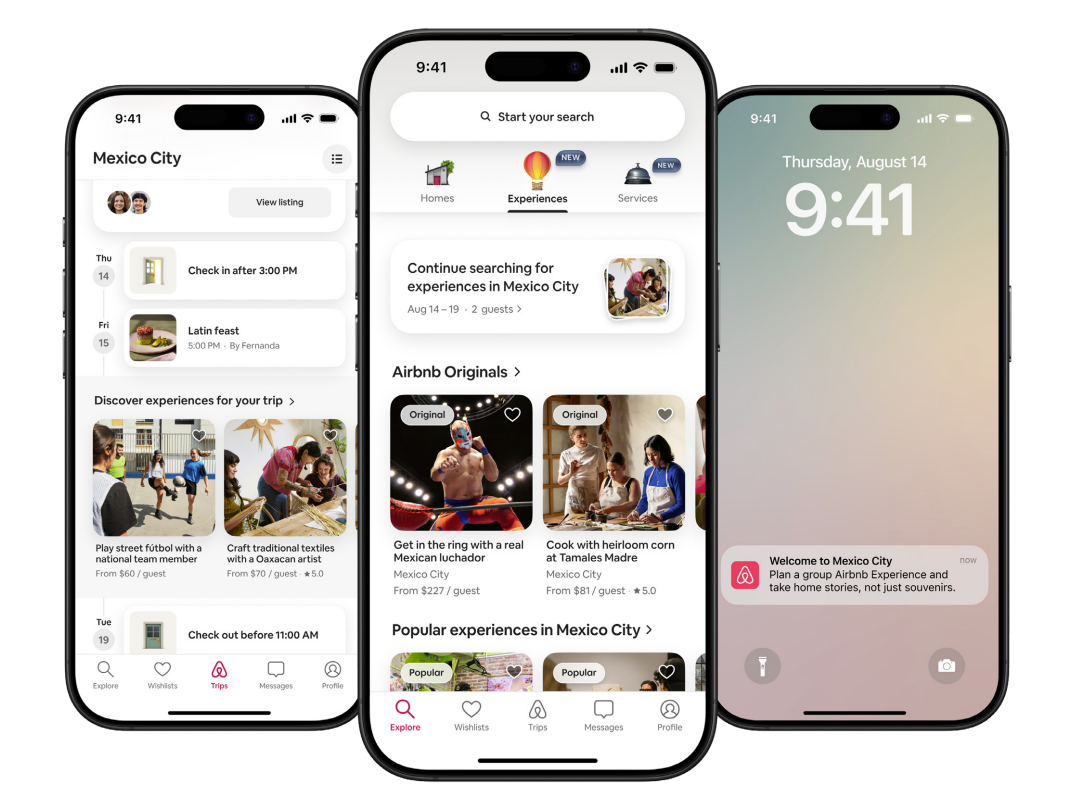
The travel industry is standing on the brink of a massive technological shift, and one of the world's largest accommodation platforms is preparing to lead the charge. In a recent announcement that caught the attention of both tech enthusiasts and avid travelers, the company revealed its plans to revolutionize how we organize our trips. At the center of this transformation is the highly anticipated Airbnb AI travel agent, a sophisticated tool designed to guide users from the initial spark of inspiration all the way to the end of their journey. Scheduled for a public release in the first half of 2027, this digital assistant aims to eliminate the friction typically associated with coordinating complex vacations. By moving away from conventional text based interfaces and embracing a dynamic, visual approach, the platform hopes to make the entire process more engaging and intuitive. This comprehensive overview explores the core features of the upcoming technology, the strategic reasoning behind its development, and what it means for the future of global tourism.
The Vision Driving the Technological Leap
The concept of a digital assistant is not entirely new, but the execution planned for the Airbnb AI travel agent represents a significant departure from existing models. According to the company leadership, including Chief Executive Officer Brian Chesky, standard generative text models are simply not equipped to handle the nuanced and highly aspirational nature of organizing a vacation. When people decide to explore a new destination, they do not merely want a robotic list of instructions or a plain text summary of available accommodations. They want to be inspired. They enjoy looking at high quality photographs, exploring neighborhood maps, and comparing different aesthetic styles before making a commitment.
The leadership team recognized that the research phase is often just as exciting as the trip itself. Therefore, the goal was to build a system that enhances this exploratory phase rather than bypassing it. The upcoming assistant will focus on assembling personalized, interactive pages in real time based on user queries. Instead of spitting out a paragraph of text, the system will instantly generate a visually rich interface tailored to the specific needs of the traveler. Whether a user is looking for a beachfront villa in Bali or a cozy cabin in the Swiss Alps, the assistant will pull together all the necessary components to create a bespoke browsing experience. This level of customization is expected to drastically reduce the time users spend jumping between multiple tabs and external websites.
A Departure from Conventional Chatbots
One of the most frequent complaints about current artificial intelligence tools is their reliance on a simple chat format. While this conversational design works well for answering straightforward factual questions or drafting emails, it falls short when dealing with multidimensional tasks like planning an international holiday. The Airbnb AI travel agent is being built specifically to address these shortcomings by introducing a generative user interface. This means the system does not just generate text; it generates the actual layout and components of the webpage you are viewing.
When a user interacts with the system, the underlying technology will instantly draw from hundreds of unique travel specific components. These components include interactive maps, high resolution photo galleries, side by side property comparisons, dynamic availability calendars, and comprehensive daily itineraries. If a group of friends is trying to coordinate a week long getaway, the assistant will create a shared space where everyone can view the options, compare amenities, and align their schedules seamlessly. This method allows the technology to present the right interface at precisely the right moment in the user journey. By focusing on visual elements rather than endless lines of text, the platform ensures that the planning process remains visually stimulating and highly practical. The shift from a text based bot to a fully dynamic interface marks a major evolution in how consumers will interact with digital platforms.
Enhancing Customer Support and Issue Resolution
Beyond the initial booking phase, the Airbnb AI travel agent is designed to serve as a constant companion throughout the duration of a trip. Travel is inherently unpredictable, and issues can arise at any moment. Flights get delayed, payment methods fail, and occasional disagreements occur between guests and hosts. Historically, resolving these problems required long wait times on phone calls or repeated emails with customer service representatives. The new digital assistant aims to streamline this entirely.
The tool will be fully equipped to handle a wide range of logistical and administrative tasks. If a user needs to modify a reservation due to a sudden change in plans, the assistant will process the request instantly. It will also manage payment issues, process eligible refunds, and assist with immediate rebooking if a property becomes unavailable unexpectedly. Furthermore, the system will offer robust safety support, providing travelers with localized emergency information and direct lines of communication to resolution centers. By automating these critical but time consuming tasks, the platform can ensure that travelers spend less time stressing over logistics and more time enjoying their vacations. This continuous support loop is a major factor in why industry experts are closely monitoring the rollout, as it promises to elevate customer satisfaction and brand loyalty to unprecedented levels.
Financial Momentum and Strategic Investments
The announcement of the Airbnb AI travel agent arrives at a time of remarkable financial strength for the company. In the third quarter of 2026, the platform reported its fastest growth in three years, signaling a strong resurgence in global travel demand. Revenue surged by nineteen percent to reach nearly five billion dollars. This impressive growth was primarily driven by a massive twenty one percent jump in total booking value, reflecting both an increase in the number of nights booked and higher average daily rates across various global markets.
Buoyed by this strong financial performance, the company board recently authorized a massive twelve billion dollar stock buyback program. This aggressive financial maneuver underscores the confidence the leadership has in its long term strategy and its ability to maintain a dominant position in the competitive travel market. The substantial revenue growth provides the necessary capital to invest heavily in advanced technologies. Developing a proprietary, travel specific generative system requires immense computational power, top tier engineering talent, and rigorous testing. The current financial stability allows the company to pursue these ambitious technological goals without compromising its core business operations. As the platform enters a renewed growth mode, the integration of advanced digital tools will play a pivotal role in sustaining this upward trajectory.
The Future Landscape of Global Tourism
As we look toward the first half of 2027, the introduction of the Airbnb AI travel agent is poised to set a new standard for the entire hospitality industry. Competitors will likely be forced to accelerate their own technological initiatives to keep pace with the elevated user expectations. Travelers will soon come to expect a highly personalized, visually immersive, and instantly responsive planning experience as the baseline, rather than a premium feature.
The broader implications for global tourism are profound. By lowering the barrier to entry for planning complex trips, more people might feel encouraged to explore unfamiliar destinations. A tool that can effortlessly translate languages, convert currencies, map out local transit routes, and highlight hidden neighborhood gems will empower travelers to step outside their comfort zones. Furthermore, the ability to coordinate seamlessly with fellow travelers could lead to an increase in group bookings and extended stays.
Ultimately, the success of this new assistant will depend on its execution. The platform must ensure that the technology remains intuitive and does not overwhelm the user with too much information at once. It must also navigate the delicate balance of offering algorithmic suggestions while preserving the element of human discovery that makes traveling so rewarding. If the company can deliver on its promises, the way we explore the world will become significantly more streamlined, allowing us to focus entirely on the joy of the journey itself.
The upcoming launch marks a critical milestone in the intersection of artificial intelligence and the hospitality sector. By focusing on a generative visual interface and providing comprehensive support, the platform is addressing the specific pain points of vacation planning. The Airbnb AI travel agent represents more than just a software update; it is a fundamental reimagining of the user experience. Backed by robust financial performance and a clear strategic vision, the company is well positioned to redefine how millions of people around the globe discover, book, and experience their next great adventure. As 2027 approaches, the travel industry will be watching closely to see how this ambitious digital companion performs in the real world, potentially changing the fabric of modern travel forever.
Read More