


 Thursday, 05-11-26


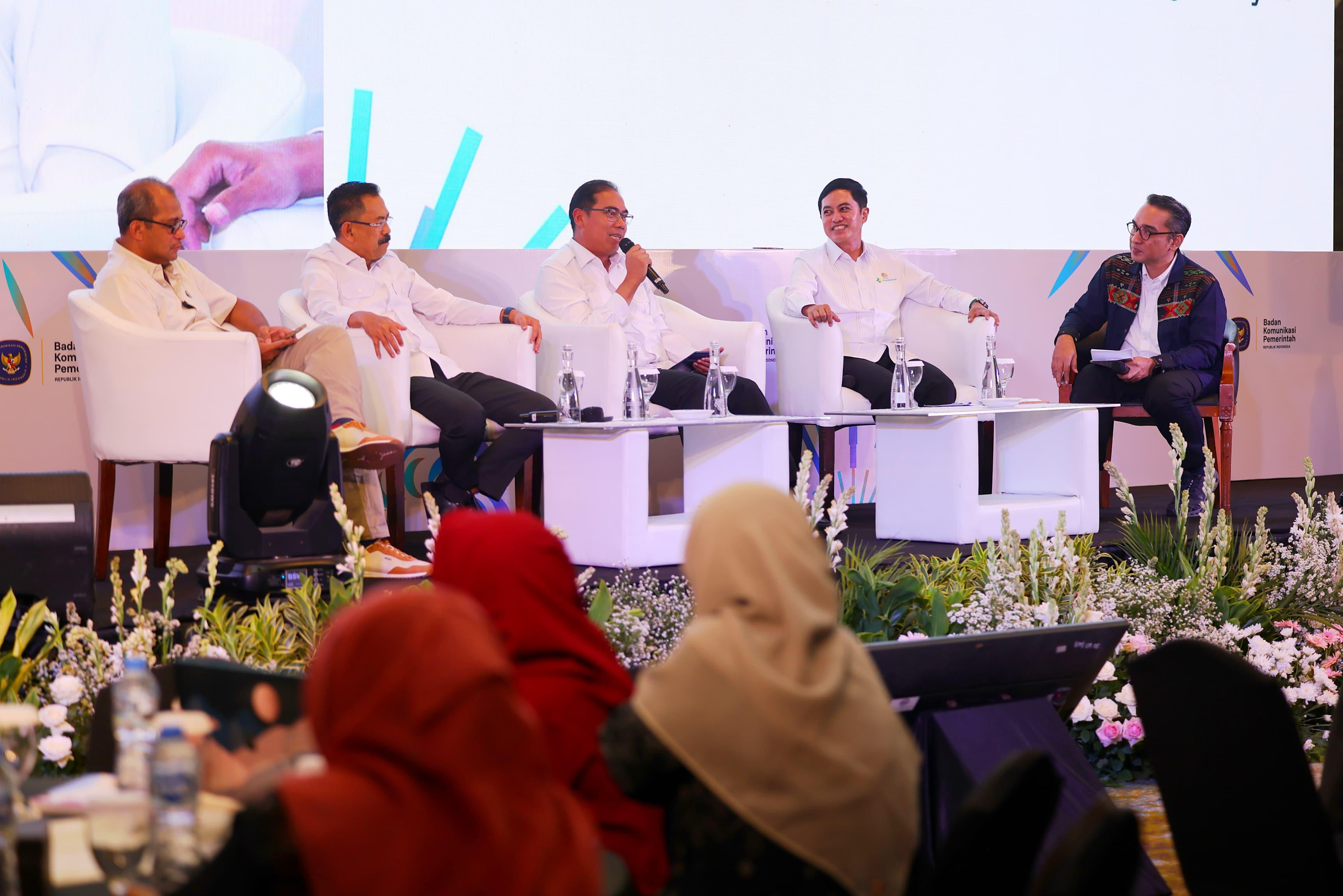
Indonesia's Ministry of Health has upgraded 66 Regional General Hospitals (RSUD) from Class D to Class C to expand access to healthcare services across the country, with 21 hospitals having completed 100% of their construction work (29/10).
The program aims to improve the availability of quality healthcare facilities at the district level, particularly for patients requiring treatment for cancer, heart disease, stroke, and uronephrology, collectively known as KJSU.
Deputy Minister of Health Prof. Dante Saksono Harbuwono said the initiative is part of the national health development agenda under the President's 2025–2029 vision and mission.
Indonesia Upgrades 66 Regional Hospitals to Expand Healthcare Access
Dante said the government had identified four major categories of catastrophic diseases based on their contribution to mortality and healthcare financing.
"We have evaluated the diseases that cause the most deaths and have the greatest impact on healthcare financing, which we classify as catastrophic diseases. There are four: cancer, heart disease, stroke, and uronephrology," Dante said during the Expert Forum: Evaluating Policies, Strengthening Benefits for the People, in Jakarta on Thursday (29/10).
The hospital development program is intended to bring healthcare services closer to communities, reducing the need for patients in regional areas to travel to major cities for treatment.
Hospital Upgrades Target Cancer, Heart Disease and Other Serious Conditions
In addition to improving hospital buildings, the Ministry of Health is ensuring the availability of medical equipment, strengthening healthcare personnel, and improving medical services.
For heart disease treatment, the government plans to gradually equip all district-level regional hospitals across Indonesia with cardiac catheterization laboratories, also known as cath labs, and facilities for heart stent procedures.
The ministry is also providing support to regions with limited healthcare access. Aceh Province, for example, has received medical equipment to improve local treatment facilities.
Dante said the policy responds to public concerns about the long distances patients previously had to travel to provincial capitals or other regions to receive medical treatment.
"If someone has heart disease, they will no longer need to come to Jakarta. They can receive treatment and have a stent installed in Aceh," he said.
Medical Equipment and Specialist Training to Support Regional Hospitals
The Ministry of Health emphasized that medical equipment distribution would be adjusted according to the availability of specialist doctors in each region.
Dante said this approach would ensure that the facilities provided could be used effectively to support patient treatment.
The government is also asking regional administrations to support specialist education by sending doctors for further training in medical fields related to the targeted diseases and the healthcare facilities being developed.
"We therefore continue to ask regional governments to provide affirmative support by sending their doctors to undertake specialist education related to the diseases and healthcare facilities that we are providing," Dante added.
Government Expands Hospital Revitalization and Free Health Checks
Alongside the development of 66 regional hospitals, the government is preparing a revitalization program for community health centers (puskesmas) and district hospitals.
The program includes building improvements, infrastructure upgrades, additional medical equipment, and improvements in healthcare service quality.
The government is also combining these treatment-focused initiatives with preventive healthcare programs through the Free Health Check Program, known as Cek Kesehatan Gratis (CKG).
The program aims to detect early risks of hypertension, diabetes, and high cholesterol. In 2026, it had reached approximately 112 million people.
PHOTO: MINISTRY OF HEALTH
This article was created with AI assistance.
We make every effort to ensure the accuracy of our content, some information may be incorrect or outdated. Please let us know of any corrections at [email protected].
Read More