





 Monday, 21-09-26








International trade partnerships within Southeast Asia continue to evolve as regional leaders seek sustainable ways to support domestic industries and enhance supply chain resilience. Recent diplomatic engagements between Jakarta and Bangkok have opened new avenues for cross-border collaboration, particularly within the agricultural and manufacturing sectors. During a high-profile bilateral meeting at the Merdeka Palace, discussions between Indonesian and Thai leadership touched upon critical commodities ranging from staple foods to industrial farming inputs.
At the center of these commercial negotiations is a shared commitment to stabilizing regional food production through reliable resource sharing. As global markets experience ongoing fluctuations, strategic cooperation between major economies in the region becomes increasingly vital. The discussions underscored mutual readiness to balance trade volumes, ensuring that both nations benefit from expanded market access. Examining these trade dynamics offers valuable perspective on how regional cooperation supports long-term economic growth and agricultural productivity.
Expanding Export Opportunities for Industrial Agricultural Inputs
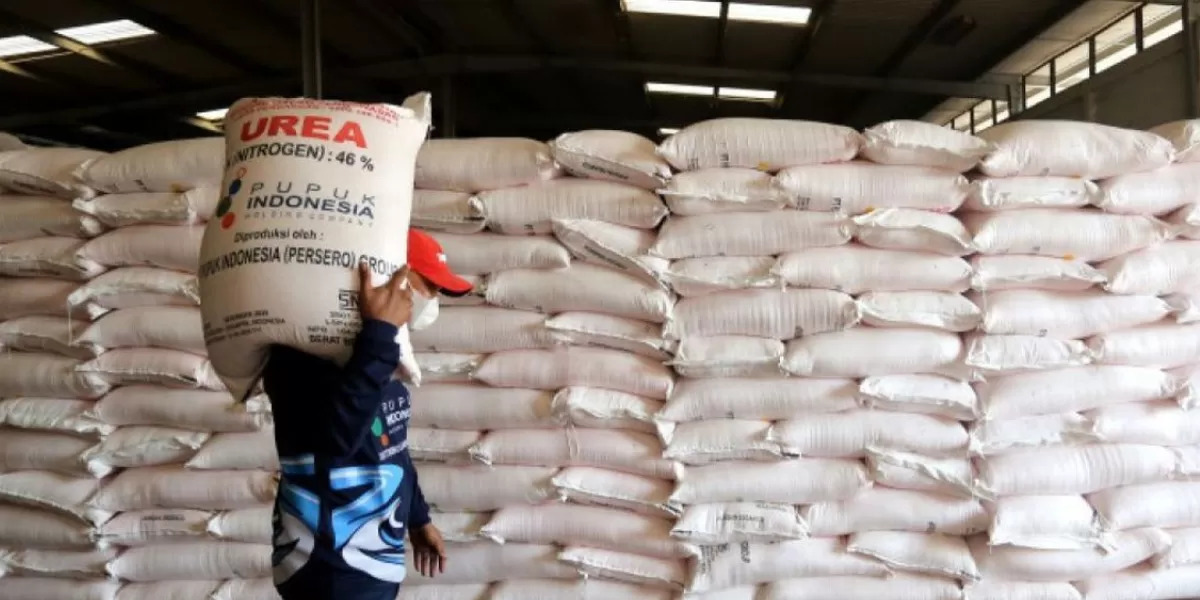
A prominent highlight of the recent state discussions involved a specific request from the Thai government to significantly scale up procurement volumes for essential farming nutrients. Historically, neighboring agricultural sectors rely heavily on high-quality chemical inputs to maintain optimal crop yields across extensive farming tracts. Government representatives noted that current import quantities of Indonesian urea fertilizer hover around 60,000 tons annually. However, Bangkok has expressed a formal desire to elevate this figure to hundreds of thousands of tons per year.
This proposed expansion reflects deep confidence in the manufacturing capabilities and supply reliability of Indonesia's state-owned fertilizer producers. State enterprises have consistently demonstrated the capacity to meet strict international quality standards while fulfilling domestic agricultural obligations. By scaling up production capabilities and streamlining logistics, national manufacturers are well-positioned to capture a larger share of the regional export market. Increasing the international distribution of urea fertilizer not only bolsters foreign exchange earnings but also solidifies the country's reputation as a dependable industrial partner within ASEAN.
Navigating Trade Balances and Agricultural Exchange
Bilateral trade frameworks often require careful balancing acts to ensure mutual satisfaction between participating sovereign states. While foreign leadership seeks enhanced access for industrial farming inputs like urea fertilizer, they simultaneously offer reciprocal trade opportunities for various agricultural and manufactured goods. Trade discussions emphasized establishing harmonious mechanisms where both nations can fulfill respective strategic needs without disrupting local market equilibriums.
The dialogue also encompassed broader commercial targets, with both governments aiming to push bilateral trade values significantly higher over the coming years. Establishing dedicated joint committees will facilitate smoother bureaucratic processes, resolve potential trade bottlenecks, and encourage private sector investments. Through transparent communication and structured economic diplomacy, both countries are laying the groundwork for a robust commercial ecosystem that encourages sustainable growth across multiple industries.
Production Readiness and Supply Chain Resilience
Meeting higher international export volumes demands rigorous operational planning and robust infrastructure from domestic manufacturers. State-owned fertilizer producers have ramped up facility efficiencies, ensuring that inventory reserves remain ample to service both local farmers and international clients. Maintaining strict quality control standards across all production lines ensures that exported urea fertilizer consistently meets the stringent technical requirements expected by overseas agricultural sectors.
Furthermore, supply chain resilience relies heavily on efficient maritime logistics and port management. Investments in bulk handling facilities and regional distribution hubs have reduced transit times and minimized shipping losses. These logistical enhancements ensure that large cargo shipments can reach international destinations promptly and cost-effectively. As global demand for reliable crop nutrients continues to expand, maintaining these high operational standards remains essential for long-term commercial success.
Future Prospects for Regional Economic Cooperation
Looking toward the horizon, the deepening commercial partnership between Indonesia and its regional neighbors signals a positive trend for Southeast Asian economic integration. Collaborative efforts in agricultural technology, food processing, and raw material supply chains will continue to generate mutual benefits. By aligning trade policies with food security objectives, both nations can effectively navigate global economic uncertainties.
Ultimately, the growing international demand for Indonesian urea fertilizer highlights the nation's rising stature as a key industrial pillar in the region. Through sustained productivity, strategic diplomacy, and disciplined supply chain management, the country is well-equipped to support global agricultural needs while driving domestic economic prosperity.
Read More