





 Tuesday, 22-09-26








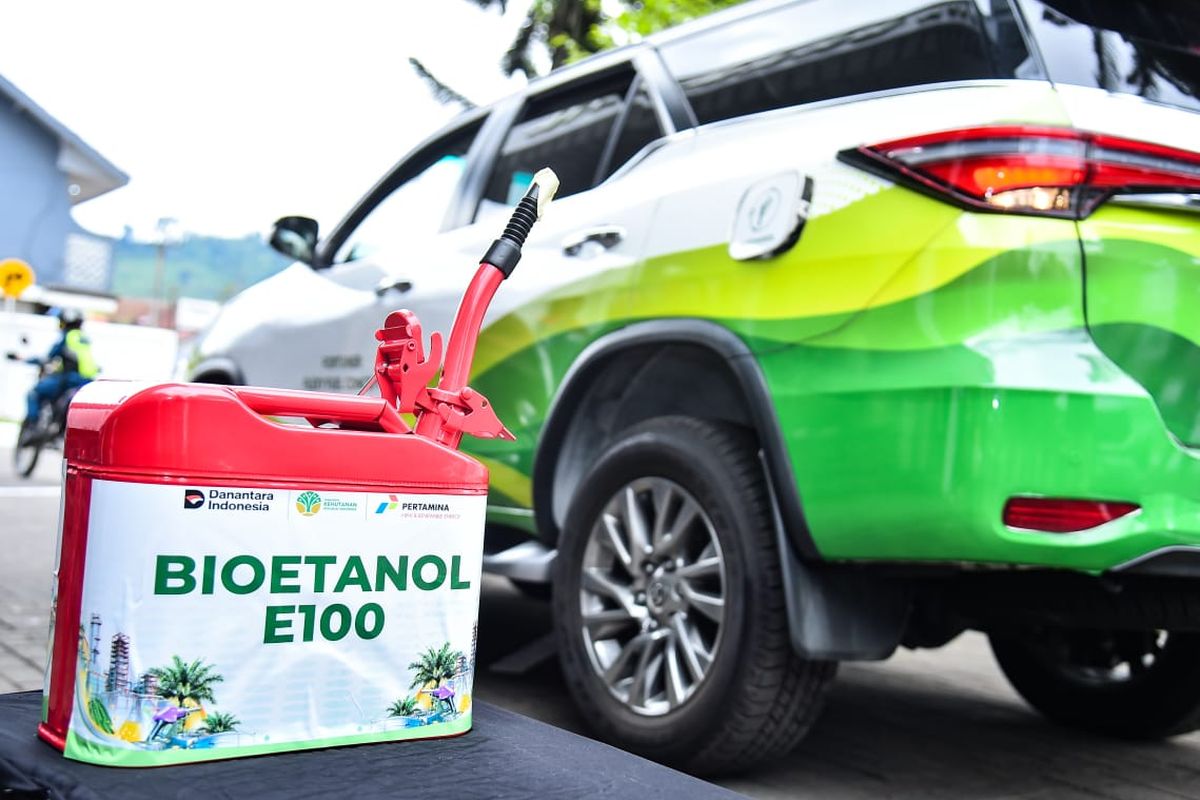
The Ministry of Energy and Mineral Resources in Indonesia recently updated its market benchmark figures for bio-based fuels, capturing significant attention across regional energy markets. The announcement of the Indonesia Biofuel Price Increase for September 2026 represents a critical milestone in the nation's ongoing transition toward sustainable energy. Official adjustments reflect rising market index prices for both biodiesel and bioethanol, signaling shifts in underlying feedstock valuation, transportation logistics, and processing overhead.
As a prominent global producer of palm oil, Indonesia routinely adjusts its biofuel pricing mechanisms to mirror real-world market dynamics. These changes ensure that domestic processing units remain economically viable while guaranteeing that national blending targets proceed without interruption. The concurrent upward adjustment in both biodiesel and bioethanol benchmark figures points to broader macroeconomic and agricultural trends affecting the entire Southeast Asian energy sector.
Understanding the root causes and economic ramifications of this upward adjustment requires a closer look at agricultural commodity markets, national mandates, and global energy demand. As green transition goals remain at the forefront of policy discussions, this pricing update offers crucial insight into how managed energy transition framework strategies function under changing economic conditions.
Understanding the Mechanisms Behind the New Biofuel Rates
The regulatory framework that establishes market index pricing in Indonesia relies on precise mathematical formulas tied to primary agricultural benchmarks. When evaluating the key factors driving the Indonesia Biofuel Price Increase, one must examine how government agencies calculate these official rates. Biodiesel pricing is tied closely to crude palm oil settlement figures recorded on regional commodity exchanges, supplemented by a fixed processing conversion allowance.
Bioethanol pricing follows a similar regulatory logic, using benchmark prices from raw sugar, molasses, or alternative grain inputs combined with conversion and distribution metrics. During September 2026, raw feedstock costs in both sectors moved upward, forcing official bodies to adjust market index figures accordingly. These structured updates serve to protect renewable fuel refiners from operating at a loss when raw material costs rise significantly.
By adjusting official index prices in lockstep with raw commodity movements, regulatory authorities maintain market stability. This transparent calculation formula reassures producers, fuel distributors, and investors that national biofuel targets will be supported by reliable pricing mechanisms that respond dynamic global trading environments.
Drivers of the Crude Palm Oil and Ethanol Price Surge
The upward pressure on biofuel benchmark rates stems directly from global and regional supply considerations. Crude palm oil, the primary feed input for Indonesian biodiesel, experienced increased international demand alongside localized supply adjustments. Weather patterns in key growing regions, coupled with seasonal yield cycles, created a tighter supply environment across domestic refining centers.
Simultaneously, the agricultural raw materials needed for bioethanol processing experienced elevated production expenditures. Increased costs for fertilizer, transportation, and processing energy raised the baseline floor for sugarcane and molasses derivatives. These combined cost increases naturally fed into official calculation formulas, directly influencing the final benchmark rates announced by energy authorities.
Furthermore, shipping and logistics costs across the archipelago experienced subtle increases due to broader economic inflation. Because distributing raw inputs to processing centers requires significant transportation resources, rising logistics overhead inevitably impacts the total production cost structure for refined bio-based fuels.
Economic Implications for Energy Markets and Consumers
The broader commercial impacts of the Indonesia Biofuel Price Increase extend far beyond processing facilities and government offices. Fuel blending companies and logistics operators must adjust their financial planning to account for higher input costs. While subsidy structures and management funds operated by palm oil agencies help absorb some price volatility, higher index prices inevitably exert fiscal pressure on government budget allocations.
For commercial transport fleets, industrial users, and public transport operators, changes in blended fuel pricing can alter operational expenditures. Although mandatory blending limits cushion end users from raw commodity price spikes, overall energy costs remain closely tied to these official benchmarks. Businesses across the transport sector are actively monitoring these changes to optimize fleet management strategies.
At the macro level, adjusted renewable fuel prices influence national inflation metrics and trade balances. By substituting imported fossil diesel with domestically produced palm-based biodiesel, Indonesia retains capital within its borders, even when domestic benchmark prices increase. Consequently, the net economic impact remains generally favorable compared to relying solely on imported petroleum products.
Strategic Impact on the Indonesian B35 and B40 Mandates
Indonesia stands as an international leader in implementing ambitious renewable fuel mandates, having successfully rolled out the B35 program while preparing for potential full adoption of B40 blends. The technical feasibility of high-percentage biodiesel blends depends heavily on sustained refining capacity and predictable financial framework support. The recent Indonesia Biofuel Price Increase highlights the continuous balance needed between policy ambitions and raw material market reality.
Maintaining a higher ratio of biofuel in commercial diesel requires constant infrastructure investment from both government agencies and private processing companies. Higher benchmark prices ensure that processing facilities retain sufficient operating margins to maintain equipment, improve fuel quality standards, and expand production capacity. Without equitable pricing structures, refiners might struggle to meet the massive volumes required by national blending mandates.
Moreover, preparing national fuel distribution infrastructure for higher blending targets like B40 demands technical consistency. Consistent, market-reflective pricing encourages continuous private sector investment in storage tanks, blending terminals, and specialized distribution networks necessary to handle larger bio-based fuel volumes smoothly.
Long-Term Outlook for Biofuel Policies in Southeast Asia
Looking beyond immediate monthly adjustments, Southeast Asian economies are closely monitoring how Indonesia navigates renewable energy economics. The policies governing the Indonesia Biofuel Price Increase offer valuable operational lessons for neighboring countries seeking to enhance national energy security while reducing carbon intensity. As regional energy demand grows, relying on sustainable agricultural feedstocks offers a practical path toward reducing reliance on external energy imports.
Future developments in international carbon accounting, agricultural sustainability certifications, and clean technology investments will continue shaping the bioenergy sector. Sustainable land use practices and improved agricultural productivity will be critical to ensuring that rising biofuel demand does not compromise food security or environmental conservation standards.
Policy stability, transparent price calculation formulas, and robust supply chain integration will remain fundamental pillars for long-term success. As global commodity markets continue to evolve, adaptive regulatory mechanisms will be essential for balancing consumer affordability with industry viability.
Final Considerations on the Future of Renewable Fuel
The September 2026 adjustment in biodiesel and bioethanol benchmark prices demonstrates the dynamic nature of managing large-scale green energy programs. By aligning official index figures with underlying commodity realities, energy authorities preserve market confidence and protect domestic energy security.
Moving forward, stakeholders across agriculture, refining, transportation, and government policy must collaborate to navigate ongoing cost fluctuations. Through strategic planning, investment in processing efficiency, and transparent policy frameworks, Indonesia continues to demonstrate how large-scale renewable fuel blending programs can thrive amidst complex global economic conditions.
Read More