





 Thursday, 25-06-26








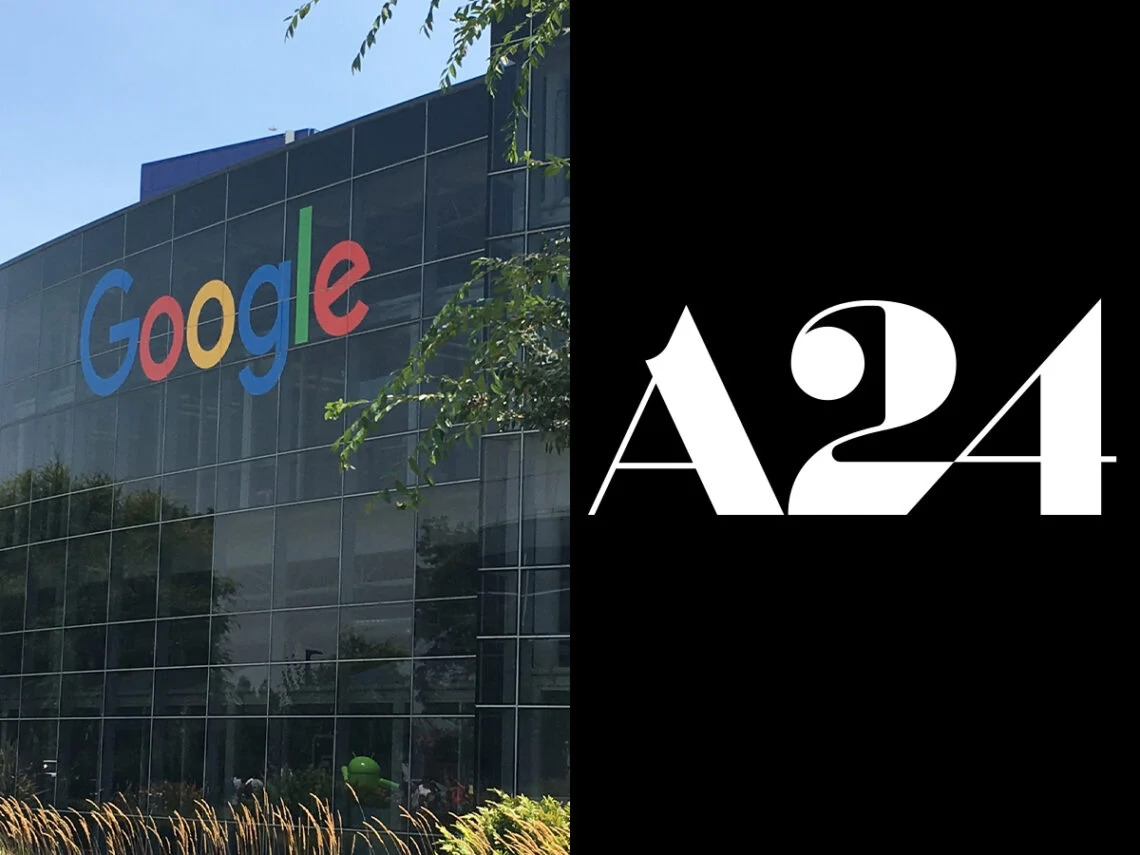
Google DeepMind and A24 have announced a research partnership that puts AI filmmaking directly into the mainstream of Hollywood conversation. According to Google, the collaboration is designed to help artists develop new workflows and techniques, with the studio retaining creative control over the process. Reuters also reported that Alphabet has made a $75 million investment in A24, while The Verge noted that the arrangement is non-exclusive and spans multiple projects over time.
The reaction has been immediate because A24 is not just any studio. It has built a reputation as an influential independent brand behind films such as Everything Everywhere All at Once, Backrooms, and Marty Supreme, and its audience tends to see it as creatively distinct from the corporate side of entertainment. That is exactly why the Google partnership has triggered so much debate around AI filmmaking. What looks like an R&D collaboration to one side looks like a cultural turning point to another.
What Google And A24 Actually Announced
The official announcement from Google says the partnership is a first-of-its-kind research collaboration focused on helping creators shape future tools, rather than forcing generic AI products onto the production process. Google says the effort is meant to bridge the gap between cutting-edge technology and next-generation entertainment, and that the work will evolve through repeated testing and iteration across multiple projects. In short, this is not being framed as a one-off sponsorship. It is being positioned as a longer-term development relationship around AI filmmaking.
Reuters added an important clarification: a source familiar with the arrangement said the deal is not an intellectual property or data-training agreement, and filmmakers will retain full creative control. The same Reuters report also said A24 will gain access to DeepMind research, infrastructure, and global reach. That detail matters because many fears around AI in entertainment come from the assumption that studios are surrendering their catalogs to model training. In this case, at least according to the reporting, that is not the structure being used.
The reported dollar amount also changes the tone of the discussion. The Wall Street Journal said Google is investing about $75 million in A24, and The Verge said this marks the first time Google has taken a stake in a film studio. That makes the move symbolic as well as strategic. Google is not only supporting a creative partnership. It is entering a sector where its AI tools could shape how stories are planned, visualized, and delivered. That is why AI filmmaking is no longer a niche technical topic. It is now a boardroom issue.
Why The Investment Matters For Hollywood
Hollywood has spent the last few years arguing about whether AI should be treated as a tool, a threat, or both. This deal matters because it moves the discussion away from abstract fear and into practical implementation. Instead of debating whether AI belongs in film, the industry is now being asked how AI should be integrated, who controls it, and which parts of production are fair game. Google and A24 are clearly betting that artists will want systems that support creativity without replacing creative judgment.
That distinction is crucial for AI filmmaking because the phrase itself covers many different workflows. It can mean storyboarding, previsualization, editorial assistance, workflow automation, or even distribution tooling. The Verge reported that Google and A24 are aiming to create tools for movie production and distribution, while Google’s own blog says the initial focus is on helping creators develop new techniques. In other words, the deal is less about generating finished films from prompts and more about reshaping the production stack behind the camera.
For a studio like A24, that has obvious upside. Independent film companies live or die on speed, creative flexibility, and efficient use of capital. If AI can help teams iterate on storyboards, technical specs, or early production planning, then it could reduce friction without flattening the artistic result. That is also why Scott Belsky, an A24 partner, said the tools being developed will not resemble the kind of prompted generation people tend to find uncomfortable. His framing suggests the studio wants AI to sit inside the creative process, not over it.
Google also has a business reason to be involved. A24 gives the company access to a culturally influential, filmmaker-first brand that can act as a real-world laboratory for product design. Google does not often get the chance to test AI tools in a setting where aesthetic quality matters as much as technical performance. A24 is useful precisely because its brand depends on taste. That makes it a valuable proving ground for AI filmmaking tools that need to feel credible to directors, producers, editors, and audiences at the same time.
Why The Reaction Has Been So Divisive
The backlash was predictable, but that does not make it trivial. Salon described the partnership as a turn away from fans, and noted that many A24 followers see the deal as inconsistent with the studio’s creative-first identity. That tension is easy to understand. A24 has long benefited from being perceived as the cool outsider, the studio that champions bold storytelling rather than safe commercial formulas. Once a brand like that enters a high-profile AI deal, some of its audience reads it as a betrayal.
There is also a deeper cultural issue at work. Fans are not only reacting to the technology. They are reacting to what the technology represents. For many viewers, AI filmmaking brings up the worst fears about automation, cheapened creativity, and the loss of human authorship. That is especially true in a period when Hollywood is still sensitive about labor, copyright, and the future of creative work. The Verge noted that major studios such as Disney, Universal, and Warner Bros. have fought AI companies over alleged copyright violations, which explains why any new AI partnership attracts scrutiny almost instantly.
The controversy is amplified by the symbolism of A24 itself. This is a studio whose brand has often been built around artistic credibility and audience trust. Reuters highlighted that the company is behind titles such as Backrooms, Marty Supreme, and Everything Everywhere All at Once. That catalog helps explain why the partnership feels bigger than its financial value. When a studio with that kind of reputation makes a move into AI filmmaking, people notice because it can normalize the technology for the rest of the industry.
At the same time, the backlash also reveals a broader reality: audiences are increasingly aware that innovation and commerce are tangled together. Salon’s reporting captured that unease directly, suggesting the partnership exposes the dissonance between art and business. That is likely to remain true even if the tools succeed technically. The real argument is not whether AI will enter filmmaking. It already has. The argument is about who gets to define the terms.
What This Means For The Future Of AI Filmmaking
The most important lesson from the Google and A24 deal is that AI filmmaking is entering a more mature phase. The early hype cycle was full of claims that AI would make films cheaper and faster. The current conversation is more nuanced. It asks whether AI can genuinely improve creative workflows, preserve artistic control, and support experimentation without turning film into generic output. That is a much harder challenge, but it is also a more credible one.
This partnership may also become a template for future deals across entertainment. If Google and A24 can show that AI tools can assist in storyboarding, development, and production planning without eroding authorship, other studios will almost certainly study the model. The logic is simple. Hollywood is always looking for ways to reduce uncertainty, speed up development, and protect margin. AI can help with all three, but only if it is deployed in ways that artists and executives can both tolerate. That balance will define the next chapter of AI filmmaking.
For now, the most realistic interpretation is that this deal is a signal, not a verdict. Google is showing that it wants a seat at the table where creative tools are designed. A24 is showing that it is willing to experiment, even if the experiment unsettles part of its fan base. The outcome is still unknown, but the direction is clear. The entertainment industry is no longer asking whether AI belongs in film. It is asking how to make AI filmmaking work without losing the human qualities that made cinema valuable in the first place.
Read More