





 Monday, 21-09-26








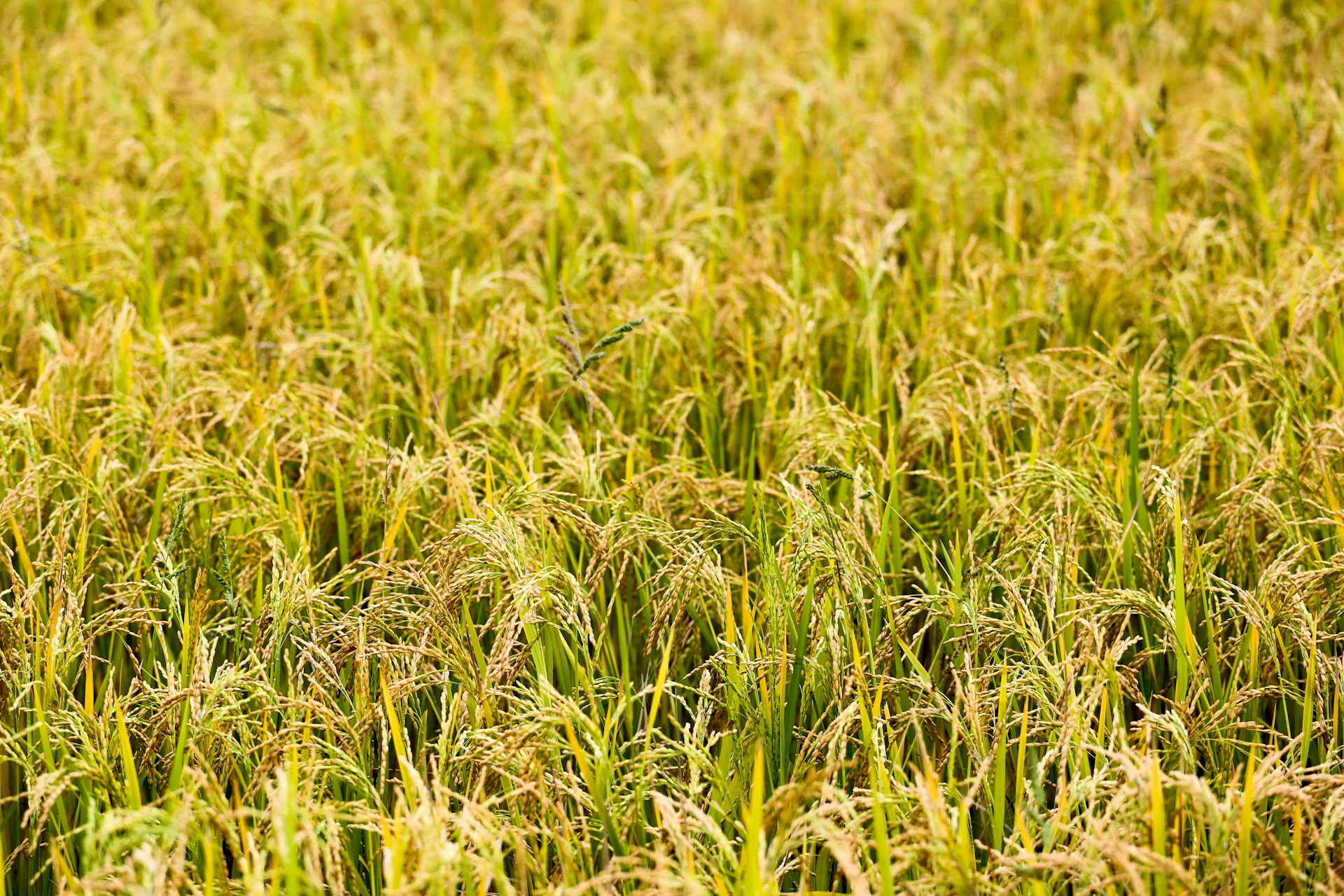
Indonesia is accelerating a 750-hectare rice planting program in Lamongan, East Java, to strengthen national rice production and anticipate the impact of El Niño, Deputy Agriculture Minister Sudaryono said on Monday (01/06).
The program is intended to support national rice output while maintaining the growth of planted areas in one of Indonesia’s main food-producing regions.
Government Reviews Rice Planting Program in Lamongan
Sudaryono, accompanied by National Development Planning Minister Rachmat Pambudy, visited Kebalankulon Village to review the planting program.
The delegation observed the planting of Inpari 32 rice on a 12-hectare plot that is part of Lamongan’s target of planting rice across 750 hectares. The officials also joined the planting activity.
“This program is an effort to strengthen national rice production and maintain the momentum of increasing planted areas in one of Indonesia's main food-producing regions,” Sudaryono said.
Expanding Planting Areas to Increase Food Production
Sudaryono said higher food production can only be achieved by expanding planting areas.
He added that the government continues to ensure farmers have access to irrigation water, seeds, fertilizers, and agricultural machinery.
“The principle of agriculture is simple. If we want bigger harvests, we must plant more. That is why the government is ensuring that all production inputs are available so farmers can expand planting areas and improve productivity,” he said.
Lamongan Supports National Food Production Targets
According to Sudaryono, Lamongan plays an important role in helping achieve national food production targets because it is one of East Java’s most productive agricultural districts.
He said agricultural indicators in the district have shown positive trends in productivity, harvested area, and output.
Agriculture Ministry Strengthens El Niño Mitigation Measures
The Agriculture Ministry is also strengthening measures to anticipate the effects of El Niño, which is expected to peak in August.
Sudaryono said national food reserves remain sufficient to meet public needs. Based on current projections, El Niño is expected to have its strongest impact between July and September, with conditions peaking in August.
The government has prepared mitigation measures to maintain agricultural production stability during the climate event.
The ministry continues to strengthen water infrastructure through irrigation rehabilitation, construction and repair of water facilities, groundwater drilling, and pumping programs in major food-producing areas.
Since 2024, the ministry has distributed nearly 100,000 water pumps across Indonesia to help maintain agricultural productivity during drought and other climate-related challenges.
Farmers Receive Seeds and Agricultural Equipment
During the visit, Sudaryono, Rachmat Pambudy, and Lamongan District Head Yuhronur Efendi symbolically handed over agricultural assistance to local farmers.
The assistance included rice seeds, corn seeds, hand tractors, and rotavators.
PHOTO: UNSPLASH
This article was created with AI assistance.
We make every effort to ensure the accuracy of our content, some information may be incorrect or outdated. Please let us know of any corrections at [email protected].
Read More