





 Friday, 25-09-26








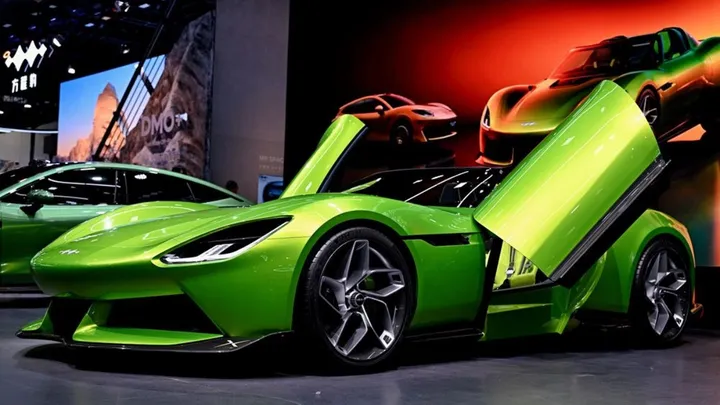
The global electric vehicle market has entered a new phase, and the latest milestone comes from China. A BYD electric supercar has made headlines after being sold for an astonishing Rp44 billion at the Beijing Auto Show 2026. This sale not only sets a new benchmark for pricing in the electric vehicle segment but also signals a shift in how luxury and performance are being redefined in the EV era.
For years, electric vehicles were associated with affordability, sustainability, and efficiency. However, the emergence of ultra-premium models like the BYD electric supercar demonstrates that the market is rapidly evolving. High-performance electric vehicles are now competing directly with traditional supercars, not just in speed but also in exclusivity and price.
BYD Electric Supercar Redefines Luxury in EV Market
The sale of the BYD electric supercar at Rp44 billion positions it among the most expensive cars ever sold in China. This is a significant achievement for BYD, a company traditionally known for producing mass-market electric vehicles. The move into the ultra-luxury segment reflects the company’s ambition to compete with global premium brands.
What makes this development particularly noteworthy is how it challenges long-standing perceptions of electric vehicles. Luxury in the automotive industry has historically been dominated by brands with decades of heritage in combustion engine engineering. Now, companies like BYD are leveraging advanced battery technology, software integration, and innovative design to create a new category of high-end vehicles.
The BYD electric supercar is not just about price. It represents cutting-edge engineering, featuring high-performance electric motors, advanced aerodynamics, and next-generation battery systems. These elements combine to deliver acceleration and driving dynamics that rival, and in some cases surpass, traditional supercars.
This shift also highlights a broader trend in the automotive industry where innovation is becoming the primary driver of luxury. Instead of focusing solely on craftsmanship and brand legacy, manufacturers are increasingly emphasizing technology, sustainability, and performance.
Beijing Auto Show 2026 Highlights Growing EV Dominance
The Beijing Auto Show 2026 served as a global stage for showcasing the rapid advancements in electric mobility. The presence of the BYD electric supercar as one of the headline attractions underscores how China has become a central player in the global EV ecosystem.
China is already the largest electric vehicle market in the world, and events like the Beijing Auto Show reinforce its leadership. Domestic manufacturers are not only dominating in terms of volume but are also making significant strides in the premium and luxury segments.
The success of the BYD electric supercar at the event reflects strong consumer demand for high-end electric vehicles. Buyers are no longer just looking for environmentally friendly options; they are also seeking performance, exclusivity, and cutting-edge technology.
Another key takeaway from the event is the increasing competitiveness of Chinese automakers on the global stage. By producing vehicles that can command such high prices, companies like BYD are signaling their readiness to compete with established luxury brands from Europe and the United States.
This trend is likely to intensify as more manufacturers invest in research and development to create next-generation electric vehicles. The competition will not only drive innovation but also accelerate the adoption of EVs worldwide.
What This Means for the Future of Electric Supercars
The record-breaking sale of the BYD electric supercar has broader implications for the automotive industry. It indicates that the market for electric supercars is not only viable but also highly lucrative.
One of the key drivers behind this trend is the rapid advancement of battery technology. Improvements in energy density, charging speed, and durability are enabling manufacturers to build electric vehicles that meet the performance expectations of supercar buyers. This is a critical factor in attracting high-net-worth individuals who demand both speed and reliability.
Additionally, the integration of digital technologies is playing a crucial role. Modern electric supercars are equipped with advanced software systems that enhance driving performance, safety, and user experience. Features such as real-time data analytics, autonomous driving capabilities, and personalized interfaces are becoming standard in this segment.
The rise of the BYD electric supercar also reflects changing consumer preferences. Younger buyers, in particular, are more open to embracing new technologies and are less tied to traditional automotive brands. This demographic shift is creating opportunities for companies like BYD to establish themselves as leaders in the luxury EV market.
From an industry perspective, the success of high-priced electric vehicles could encourage more manufacturers to enter this segment. This will likely lead to increased competition, which in turn will drive further innovation and improvements in technology.
Strategic Implications for BYD and Global Automakers
For BYD, the success of its electric supercar represents a strategic milestone. It demonstrates the company’s ability to move up the value chain and compete in the premium segment. This could have a significant impact on its brand perception, both domestically and internationally.
By positioning itself as a producer of high-end electric vehicles, BYD can attract a new segment of customers and increase its profit margins. This is particularly important in a market where competition in the mass segment is becoming increasingly intense.
For global automakers, the rise of the BYD electric supercar serves as a wake-up call. Traditional luxury brands will need to accelerate their transition to electric vehicles if they want to maintain their market position. This includes investing in new technologies, rethinking design philosophies, and adapting to changing consumer preferences.
The development also highlights the importance of innovation in the automotive industry. Companies that can effectively combine performance, sustainability, and technology will be better positioned to succeed in the evolving market landscape.
Conclusion: A Turning Point for Electric Vehicle Industry
The sale of the BYD electric supercar for Rp44 billion at the Beijing Auto Show 2026 marks a turning point in the electric vehicle industry. It signals the arrival of a new era where electric vehicles are not just practical alternatives but also symbols of luxury and performance.
As the market continues to evolve, the boundaries between traditional and electric vehicles are becoming increasingly blurred. The success of the BYD electric supercar demonstrates that the future of the automotive industry will be defined by innovation, sustainability, and the ability to meet the changing expectations of consumers.
This milestone is not just about one car or one company. It represents a broader transformation that is reshaping the global automotive landscape. And as more players enter the high-end electric vehicle market, the competition will only become more intense, driving further advancements and pushing the industry to new heights.
Read More