





 Saturday, 19-09-26








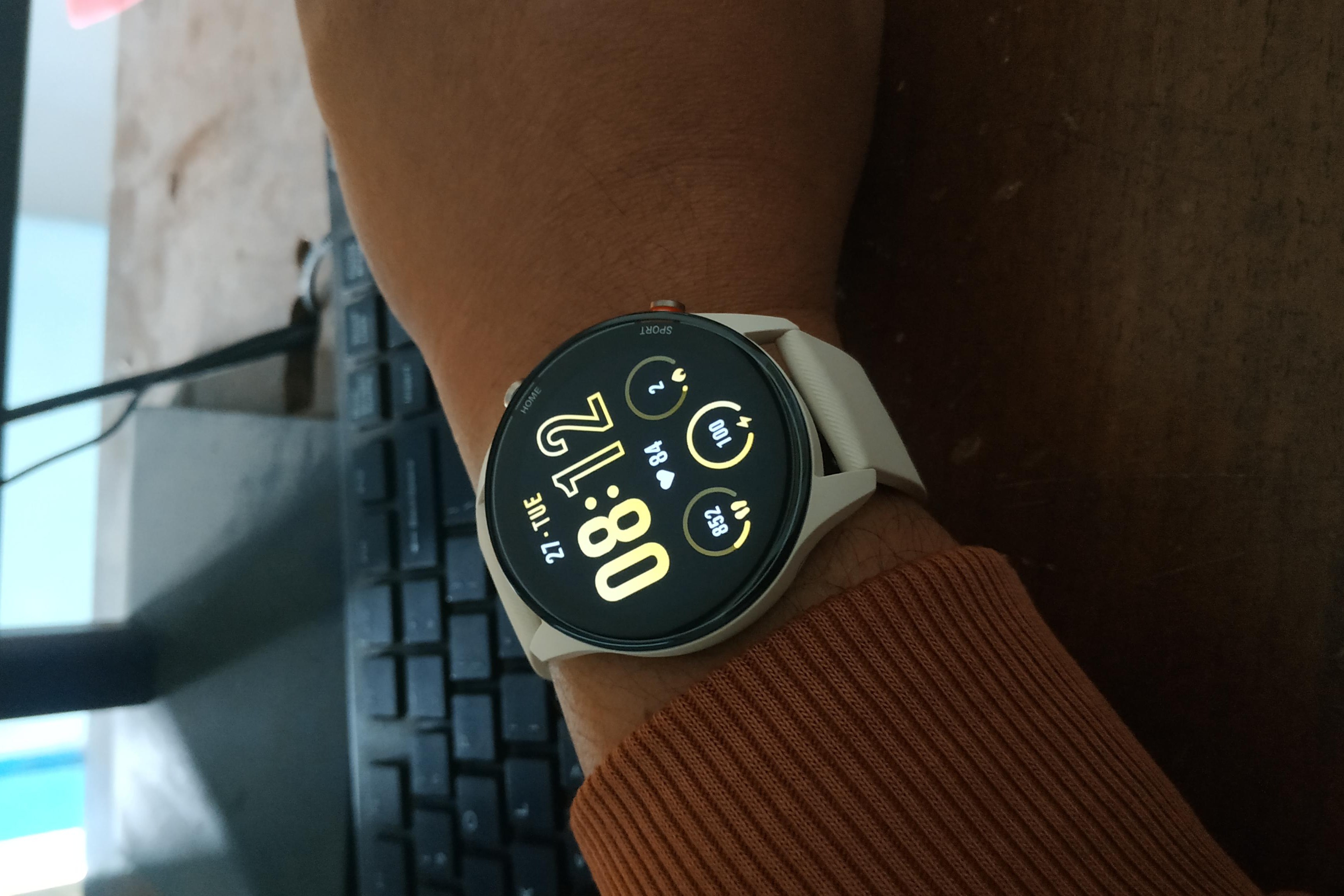
Xiaomi regained the top position in the global wearable market after five years away from the lead, according to new research released by Omdia (04/03).
Global wearable shipments reached more than 200 million units in 2025, representing a 6% year-on-year increase.
Xiaomi secured an 18% share of total global shipments. The figure placed the company slightly ahead of Apple, with 17%, and Huawei with 16%.
The difference among the three leading brands was less than one percentage point, showing a highly competitive market.
Global Wearable Shipments Reach 200 Million Units
The wearable industry continued to expand in 2025 as shipment volumes surpassed 200 million units worldwide.
Samsung and Garmin completed the top five global wearable brands.
Samsung recorded a market share of 9%, while Garmin accounted for 5% of global shipments.
Ecosystem Strength Becomes Key Competition Factor
Cynthia Chen, Research Manager at Omdia, said the competitive landscape of the wearable sector has changed.
According to Chen, wearable devices are no longer competing mainly through specifications such as screens, sensors, or battery life.
The main differentiation now lies in ecosystem strength.
The closer the integration between wearable devices and other products such as smartphones, tablets, vehicles, and smart homes, the higher the level of user loyalty.
Xiaomi Strategy Drives Growth Across Wearable Segments
Xiaomi benefited from its broad product portfolio in the wearable market.
The Mi Band series continues to generate high shipment volumes in the affordable segment.
Entry-level smartwatches also helped increase the company’s average selling price without pushing aggressively into the premium category.
Xiaomi’s “Human × Car × Home” strategy further supports integration across devices within its ecosystem, as reported by Gizmochina.
Meanwhile, Apple continues to dominate the premium wearable segment through close integration with the iPhone, high-end device quality, and expanding health features.
Huawei also maintains solid performance, especially in the Chinese market, with a focus on professional sports tracking and health technology.
Health Monitoring Trends Reshape Wearable Devices
Global wearable trends show increasing emphasis on advanced health monitoring features.
Earlier devices mainly focused on step counters and heart rate monitoring.
Newer devices are now offering continuous health monitoring supported by more advanced metrics.
Several manufacturers are also developing lighter and more minimalist designs to enable 24-hour usage.
With the narrow market share gap among the top three companies, competition in 2026 is expected to remain dynamic, depending on which brand can build the strongest ecosystem.
PHOTO: XIAOMI INDONESIA
This article was created with AI assistance.
We make every effort to ensure the accuracy of our content, some information may be incorrect or outdated. Please let us know of any corrections at [email protected].
Read More