





 Thursday, 15-10-26








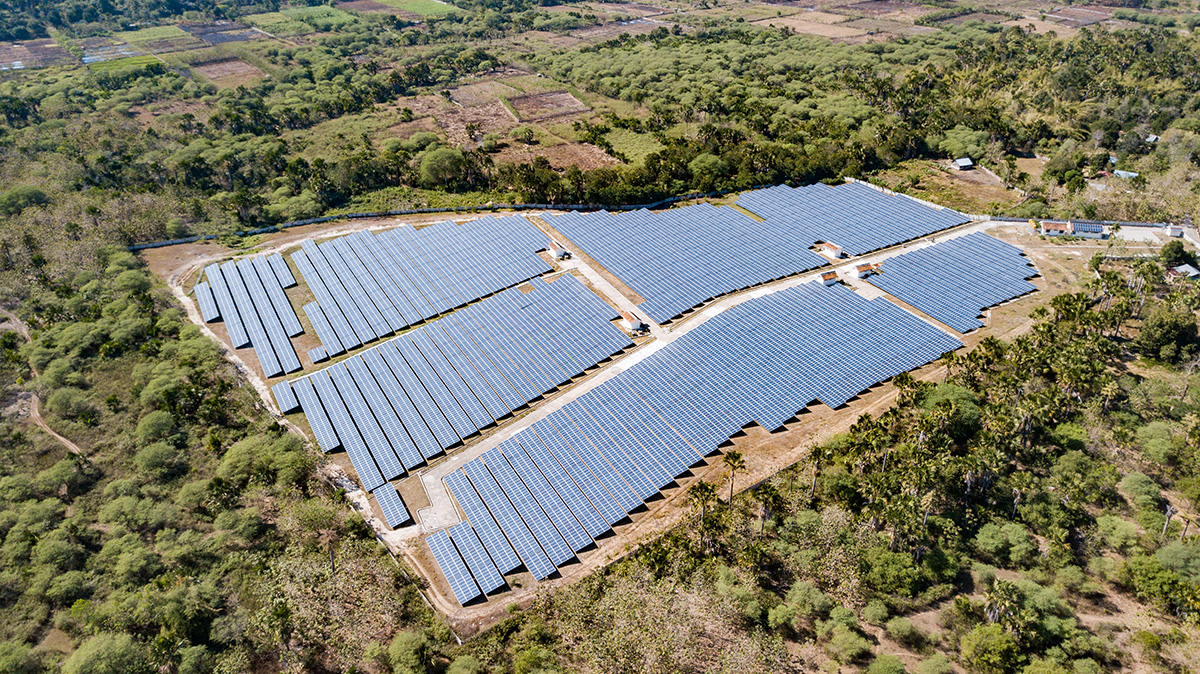
Indonesia’s ambition to become a renewable energy leader in Southeast Asia has gathered momentum amid rising global demand for clean power and increasing domestic policy commitments. As the archipelagic nation seeks to transition away from its historical reliance on fossil fuels, particularly coal, a confluence of policy reforms, investment frameworks, and infrastructure initiatives is positioning Indonesia at the forefront of regional renewable energy growth. This article explores the pillars of Indonesia’s renewable energy leadership, market dynamics, challenges to implementation, and the broader geopolitical and economic implications of its green energy transition.
Renewable Energy Growth Potential and Strategic Ambitions
Indonesia possesses one of Southeast Asia’s most abundant renewable energy resource bases, spanning solar, hydropower, geothermal, biomass, and wind power. According to industry assessments, the country’s technical renewable potential exceeds thousands of gigawatts, of which only a fraction has been harnessed to date. For example, solar energy alone contributes to a significant portion of this potential, while geothermal resources—which Indonesia holds in some of the largest quantities globally, remain substantially underutilized.
In April 2025, the Institute for Essential Services Reform (IESR) and other experts underscored Indonesia’s opportunity to reshape its energy trajectory and emerge as a renewable energy leader in Southeast Asia. The core of this transition strategy is to scale installed renewable capacity rapidly. Projections suggest that Indonesia’s renewable power capacity could reach tens of gigawatts in the next decade, supported by policy targets such as achieving a 35% renewable share in the electricity mix by the early 2030s.
In parallel, government plans for distributed and utility-scale solar photovoltaic (PV) installations, floating solar plants, and integrated battery storage systems underpin the broader vision for reliable clean power generation. These developments are accelerated not only by domestic policy design but also by international financing partnerships that seek to unlock investment opportunities within the clean energy sector.
Policy and Regulatory Reform as Enablers
A critical driver of Indonesia’s renewable expansion is policy reform aimed at improving regulatory certainty and incentivizing investment. Recent moves to strengthen legal frameworks for renewable energy procurement, enhance power purchase agreement transparency, and extend contractual bankability have been fundamental in attracting both domestic and foreign investors. In particular, the Renewable Energy and New Energy Law draft (RUU EBT) and updated National Power Supply Plan point toward a stronger regulatory landscape that supports cost-effective renewable adoption and clearer long-term returns for capital inflows. These reforms also set the stage for more competitive procurement processes, which can lower project costs and improve project pipeline viability.
Another central pillar is the Just Energy Transition Partnership (JETP), a multilateral initiative aimed at steering Indonesia’s decarbonization efforts while facilitating financial flows for renewable deployment. Through JETP, Indonesia has engaged in commitments with international partners to meet net-zero goals by 2050, though additional capital beyond initial pledges remains essential to meet long-term targets.
Economic and Social Impacts of Leadership
The renewable energy push is not only about electricity generation but also economic modernization. Clean energy infrastructure investment creates wide economic spillovers, from direct job creation in construction, engineering, and operations to ancillary industry growth in manufacturing and services. World Resources Institute models suggest that renewable scale-up could generate hundreds of thousands of new jobs in various segments of the energy value chain. Moreover, aligning energy policy with economic goals can strengthen energy security and reduce reliance on imported fuels, which traditionally strain Indonesia’s trade balance. Reduced fossil fuel dependence also yields health benefits through improved air quality and lower emissions, aligning socio-economic priorities with environmental objectives.
In addition, Indonesia’s geographical position and abundant renewable potential create opportunities for regional power exports. Cross-border interconnector projects, such as subsea electricity cables to Singapore, could enable the export of low-carbon power, anchoring Indonesia’s role as a crucial energy partner within ASEAN markets.
Technology and Innovation as Growth Catalysts
Technological innovation is central to unlocking Indonesia’s renewable energy leadership. Integration of smart grid technologies, energy storage solutions, and digital optimization tools enhances grid reliability and supports higher variable energy penetration. ABB research, for example, highlights that many Indonesian organizations have already committed significant capital expenditure to renewable adoption and digital integration, which accelerates the pace of the national transition. Solar PV and battery energy storage systems (BESS) technologies are particularly crucial in an archipelagic nation with dispersed load centers. Distributed generation solutions, mini-grids, and hybrid systems can expand energy access while maintaining grid stability and reducing barriers to renewable deployment in rural and island communities.
Persistent Challenges and Strategic Solutions
Despite the strong renewable potential and policy momentum, Indonesia’s path to leadership is not without hurdles. A significant challenge is the legacy footprint of coal, which still dominates the country’s power mix and infrastructure. Efforts to retire fossil fuel plants and shift to clean alternatives require careful planning to manage economic impacts, workforce transitions, and stranded assets.
Structural hurdles such as land acquisition complexities, financing gaps, and project preparation bottlenecks also impede fast-tracked deployment. IEEFA analyses argue that Indonesia’s renewable project pipeline requires a standardized and scalable procurement infrastructure to manage simultaneous project developments at scale. Balancing grid stability with variable renewable integration presents another technical challenge. Investments in smart grid systems, storage capacity, and demand-side management tools are necessary to avoid reliability issues as renewable penetration increases.
Regional and Global Implications
Indonesia’s renewable leadership signals more than domestic transformation; it reflects broader regional ambitions for Southeast Asia’s energy future. As ASEAN nations collectively pursue decarbonization, Indonesia’s progress could catalyze deeper regional cooperation in cross-border electricity trade, harmonized policy frameworks, and pooled investment mechanisms. For global climate goals, Indonesia’s transition contributes significantly to mitigating greenhouse gas emissions, enhancing resilience against climate change impacts, and advancing sustainable development objectives across multiple sectors.
Read More