





 Monday, 12-10-26








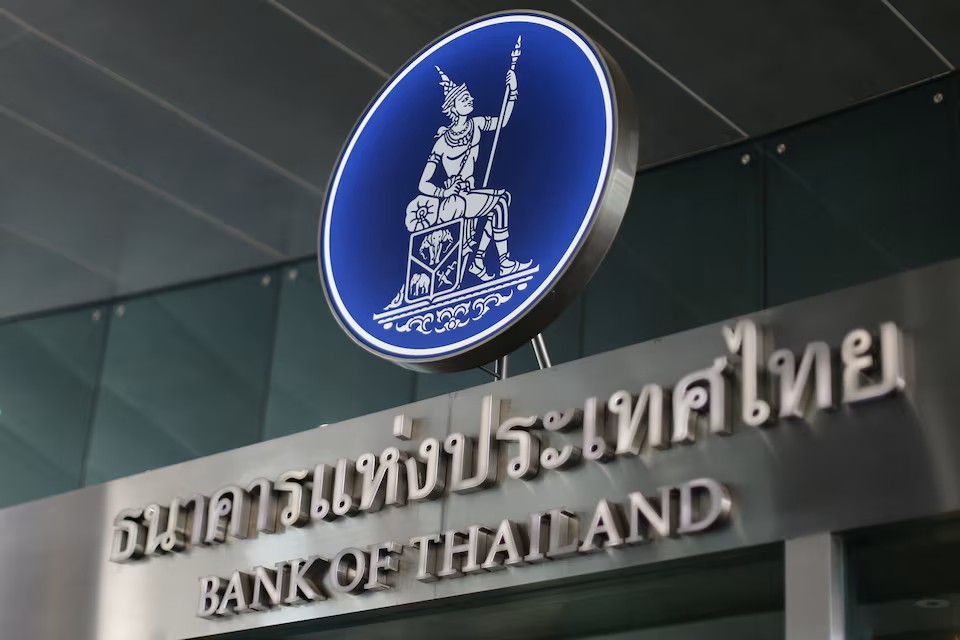
Thailand's central bank lowered its key interest rate by 25 basis points to 1% on Wednesday (26/02), aiming to support economic growth as the country’s expansion lags behind some ASEAN peers.
The decision surprised markets, as 21 out of 27 economists in a Reuters poll had expected the Bank of Thailand to keep the policy rate unchanged.
Four members of the monetary policy committee voted for the cut, "to ensure that financial conditions remain supportive of economic recovery and to further alleviate debt burdens for [small and midsize enterprises], as well as to anchor medium-term inflation expectations amid heightened downside risks," said Don Nakornthab, the committee's secretary. Two members preferred to maintain the rate at 1.25%. The lower rate is effective immediately.
"Going forward, the committee gives importance to safeguarding medium-term financial stability as well as preserving the limited monetary space amid heightened uncertainties," Don said.
"At the same time, it is important to closely monitor the implications of a low policy rate for the build-up of medium-term financial imbalances."
Thai Economy Growth Slower Than Regional Peers
Thailand’s economy grew 2.4% in 2025, supported by private investment, government spending, and domestic consumption, according to the National Economic and Social Development Council.
Growth in Thailand was slower than the Southeast Asian average of 4.5%, which fell 0.3 percentage points from 2024, the Asian Development Bank reported.
Outlook for 2026 and Political Context
Deputy Prime Minister and Finance Minister Ekniti Nitithanprapas said on 16/02 that the Thai economy likely bottomed out in the last quarter of 2025, when GDP expanded 2.5%, and is expected to rebound in 2026. Analysts project growth between 1.5% and 2.1% this year.
Political stability following the 8/02 general election is seen as supportive. The conservative Bhumjaithai Party is leading the formation of a new government after winning 193 of 500 lower house seats.
"The stability of the new government is the key" for economic recovery, said Poj Aramwattananont, chairman of the Thai Chamber of Commerce. "The stable government will issue several policies that help tackle the country's problems, particularly economic issues."
Don highlighted that "subdued economic growth stemming from structural factors cannot be exclusively addressed by monetary policy. It is necessary to integrate policies from multiple fronts to enhance productivity and strengthen the competitiveness of the business sector, as well as other targeted financial measures," urging cooperation from the next administration and businesses.
PHOTO: REUTERS/JORGE SILVA
This article was created with AI assistance.
We make every effort to ensure the accuracy of our content, some information may be incorrect or outdated. Please let us know of any corrections at [email protected].
Read More