





 Sunday, 20-09-26








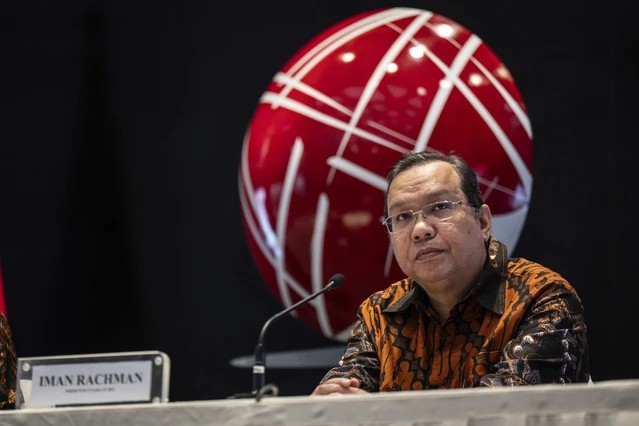
Indonesia’s stock market experienced a sharp decline over two consecutive days, leading to a temporary halt of trading (28/01 and 29/01).
The Indonesia Composite Index (IHSG) fell significantly, with intraday losses on Wednesday (28/01) exceeding 8 percent. BEI applied a 30-minute trading halt to reduce extreme volatility and allow investors to assess market conditions.
After trading resumed, selling pressure continued until the market closed. Reuters reported that the two-day decline was among the deepest in Asia during the same period, affecting mainly large-cap stocks.
BEI CEO Iman Rachman Resigns Amid Market Turmoil
Following the market disruption, BEI President Director Iman Rachman resigned from his position on Friday (30/01/2026).
“I, as the President Director of Bursa Efek Indonesia, and as a form of responsibility for what happened in the past two days, resign as President Director of BEI,” he said. He added, “I hope this is the best for the capital market, and that with my resignation, our capital market will improve.”
The resignation came as a response to the intense pressure in the domestic capital market.
MSCI Warning Triggers Investor Concern
The market turbulence followed a warning from MSCI regarding Indonesia’s stock market. Reuters reported that MSCI froze its index rebalancing process and continued evaluating market accessibility and transparency.
This announcement triggered aggressive selling, particularly of stocks favored by foreign investors.
Iman Rachman described the sharp market movement as “panic selling,” emphasizing that investor reactions contributed to the pressure on IHSG.
Foreign Capital Outflow Adds Pressure to Rupiah
The two-day sell-off also caused significant foreign capital outflows, amounting to hundreds of millions of U.S. dollars, according to Reuters.
This contributed to the weakening of the rupiah and worsened investor sentiment. Finance Minister Purbaya Yudhi Sadewa noted that the IHSG still had the potential to reach 10,000. The market closely monitored foreign fund movements as an indicator of confidence in Indonesia’s financial stability.
BEI and OJK Coordinate to Stabilize the Market
In response to the MSCI warning and market volatility, BEI and the Financial Services Authority (OJK) increased coordination.
The institutions communicated with MSCI to explain market conditions and steps being taken to improve transparency, including ownership and free float data.
BEI reaffirmed its commitment to maintain orderly trading and operational continuity. An acting CEO will fill the leadership position temporarily until a permanent appointment is made, ensuring market operations continue smoothly.
PHOTO: BAYU PRATAMA S/ANTARA
This article was created with AI assistance.
We make every effort to ensure the accuracy of our content, some information may be incorrect or outdated. Please let us know of any corrections at [email protected].
Read More