





 Tuesday, 22-09-26








Indonesia is evaluating a WFH policy to reduce fuel consumption as global oil prices climb above US$100 per barrel, surpassing the US$70 benchmark in the 2026 state budget (13/03).
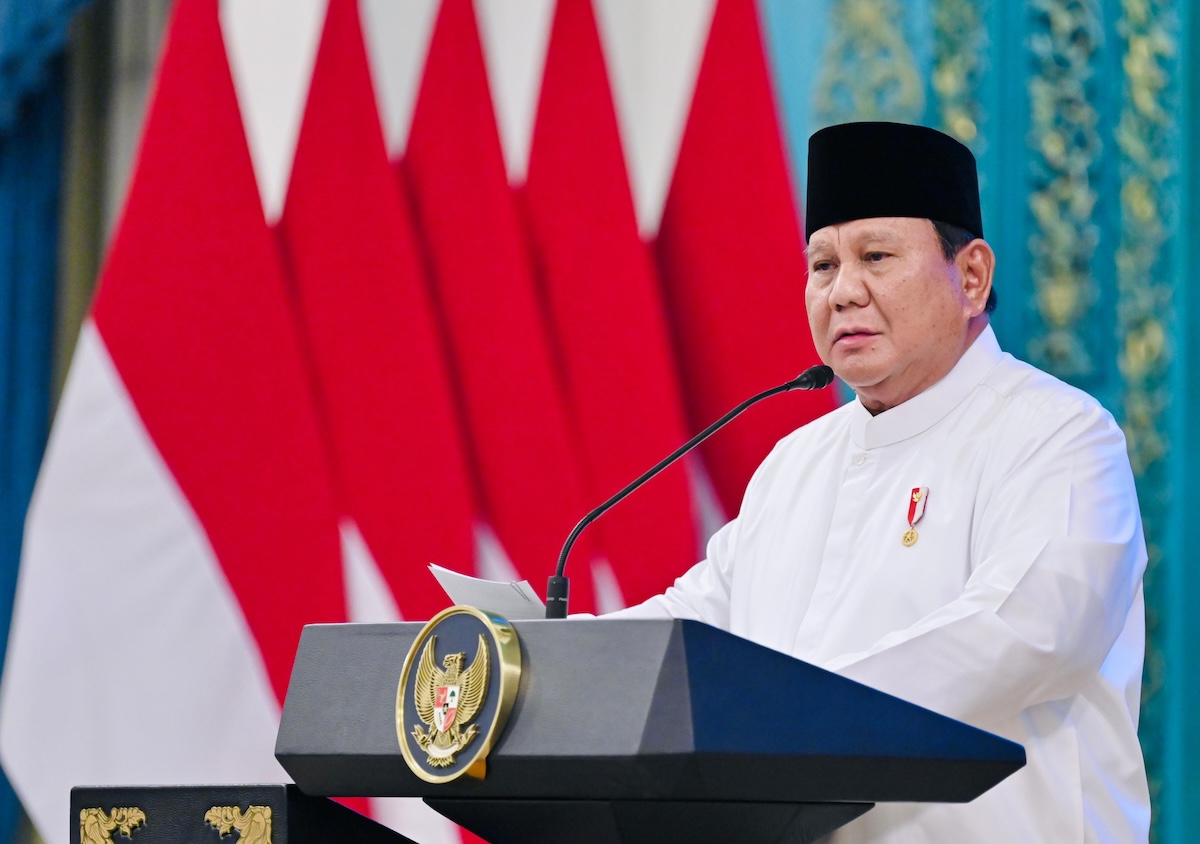
President Prabowo Subianto raised the proposal during a cabinet meeting at the Istana Negara, citing tensions in Europe and the Middle East as factors that could drive energy prices higher. He stressed that rising fuel costs may also affect food prices and urged proactive measures to manage national energy consumption.
Economists Say WFH Policy Is Rational but Limited
Yusuf Rendy Manilet, researcher at the Center of Reform on Economics (CORE), described the plan as a logical first step to reduce fuel use.
“Logically, if mobility decreases, fuel use will also decline,” he said, noting that during the Covid-19 pandemic, when many employees worked from home, national fuel consumption fell.
Yusuf emphasized that the policy mainly targets government operations, while the largest share of fuel consumption comes from the wider public and transportation sectors.
Fiscal and Operational Advantages
Yusuf added that implementing WFH or reducing working days could be done quickly without extra state spending and could even reduce government operational costs.
He suggested that the policy sends a signal of fiscal discipline and could be complemented by cuts to non-essential spending, including official travel, ceremonial events, and high-level allowances.
Risks to Public Services and Economy
The researcher warned that applying WFH too broadly or for too long could slow public services and affect economic activities, especially in areas with limited digital infrastructure.
He stressed that WFH should be part of a larger policy package, not a standalone solution, and be paired with measures showing internal fiscal discipline.
Alternative Measures: Transport Incentives and Wage Subsidies
Bhima Yudhistira, Director of the Center of Economic and Law Studies (Celios), supported WFH as a fuel-saving measure but recommended wage subsidies to compensate for reduced working hours.
He cautioned against restricting fuel purchases at gas stations, which could lead to panic buying and higher inflation.
Bhima suggested incentives like near-free public transport fares and improved cycling lanes to reduce private vehicle use. He also urged the government to release stimulus measures quickly by reallocating non-priority budget spending to maintain household purchasing power.
PHOTO: OFFICE OF THE PRESIDENTIAL STAFF
This article was created with AI assistance.
We make every effort to ensure the accuracy of our content, some information may be incorrect or outdated. Please let us know of any corrections at [email protected].
Read More